Flu Season Hits UAE School Year
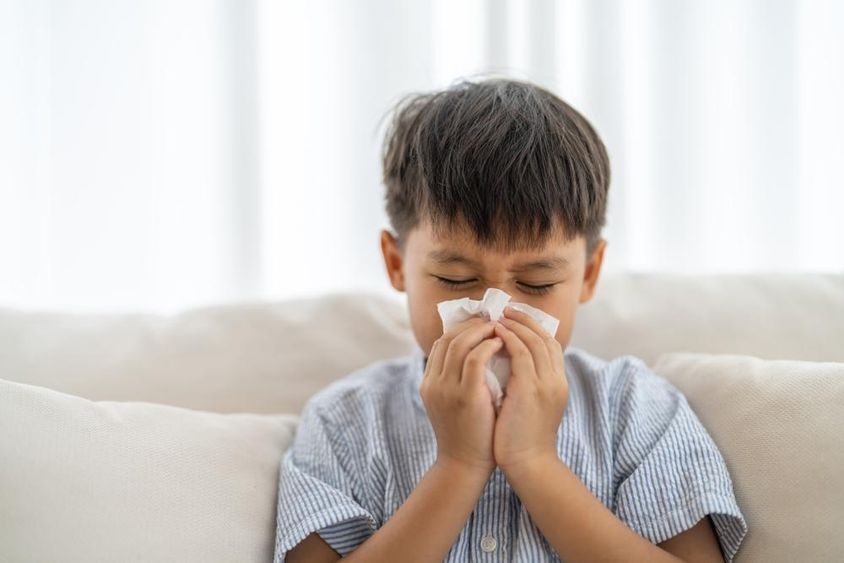
School Start in the UAE: Why It's Flu and Cold Season?
As the new year begins, school buses fill up again in the United Arab Emirates, classrooms buzz with activity, and parents often face the same concern: why do children immediately get sick when they return to school? The answer isn't new, but it becomes relevant every year - the number of flu and cold cases significantly spikes following the start of the school year.
In the Shadow of Seasonal Illnesses
Doctors in the UAE have observed this pattern for years: respiratory infections increase in January, right after the winter break. This is primarily because the reopening of schools, close contact, enclosed spaces, and the still-developing immune systems of children create an ideal environment for virus spread.
According to local pediatricians, this year is no different: illnesses don't start on the first day, but a sudden increase is observed a few days or weeks after school begins. Children often return to classes having been exposed to various viruses during travel or social events, which then rapidly spread in school.
Why January?
The answer is complex. The winter season, even though it does not involve snow and frost in the UAE, favors the survival and spread of viruses. Air-conditioned enclosed spaces, less frequent ventilation, and close physical contact in a school setting collectively facilitate the transmission of infections.
Additionally, a significant factor is the sudden change in daily routine. During vacation, children wake up later, lead a more relaxed lifestyle, and have less contact with other children, before suddenly returning to a structured schedule, requiring early rising, concentration, and being in a community all day. This transition itself strains the body and lowers resistance.
Symptoms and the School Community
Typical symptoms include fever, cough, sneezing, sore throat, headache - the classic flu complaints. Many cases fortunately have a mild course, but if a child goes to school while sick, they can quickly spread the infection to classmates, teachers, or even family members at home.
Doctors therefore emphasize the importance of prevention and responsible parenting. Even a mild cold can quickly reach epidemic proportions if parents do not take signs seriously and send their sick children to school.
Prevention and Awareness
One of the most effective methods of prevention is the seasonal flu vaccination. Pediatricians suggest it is especially recommended before school starts, as it significantly reduces the chance of infection and the risk of complications. Although the flu vaccine does not protect against all respiratory viruses, it strengthens the immune system and mitigates symptoms if the child does get sick.
Attention to hygiene habits is also crucial. Frequent and thorough handwashing, proper coughing and sneezing etiquette (such as coughing into the elbow), and avoiding touching the face are all practices that should be taught at a young age. Parents should talk about these regularly with their children and consistently enforce these rules both at home and school.
When to Keep the Child Home?
This is one of the most common questions from parents. Doctors agree that even in the case of a mild fever or persistent cough, it is worth keeping the child at home. Not only for their own recovery, but also to protect others. A restful day at home, with proper fluid intake and sleep, can be much more effective than sending the child to school with fever-reducing medication, potentially leading to repeated relapses.
The Parents' Role is Crucial
Prevention is not only the responsibility of schools - parents have a decisive role. A health-conscious environment at home, adequate sleep time, balanced nutrition, and regular physical activity all contribute to strengthening the child's immune system.
Many forget that after a long winter break, children's ability to adapt may decrease, which is why it is particularly important to gradually return to the previous routine. It is advisable to start transitioning to early bedtimes and waking a few days before school starts so the body does not suffer from sudden change.
Summary: Sensible Precautions are Key
Although the January flu wave reoccurs every year, a conscious parental approach, proper prevention, and developing children's health habits can significantly reduce community illnesses. School start does not have to automatically mean a surge of illnesses - if we act in time, major epidemics can be avoided, and the school year can start more smoothly. In Dubai, where climate and community specifics present unique challenges, precaution and parental responsibility are particularly important.
(Source of the article: Based on the statements of Dubai pediatricians.)
If you find any errors on this page, please let us know via email.


