Flight Prices in India: A New Era Begins
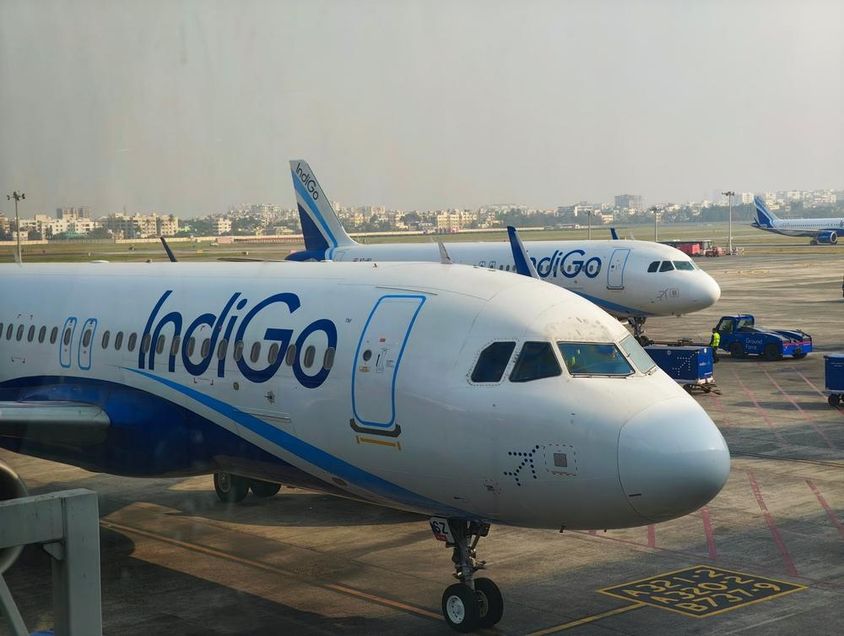
Unleashing India's Domestic Flight Ticket Prices: A New Era in Aviation
The Indian government's decision to lift the previously imposed fare cap on domestic flight tickets is a clear signal that the market is returning to normal operations. The measure not only provides relief for airlines but also reflects the stabilization of the entire sector. However, complex economic and geopolitical processes are at play in the background, with effects extending beyond India's borders and impacting key regions such as Dubai.
The crisis situation and the introduction of the fare cap
The fare limitation was introduced during a turbulent period when mass flight cancellations had disrupted India's domestic aviation. The sudden loss of capacity led to a rapid increase in prices, which the authorities tried to control. The goal was clear: to protect passengers from drastic price hikes and stabilize the market in a time when predictability was crucial.
In the short term, this step worked. Prices became more predictable for passengers, and panic-driven price spikes were avoided. However, from the airlines' perspective, mounting pressure emerged, especially due to rising operational costs.
Rising costs and airline burdens
Fuel is one of the largest cost factors in the aviation industry, and its price has risen significantly in recent times. Geopolitical tensions, particularly conflicts in the Middle East, have had a direct impact on global oil markets. This has immediately affected the cost structures of airlines.
However, the fare cap prevented these increasing costs from being fully passed on to passengers. Consequently, airlines' revenues decreased while their expenses continued to rise. This created an unsustainable situation in the long term, putting increasing pressure on decision-makers to lift the measure.
Stabilization of the market
The latest decision is backed by the fact that the market’s operation has now normalized. Capacities that were previously lost have returned, flight numbers have increased again, and operations have become more predictable. This allowed the authorities to step back from direct price regulation.
Stabilization did not happen overnight. It is the result of a longer process during which airlines adapted to new circumstances, optimized their operations, and gradually restored their networks. Lifting the fare cap marks the conclusion of this process.
What does this mean for passengers?
In the short term, lifting the fare cap may result in greater price fluctuations. Supply and demand will again shape ticket prices freely, potentially leading to price increases during peak periods. However, lower demand might also bring more favorable prices, particularly with intensified competition.
For passengers, this means that the timing of ticket purchase becomes a crucial factor once again. Flexible planning and pre-booking will play a larger role than during the fare cap period.
Impacts on international relations and Dubai's role
India’s aviation market is closely linked to international networks, particularly towards the Middle East. Dubai plays a prominent role here as a global transit hub. The stabilization of the Indian domestic market may indirectly strengthen international traffic, as reliable domestic connections are crucial for longer journeys.
Liberalization of ticket prices also provides airlines with the opportunity to shape their international strategies more flexibly. This could, in the longer term, increase traffic towards Dubai, especially among transfer passengers.
A new direction in regulation
While the fare cap is lifted, the authorities do not completely withdraw from market oversight. The new direction focuses more on setting frameworks and ensuring fair operations. Airlines will still need to ensure that their prices are transparent, justified, and do not harm passengers' interests.
This approach seeks to balance free-market operations with consumer protection. The goal is not direct price regulation, but maintaining the healthy functioning of the market.
Summary: a return to market fundamentals
The lifting of India's domestic flight ticket prices is an important milestone for the aviation industry. The decision demonstrates that the market was able to adapt to challenges and return to a more stable operational path.
However, the new situation also brings new challenges. Price fluctuations, uncertainty in fuel costs, and geopolitical factors continue to play a decisive role. Flexibility and adaptability will be important for both airlines and passengers.
The coming period will show how complete liberalization will affect competition, price trends, and global aviation connections. One thing is certain: the market is beginning to operate again according to its own rules, and this may open up new opportunities in the long term—not only in India but also for international hubs such as Dubai.
If you find any errors on this page, please let us know via email.


