Etihad Flights Grounded by Weather
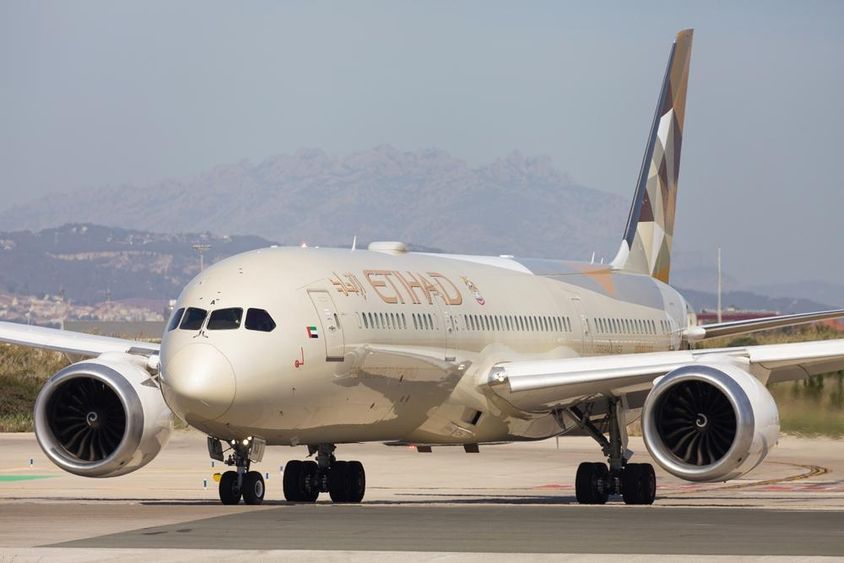
Etihad Flight Cancellations: Weather Disrupts Routes to Pakistan
Travel can be one of the greatest joys in life, but sometimes the weather has other plans. This was the case in mid-January when Etihad Airways, the national airline of Abu Dhabi, was forced to cancel or delay several flights to Pakistan, primarily affecting routes to and from Lahore. The incident highlighted the vulnerability of international air routes to weather disruptions and the measures airlines take to safeguard passengers.
What exactly happened?
According to Etihad Airways, flight EY284 from Abu Dhabi Zayed International Airport (AUH) to Lahore (Allama Iqbal International Airport – LHE) scheduled for January 16 was canceled. This was followed by the cancellation of the return flight, EY285, which was supposed to return from Lahore to Abu Dhabi on January 17. Additional delays occurred the previous day as well, with poor weather in Lahore on January 15 already disrupting the schedule.
A statement on the Etihad website emphasized that passenger safety and crew protection are paramount, and all decisions were made with these priorities in mind. The airline apologized for the inconvenience caused to travel plans and assured affected passengers that they are doing everything possible to provide appropriate alternatives.
Passenger communication and assistance
In today's digital age, airlines not only have the task of transporting passengers from point A to point B but also need to react quickly to any arising challenges and communicate with those affected. Etihad urged passengers to check and update their contact information on the website to ensure they can receive timely updates via SMS or email about any changes.
Passengers have access to Etihad's customer service, including local phone numbers, live chat functions, and social media channels. For quick assistance, it's recommended that those directly impacted by flight cancellations seek help through these platforms.
The role of weather risks in aviation
Pakistan, especially around Lahore, is known for foggy, rainy, and windy weather during certain times of the year. These conditions present significant challenges for aviation: poor visibility, slippery runways, gusts of wind, and other meteorological factors often make flying impossible or risky. Modern aircraft and airports have advanced significantly over the years, but safety remains paramount. When risks are too high, canceling flights is the most responsible decision.
This recent incident underscores the importance of prevention for airlines: instead of risking passengers' lives and crew safety, they opt to make tough but necessary decisions in a timely manner.
What happens to passengers in the event of a flight cancellation?
These situations are always challenging for passengers, especially if they were traveling for urgent family, business, or health reasons. Passengers may be entitled to rebooking, refunds, or other compensation, depending on the ticket type and airline policy.
According to Etihad's practice, they strive to provide alternative flights, even involving partner airlines, or offer the possibility for passengers to choose the next suitable time for themselves. It's important for passengers to follow official communications and actively participate in rescheduling.
Lessons for travelers
This incident offers several lessons for travelers, particularly those who frequently travel between the UAE and Pakistan.
Always maintain up-to-date communication with the airline. For the quickest updates, ensure your email and phone number are accurate.
Consider choosing flexible tickets if your destination is prone to weather risks.
Plan some leeway in your post-travel arrangements, especially in winter months when flight delays are common.
Consider purchasing travel insurance, which may cover cancellations or extended delays.
Final thoughts
The flight cancellations and delays announced by Etihad Airways once again highlight that aviation, no matter how advanced, remains sensitive to natural conditions. The responsible decisions by the airline, along with proper passenger communication and management, are crucial steps to minimize traveler inconveniences.
Similar events cannot be ruled out in the future, but collaboration, open communication, and flexibility can greatly assist in handling these situations more smoothly. Etihad's current measures demonstrate that the company continues to prioritize passenger safety and comfort—even when it requires making painful decisions.
(Based on the announcement by Etihad Airways.)
If you find any errors on this page, please let us know via email.


