Essential Hiking Tips for UAE Adventurers
Responsible Hiking in the UAE Mountains: What Every Beginner Should Know
Mountain hiking is becoming an increasingly popular pastime in the United Arab Emirates, especially during the cooler months when the natural environment becomes inviting for those wishing to escape the urban hustle. However, seasoned adventurers and health professionals alike warn that most accidents are not mere coincidences but occur due to unpreparedness, overconfidence, and lack of precaution. Safe hiking doesn't begin at the foot of the mountain—it starts weeks earlier, before packing the backpack.
The Basics of Hiking: Physical and Mental Preparedness
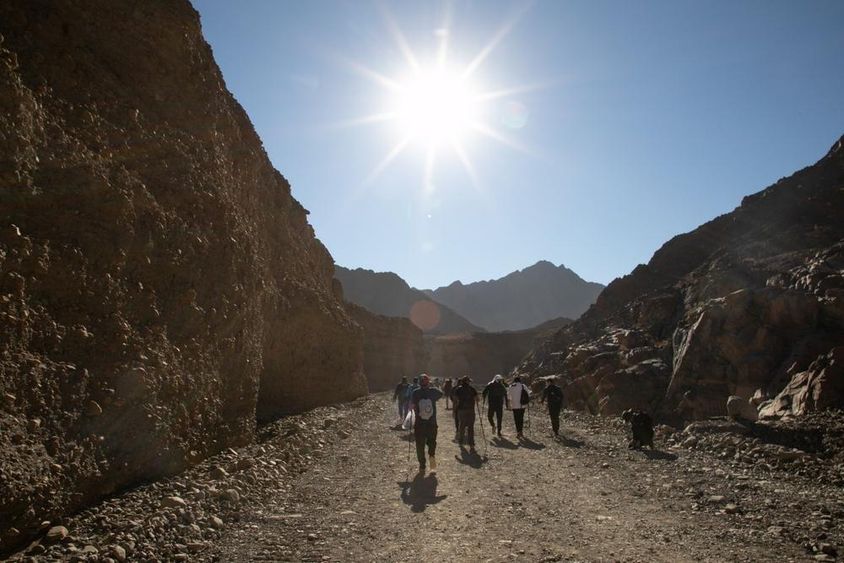
The key to a successful hike lies in physical and mental conditions. For those who have never been on mountainous terrain, it's particularly important to be aware of their own limitations. In the UAE mountains—such as those around Hatta, Ras Al Khaimah, or Fujairah—the terrain is often rocky, hilly, and the weather can change rapidly. Beginners should build up their endurance gradually: regular walking, jogging, and acclimatization to the heat can aid in this. For those who don’t exercise regularly, even the first few hundred meters can reveal that the hike is too much to handle.
Mental preparedness is also crucial. Nature, as captivating as it may be, can be unpredictable—especially in mountains, where a single misstep can cause trouble. Hikers must be capable of calmly reacting to unexpected situations: getting lost, exhaustion, or sudden weather changes.
Proper Equipment Can Save Lives
Many make the mistake of thinking that "sneakers will do" when heading to the mountains. This can be fatal. Moving on mountain terrain requires sturdy shoes, soles that offer good traction, and ankle support. Hiking poles provide extra stability, especially on steep slopes or rocky sections. The right backpack is essential, not only to carry gear but also to remain comfortable over longer distances.
One of the most important pieces of equipment is enough water—at least 2-3 liters—especially in the hot and dry climate of the UAE. In addition, energy-rich, easily digestible foods such as protein bars or nuts are necessary. Also, a headlamp or flashlight, a first-aid kit, a fully charged mobile phone, a power bank, and basic navigation tools should be brought along. If the hike is longer or darkness catches us by surprise, we could easily run into trouble without these.
Never Hike Alone
One of the most common and dangerous mistakes is hiking alone. Even seasoned adventurers can find themselves in life-threatening situations without assistance. It’s always a good idea to share the hike’s route and duration with someone—be it a family member, friend, or authority. In the event of a search, such information can be lifesaving.
Hiking partners can not only help in case of trouble but also provide moral support, which is particularly important in times of fatigue or uncertainty. The rules of group hiking include adapting to the pace of the weakest member, and leaving no one behind.
The Unpredictability of Weather
In the UAE mountains, the biggest danger often comes from rain. While sunny weather is typical, heavy rains can quickly turn dry valleys into scenes of flooding. These so-called flash floods can strike in mere minutes, and can occur even if it’s not raining where you are hiking. Rain from higher surrounding areas can reach the valleys, flooding them inexorably and unexpectedly.
Always check the forecasts before hiking, and if the weather is uncertain, it’s better to postpone the hike. Nature’s power must be respected and not underestimated.
Medical Risks – Often Overlooked
Medical incidents associated with hiking are not limited to ankle sprains or bruises. Heat, dehydration, salt deficiency, low blood sugar, or internal issues resulting from overexertion are also common. First-time hikers often experience muscle cramps, dizziness, nausea—signs from the body that something is wrong.
If a hiker is not aware of their condition or ignores warning signs, the situation can quickly worsen. Those with asthma, heart issues, or diabetes should be especially careful and never set out without medical approval.
Hiking is not a competition—but a connection with nature
The most important takeaway: hiking isn’t about performance, but the experience and connecting with nature. Turning back is not defeat—it’s a wise decision. Caution, awareness, and responsibility are what truly make hiking an enjoyable experience. No adventure is worth risking your life.
Anyone heading to the UAE mountains, whether it be Fujairah, Ras Al Khaimah, or another location, should make every step purposeful, and every decision informed. Nature is beautiful, but it remains so only if we approach it with respect and responsibility.
Final Thought
The mountains of the United Arab Emirates offer magical locations for relaxation, rejuvenation, and self-discovery. But it will only be a truly uplifting experience if we bring common sense, humility, and preparation. Let hiking be a memorable experience—not a tragedy born of negligence.
(The article is based on advice from experienced hikers.)
If you find any errors on this page, please let us know via email.


