Emirates Flight Diverts, Lands Safely in Emergency
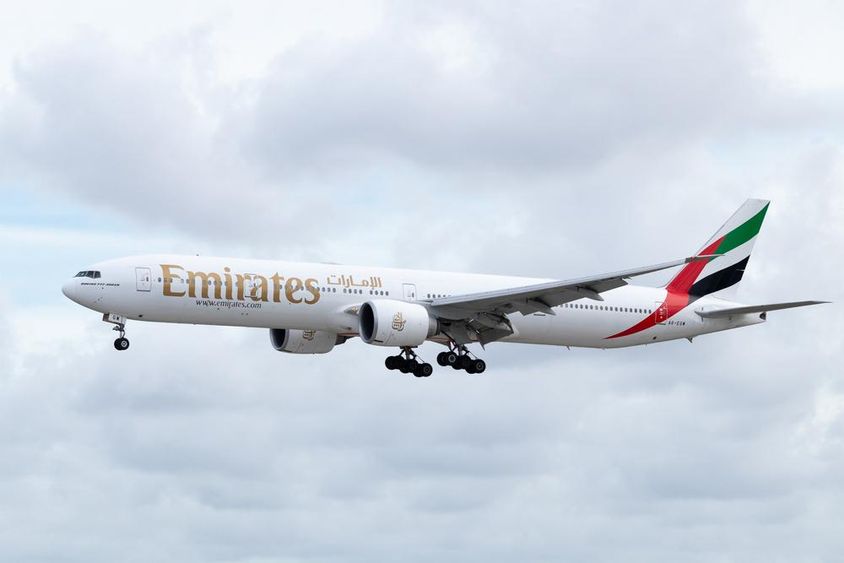
Air Emergency: Emirates Flight from Dubai Makes Emergency Landing in Edinburgh
On January 27, 2026, a scheduled Emirates flight, which departed from Dubai bound for Newcastle, was forced to deviate from its original route and declare an emergency mid-air. The Boeing 777 aircraft eventually landed at Edinburgh Airport after adverse weather conditions in England became hazardous. The incident highlights the complexity and dangers of air travel, even for an airline operating one of the world's most advanced fleets.
Flight Departure and Planned Route
EK35 departed from Dubai International Airport at 13:53 local time and was supposed to arrive at Newcastle Airport in the northeast part of the United Kingdom. The flight's arrival was scheduled for 11:20, and the route seemed routine until North England where weather conditions suddenly worsened.
Stormy Skies: Storm Chandra and the Dangerous Approach
As the aircraft approached Newcastle, Storm Chandra, raging over the United Kingdom, posed a significant obstacle to safe landing. The storm brought intense rain, dense fog, and crosswinds reaching up to 60 miles/hour (approximately 96 km/h), making the final approach particularly challenging.
The pilots attempted to land twice at Newcastle Airport, but both times they had to execute a go-around maneuver. This means they aborted the landing process and started another round in the air, which in itself is a warning sign.
Squawk 7700 – What Does it Mean When a Pilot Squawks?
The emergency became official when the pilots activated the "squawk 7700" code used in international air navigation. This is a four-digit number sent by the aircraft's transponder to control centers. The 7700 code indicates a general emergency and automatically grants the affected aircraft priority with air traffic control and activates ground standby units to prepare for a potential emergency landing.
This is not merely a technical operation; it signals the entire aviation system that the flight is in an extraordinary situation and may require immediate assistance.
Why Edinburgh?
Many may wonder why destinations like Manchester or other nearby airports weren't chosen. The reason is simple: the storm was most severe in Northeast England, and controllers, along with the airline's decision-makers, determined that Edinburgh Airport offered better and safer weather conditions for landing. The Boeing 777 circled over North England near Newcastle and Sunderland before turning north and safely landing in Scotland's capital.
Passenger and Crew Safety First
Emirates confirmed in a statement that flight EK35 was indeed diverted due to adverse weather. They highlighted: "The safety of our passengers and crew is paramount under all circumstances, and we make no concessions on that."
The aircraft crew followed the prescribed protocol, and the flight concluded smoothly, even if it did not reach its originally intended destination.
Technology and Human Decision Working Together in the Air
This incident is a good example of how modern technology and experienced human factors work together to ensure aviation safety. Along with transponder communication, forecasts, and controller work, the pilots' quick decision-making ability was crucial. The go-around maneuvers, squawk 7700 signal, and the new route designation are all part of a system protecting passengers.
Lessons for Passengers
Such events always highlight that flying is a complex process dependent on thousands of factors. While it often seems routine, in reality, each flight can face new challenges in the air. This is why it's important for passengers to have confidence in the crew and airline decisions. Emirates' recent incident demonstrates that adherence to proper protocols and proactive measures can help avoid a potentially dangerous situation.
Final Thought
Dubai is not just a hub of luxury and modernity but also an aviation center representing world-class safety standards. Incidents on Emirates flights, rare as they may be, always serve to illustrate the complex decision-making process operating in the background. The EK35 flight case ended fortunately, with all passengers arriving safely—albeit not at the originally planned city.
This is part of the reality that the world of aviation represents: unpredictability, rapid adaptation, and above all, the protection of human life. img_alt: An Emirates Boeing 777-31HER aircraft.
If you find any errors on this page, please let us know via email.


