Eid Boom Transforms Dubai Miracle Garden Operations
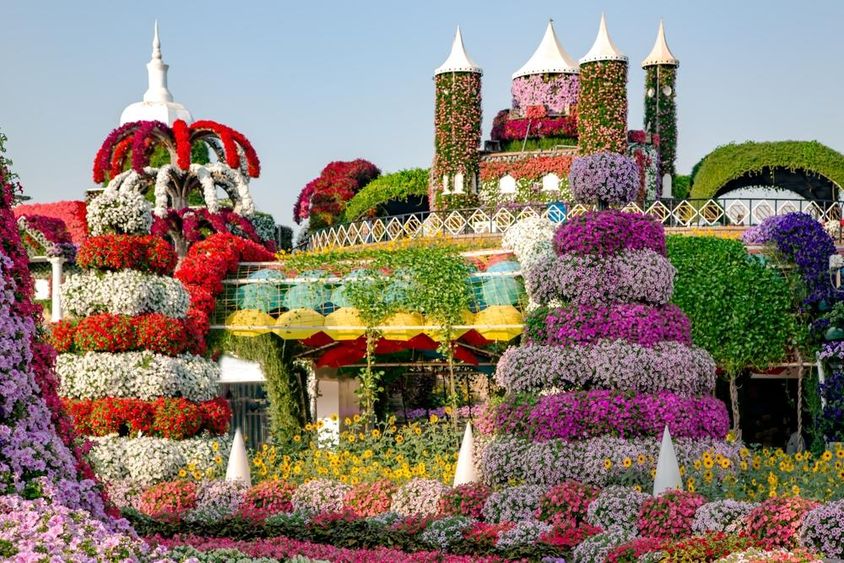
Flower-Filled Crowds: How Eid Transformed Dubai Miracle Garden
The attraction that breaks records every season
Dubai Miracle Garden is one of the most famous and spectacular outdoor attractions in the United Arab Emirates, especially in the city of Dubai. The installations made from millions of flowers, colorful tunnels, and iconic shapes attract crowds of tourists and locals year after year. However, the Eid period brought even greater interest than ever before, posing significant challenges for the operators.
The festive atmosphere, demand for family programs, and pleasant weather resulted in visitor numbers exceeding the peaks of previous seasons. This not only proves the park's popularity but also highlights Dubai's strong touristic and communal appeal.
The impact of free entry: when success becomes too great
In mid-March, as part of an initiative, free entry was offered to local residents. Initially, this seemed like an excellent opportunity, making a premium experience accessible to many families. However, the reality quickly revealed the downside of such actions.
The free access attracted huge crowds in a short time. The number of visitors increased to such an extent that the park's infrastructure struggled to cope. Long queues, crowded walkways, and overloaded services characterized the venue, not only detracting from the visitor experience but also raising safety concerns.
This phenomenon clearly shows how crucial balance is for a popular tourist site: there is a fine line between increasing accessibility and maintaining a high-quality experience.
Temporary closure: when safety comes first
At the start of Eid, the situation escalated to a level where operators had to temporarily close the park gates. This decision might seem drastic at first, but it was clearly made to ensure visitor safety and comfort.
Overcrowding can be not only unpleasant but dangerous. For a park of this size, where families, children, and the elderly are present, controlled entry and adequate space for all visitors are essential.
The decision also indicates that Dubai's tourism stakeholders are thinking long-term: the goal is not to maximize immediate revenue but to ensure sustainable operations and maintain a high standard.
Discounted entry: searching for a new balance
In response to the situation, operators implemented a discounted but paid entry system. Between March 21 and 31, local residents can visit the park at a reduced price of approximately 52.50 dirhams, provided they prove their eligibility.
This step is strategically significant for several reasons. Firstly, it curbs excessive demand, as a paid system acts as a natural filter. Secondly, it still makes the experience accessible for those who genuinely wish to visit the garden.
Free entry for children is a particularly important decision. Those under 12 can still enter free of charge, reinforcing the family-friendly nature and allowing the park to maintain its communal role.
Why was change necessary?
The decisions are clearly based on capacity management. For a popular attraction like this, it's not enough to just increase visitor numbers; the proper experience must also be ensured.
Overcrowding can cause several problems:
walkways become overloaded, reducing the photography and relaxation experience, increasing the risk of accidents, diminishing general comfort levels.
Introducing discounted prices is therefore not a step back, but a conscious move to preserve quality.
Lessons from Dubai's tourism
What has happened goes beyond the operation of a single park. It is clear that Dubai's tourism model continuously adapts to real needs. If an initiative does not bring the desired result, they modify quickly and effectively.
This flexibility is one reason why Dubai is one of the world's most dynamically developing tourism centers. They are not afraid to try new solutions but will step back if necessary to serve visitors' interests.
Rethinking the visitor experience
In the future, controlled visitor numbers and experience quality will likely be even more emphasized. It is conceivable that they will introduce temporary entry systems, advance booking options, or further dynamic pricing.
These measures are not meant to limit but to improve the visitor experience. In a less crowded park, there is more time for exploration, photography, and genuine relaxation.
Summary: when popularity becomes a challenge
The case of Dubai Miracle Garden is a clear example that success is not always simple. While vast interest is a positive sign, it requires appropriate management.
The temporary closure and the introduction of discounted but controlled entry demonstrate that Dubai can respond quickly and maintain quality even in extreme situations.
The story's lesson is clear: the future of tourism is not just about numbers but about the experiences of those who finally enter. And in this respect, Dubai remains one of the strongest players.
If you find any errors on this page, please let us know via email.