Dubai's Smart Transport: Metro and Salik
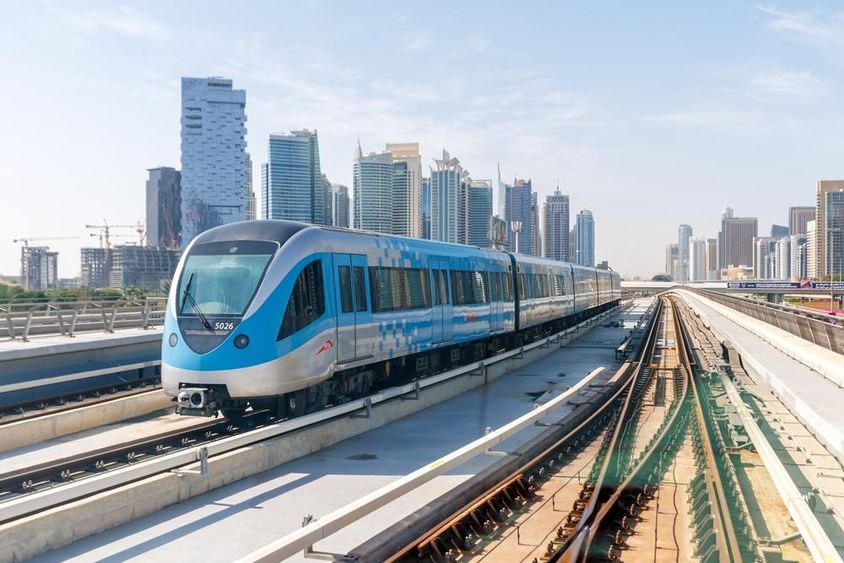
Transportation in Dubai by Metro and Salik – What You Need to Know About Urban Mobility
Dubai's transportation system has undergone immense development over the past decades, aiming for efficient, sustainable, and digitally supported transport in a continuously growing metropolis. The city's population exceeds 3.6 million, and millions of tourists visit each year, placing considerable daily demands on the transportation network. The two most important components of this system are the metro network and the Salik toll system, which together allow residents and visitors to move smoothly throughout the city.
The Dubai Metro: The Backbone of Modern Urban Public Transport
The Dubai Metro is not only the Middle East's first fully automated, driverless metro but also one of the longest such networks worldwide. The Red Line was launched in 2009, followed by the Green Line in 2011. Today, the metro spans over 80 kilometers, connecting major urban hubs, including airports, business districts, shopping centers, and residential areas.
The trains are fully automated, air-conditioned, and exceptionally punctual. The carriages are divided into different classes: Gold Class (premium), Women & Children Class, and Standard Class, allowing everyone to find a comfortable mode of travel.
Stations are clean, modern in design, and platforms are protected by automatic doors, enhancing safety. Using the metro is incredibly straightforward with the Nol card, a pre-loadable transport card. The card can be topped up at any station or RTA machine, and it is usable on other public transportation like buses or water taxis.
Recently, the Red Line was extended with the Route 2020 section, timed for the Expo 2020 event, which connected new residential neighborhoods and commercial centers to the network, making metro transport accessible to more residents on a daily basis.
Salik: The Toll System Aiming to Reduce Traffic
The Salik system is Dubai's electronic toll payment solution, operational since 2007. Its goal is clear: to reduce road congestion and encourage the use of alternative transport modes, such as the metro or buses.
The essence of the Salik system is that motorists automatically pay toll fees when passing through specific points—known as Salik gates. No stop or queue is required: the Salik tag placed on the car's windshield is read by the system, and the fee is automatically deducted from a pre-loaded balance.
Currently, there are more than 10 Salik gates in Dubai at various locations, including along Sheikh Zayed Road, in the Business Bay area, on the Al Maktoum Bridge, and the Al Garhoud Bridge. Alongside new bridge and road network investments, the system is expanding to adapt to ever-growing traffic.
The system's pricing might become dynamic in the near future. While there is currently a flat fee structure (one passage = fixed amount), authorities are exploring the possibility of dynamic pricing, where tolls would be higher during peak hours, further encouraging even distribution of traffic and selection of alternative routes.
How Do the Metro and Salik Complement Each Other?
Dubai's city government consciously builds its transportation strategy to have more people choose public transportation over individual car use. The metro and Salik system perfectly illustrate how to combine incentives (convenient, fast metro) and deterrents (tolls on busy roads) to optimize traffic congestion.
For example, those traveling from the city center to Jebel Ali or the Expo districts may choose to travel by metro, thus avoiding Salik fees. Others, who are compelled to drive, plan their routes more consciously, considering the toll gates.
The combined system helps distribute traffic, reduce air pollution, and make urban life more sustainable in the long run. Revenue from Salik is spent on developing the city's public transport network, so motorists indirectly support community transportation.
Digital Solutions in Users' Hands
The Dubai Roads and Transport Authority (RTA) mobile application makes metro and Salik usage easier for every traveler. The app shows the metro schedule, balance, allows for Nol and Salik account top-ups, and even provides a real-time traffic map. Moreover, new AI-supported route planning tools can suggest the fastest or most economical routes.
In recent years, the RTA has introduced innovative solutions, such as face recognition identification at metro stations or automatic license plate recognition for Salik payment, which makes urban transport even smoother.
Summary
Dubai's transportation system is an excellent example of how to efficiently combine public transport and traffic regulation in a modern, rapidly developing city. The metro offers a comfortable, reliable, and economical choice for daily commuting, while the Salik system encourages more conscious driving. In the future, both systems are expected to further develop, supporting sustainable urban living even more.
(This post was created based on readers' shared experiences and stories.)
If you find any errors on this page, please let us know via email.


