Dubai's Short-Term Rental Revolution
The Future of Short-Term Rentals in Dubai: Gen Z, Longer Stays, and a Quality-Focused Market Until 2026
The city of Dubai attracts travelers from around the world not only with its skyscrapers and luxury lifestyle but also with its rapidly developing short-term rental market, which is becoming increasingly sophisticated, regulated, and demand-oriented. As we approach 2026, it is clear that the growing proportion of Gen Z travelers, the longer stays of European visitors, and the intensification of quality expectations are steering this sector in a new direction in Dubai.
Changes in Demand and Seasonal Effects
The short-term rental market in Dubai shows stability, despite the ongoing uncertainty characterizing the global economy. According to Property Finder data, by November 2025, the average daily rental fee rose to 780 dirhams, compared to 670 dirhams in the same period in 2024. Weekly rates also increased, reaching 5,000 dirhams, up from the previous year's 4,500 dirhams, while monthly prices remained relatively stable around 16,000 dirhams.
This price increase is mainly due to the seasonal demand observed in the winter months, when demand can grow two and a half to three times compared to the summer period. Therefore, the market responds well to seasonal needs and shapes its pricing strategy accordingly.
Gen Z: A New Generation Shaping Trends
One of the most defining changes in the short-term rental sector is the rapidly increasing proportion of Gen Z travelers. In 2025, Frank Porter data registered a 25% increase in this age group compared to the previous year, and the trend is expected to accelerate further in 2026.
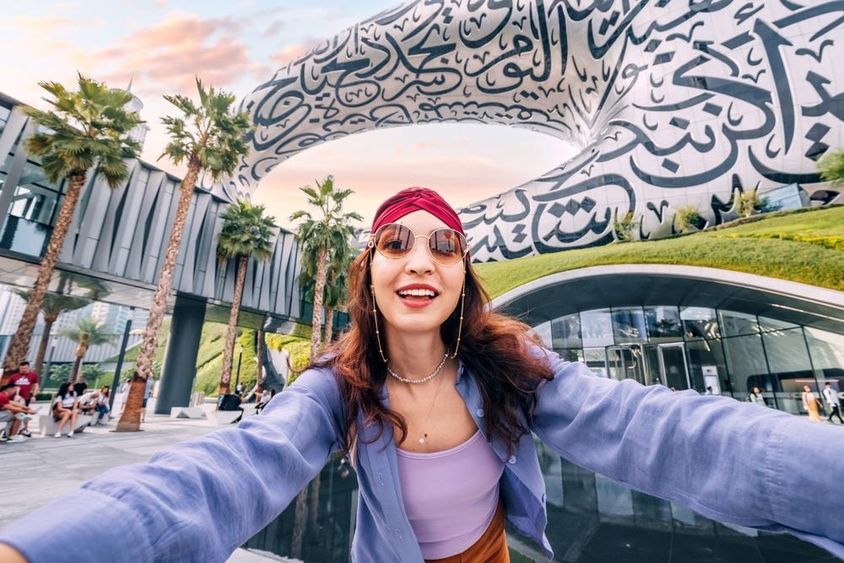
This generation actively uses social media and prefers accommodations that "look good on Instagram." Unique designs, interesting views, and extras like special coffee makers, smart devices, or rooftop pools are important for them.
However, this age group is also price-sensitive: they prefer accommodation options that offer discounts, promotions, or packages for longer stays. Concurrently, an increasing number seek outstanding value-for-money opportunities, opting for well-equipped properties rather than the most expensive ones.
European Travelers are Staying Longer Too
The behavior of European visitors, not just that of the younger generation, has also changed. The average length of bookings increased to nearly 10 days in 2025, a significant shift compared to the usual 5-7 day stays. This change results from several factors: better weather, favorable prices, easy accessibility, and the fact that more people are taking advantage of the lifestyle and business opportunities Dubai offers.
The Importance of Quality and Licensing
Amid the changes impacting the market, the city of Dubai and industry players strive to make quality the primary competitive factor. In the past year, several unlicensed accommodations were removed from major platforms, allowing travelers to feel safe choosing officially licensed properties.
The Dubai Ministry of Economy and Tourism is actively cracking down on illegal providers, further enhancing the professionalism of the market. This regulation benefits not only guests but also honest market players, creating a more predictable and transparent operating environment.
Competition and the Role of Location
Traditional, popular districts like Business Bay, Dubai Marina, or Jumeirah Village Circle remain in demand, yet newer districts like Meydan are becoming increasingly attractive. The appeal stems from lower rental fees, new infrastructure developments, and the rapid expansion of services (malls, restaurants, clinics).
But, the location isn't everything. The most important factors affecting demand and prices remain the property itself: its condition, furnishings, and the extra services it offers. A tastefully furnished, well-photographable apartment often holds more value than a dull one located in a better area.
Outlook Until 2026
As we move towards 2026, industry participants believe that price stability will persist while guest expectations continue to evolve. Travelers are becoming more conscious in their choices and expect clean, well-equipped, easily accessible, and digitally manageable accommodations.
International regulatory tightening (such as in Spain) does not concern Dubai operators, as the local regulatory environment is already transparent, structured, and guest-friendly. If regulations genuinely support quality, they will strengthen the market's stability and credibility in the long run.
Summary
By 2026, Dubai's short-term rental market is clearly heading towards a refined, consciously regulated, and guest-centered model. The impact of Gen Z travelers, the longer stays, the prioritization of quality, and the development of new districts all indicate that the sector is not only responding to changes but also shaping them. Property owners and service providers who adapt to this trend in time can gain significant market advantages in the coming years.
(Source: Based on data from the Dubai short-term rental (STR) market.)
If you find any errors on this page, please let us know via email.


