Dubai's Ride-Sharing Trends: Airports and Malls
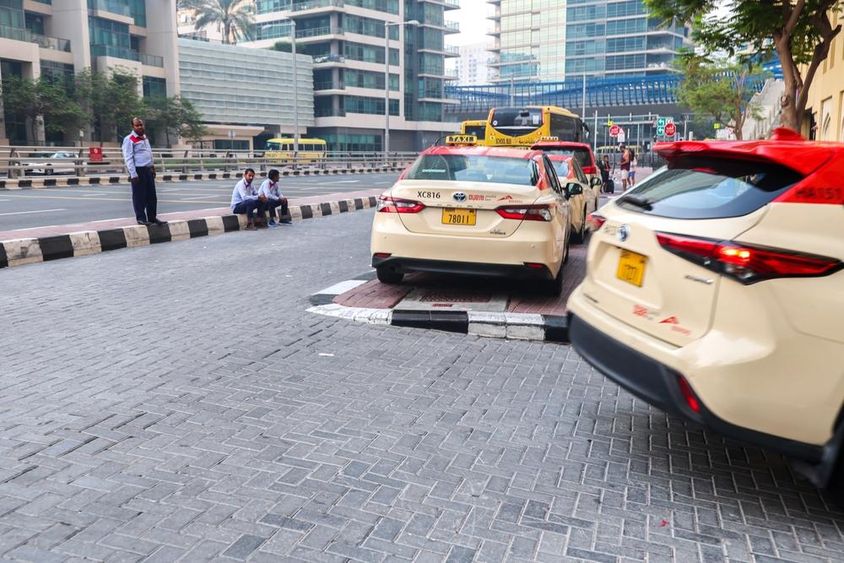
Dubai: Airports and Shopping Malls Lead Ride-sharing Stats in 2025
Examining the transportation patterns of 2025, it is evident that ride-sharing services have become an integral part of urban life, not just an alternative mode of transport. In the United Arab Emirates, particularly in Dubai and Abu Dhabi, airport transfers and shopping mall trips topped the ride-sharing destinations, surpassing numerous other travel spots.
Urban Mobility: Airport and Mall Rides Dominate
According to a Yango Ride report, Zayed International and Dubai International airports, along with popular shopping and entertainment venues – including Yas Mall and Dubai Mall – were the most frequent ride destinations in 2025. This clearly indicates that both city residents and tourists frequently choose these destinations, reflecting the rhythm of the city's life through associated transportation needs.
Airport transport plays a crucial role in a region where business trips, international events, and constant passenger traffic are commonplace. Travels to malls are not just about shopping but also serve as social, dining, and entertainment hubs where locals and tourists meet.
Affordable, Not Luxurious – The Rise of Mid-tier Vehicles
An interesting fact is that in the MENA region, the vast majority of passengers choose "economy" class cars over premium services. This is particularly true in cities like Dubai or Abu Dhabi, where the transportation infrastructure is advanced, but speed, reliability, and cost-effectiveness are decisive factors in daily routines.
The most popular vehicles include mid-range sedans like the Toyota Camry. For passengers, luxury is not the main consideration; instead, comfort, predictable pricing, and vehicle availability are prioritized.
Solo traveling businesspersons, busy parents, or daily commuters often see no value in premium services if the goal is simply efficient and comfortable travel. "Economy" class rides enable quick decision-making and typically entail shorter wait times, especially when the city is well-connected with ride-sharing services.
Ride-sharing is No Longer Luxury – It Became Routine
The average wait time for ride orders in Abu Dhabi remained under six minutes, indicating that these services have become part of the daily routine rather than an occasional convenience.
Thus, ride-sharing is not just a privilege for tourists or elite travelers but a natural part of daily life for commuters, students, parents, and even retirees. Constant availability and lower prices have allowed this form of transportation to function as a genuine urban infrastructure.
The Role of Artificial Intelligence in Transportation
By the fourth quarter of 2025, there was a significant increase in the use of AI assistants like Yango Yasmina. Users interacted with the application an average of 22 times a day, with this number reaching up to 44 on busier days.
This suggests that artificial intelligence is no longer just an occasional tool but an indispensable part of daily decision-making and urban navigation. The most common language within the app was Arabic, highlighting the importance of localized development in the Arab world.
Artificial intelligence helps speed up ride bookings; for example, when someone just says, "Book a taxi to downtown at 18:00", the AI not only understands this but also compares prices, recommends routes, and even shows the best pick-up point.
Localization and Language Accessibility
Speech recognition and language interfaces are crucial for user experience. Localized (e.g., Arabic) interfaces significantly increase user satisfaction and sense of security by reducing the possibility of errors and better aligning the service with the cultural context.
Navigating the digital realm in one's native language presents a significant advantage, especially for those who don't speak English or aren't tech-savvy. Language accessibility is thus not just a matter of convenience but an equality factor in accessing services.
Summary
Urban mobility in Dubai and Abu Dhabi in 2025 underwent a transformation shaped by technology, ride-sharing, and daily needs. The most popular destinations – airports, shopping malls – are not only tourism spots but centers of urban life.
Affordable, fast, and reliable rides, AI-based route planning, language localization, and low wait times collectively demonstrate that the future of transportation doesn't necessarily point towards more expensive or exclusive directions but rather towards functionality and accessibility.
Dubai again provides an example of where technology is not just for its own sake but becomes an integrated, efficient part of urban life, supporting our everyday decisions, whether it's about work, family matters, or simple everyday shopping.
(Source: Information from Yango Ride.)
If you find any errors on this page, please let us know via email.


