Dubai's BlueChip: The $400 Million Mystery
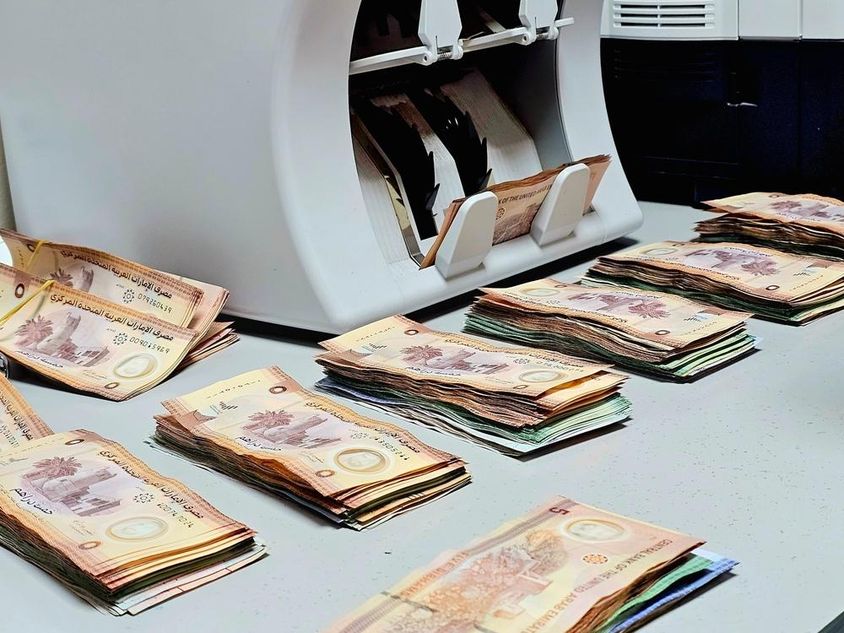
Dubai BlueChip Scandal: How 400 Million Dirhams Vanished Without a Trace?
Recently, one of the most significant financial frauds of recent times has reached another milestone, putting Dubai in a central role. The investment program named BlueChip lured clients with tempting yield promises, only to collapse abruptly, leaving behind disappointed investors, empty offices, and billion-dirham losses. It is estimated that the damage amounts to 400 million dirhams, and the investigation is increasingly international, involving authorities from both Dubai and India.
A Suspiciously Quick Collapse
The BlueChip company was seen by many as the path to financial independence, especially among expats living in the UAE. The promised 3% monthly return was considered outstanding even in the current economic environment. The company's office in Bur Dubai was filled with customer service staff, colorful presentation materials, and professional marketing. However, all of this came to a sudden end in March 2024 – the offices emptied, phones went silent, and checks bounced. Since then, investors have been seeking answers.
The Involvement of Indian Authorities
A new chapter of the story was written on November 30, when Indian police apprehended the founder of the company, based in Dubai, who had been on the run for 18 months. His capture was linked to a minor clue: a food delivery order. The man has since been held in pretrial detention, and his bail request was denied by the court as authorities requested more time to trace the missing assets.
Chasing Cryptocurrencies and Hawala Systems
During the investigation, the police identified more than ten Indian bank accounts linked to the suspect, all of which have been frozen. However, the trails do not stop at traditional banking systems. Some of the money movements were carried out through cryptocurrency wallets managed by foreign partners, and there were even indications of the use of the hawala system—an informal money transfer network particularly challenging to trace.
According to the Kanpur police, nearly 970 crore Indian rupees (approximately 400 million dirhams) in transactions have been traced so far. These funds were hidden across various accounts and then converted into cryptocurrency. The police emphasized that since these transfers circumvented the official financial system, a national security implication cannot be dismissed.
The Disappointment of Victims in the UAE
Many residents of Dubai, including numerous expats, invested significant amounts in the BlueChip scheme. Some lost their entire savings. One of them, who had invested over two million dirhams, stated: "We're glad they caught him. But it means nothing if the money's whereabouts remain unknown."
Several investors had already expressed their suspicions earlier, especially after an internal spreadsheet came to light, revealing that just 90 people had invested over 17 million dollars (62.4 million dirhams). This made it clear that BlueChip was not a small-scale fraud but a highly organized financial pyramid scheme with international reach.
International Cooperation Needed
The next step is financial forensics, which includes detailed financial investigation, digital money movement mapping, blockchain analysis, and coordination with financial institutions in various countries. According to Indian legal experts, global cooperation is necessary to recover the money. All assets that are directly or indirectly linked to the perpetrator—even through proxies—must be identified and frozen, regardless of their location.
However, this is no easy task. The concealed nature of cryptocurrencies and hawala systems, along with differing regulations across countries, poses serious challenges. Establishing a well-organized international task force could prove essential.
What Lies Ahead?
Authorities continue their investigation, scrutinizing every financial movement. The goal is not only to hold those responsible accountable but also to compensate the victims as much as possible. The BlueChip case highlights the importance of financial awareness and proper due diligence by investors before diving into any seemingly attractive opportunity.
In recent years, the UAE government has made significant efforts to combat money laundering and fraud, suggesting that the emirate authorities may take on a more active role in future investigations.
Summary
The BlueChip case serves as another warning that the promise of quick riches often leads to fraud. Dubai has not for the first time been thrust into the limelight regarding such issues, but the emirates are increasingly taking firm action against similar financial abuses. For the victims, true reparation will come only if some of the wealth is recovered—and this still promises to be a long and complex process.
(Source of the article: Based on statements from Indian police.)
img_alt: Money counting machine with neatly arranged bundles of Emirati dirham banknotes on a desk.
If you find any errors on this page, please let us know via email.


