Dubai Thrives Amid Middle East Turmoil
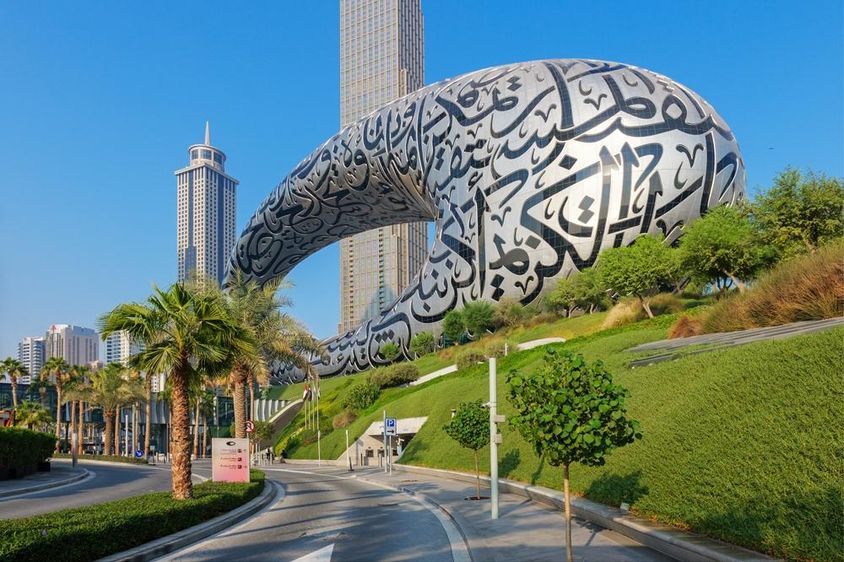
Dubai's Economy Surges Amid Regional Turmoil
In the midst of increasingly complex and often confusing events in world politics, we rarely see an example of a country that can grow confidently despite regional tensions, and not only by relying on the strength of raw materials. The United Arab Emirates – particularly Dubai – is a striking example of how strategic diplomacy, long-term economic policy, and technological openness can elevate a country into an island of stability on the precarious map of the Middle East.
Parallel between Dubai and the 'New Switzerland'
The analogy is not new but is being heard more frequently: financial analysts, including the head of Emirates NBD’s wealth management division, compare Dubai to Switzerland. It is viewed as a state offering stability, neutrality, and safety in the region – much like its European counterpart. All this while not shutting itself off from the outside world, but rather actively participating in global trade, technological partnerships, and financial services.
Compared to Switzerland, the UAE has vastly better attributes – it has access to the sea, oil and gas reserves, solar energy potential, and a beneficial geopolitical position. Still, its greatest strength is diplomatic wisdom, through which the country has clearly indicated during the latest conflicts that it does not permit its territory to be used for military operations, especially not against Iran.
Impact of Geopolitical Tensions
Tensions between the United States and Iran have once again intensified after American and Israeli forces launched attacks on Iranian military targets last year. As a result, airlines in some parts of the Middle East suspended their flights – yet the UAE remained a safe destination for tourists, investors, and businesspeople.
While many countries are concerned about oil prices – particularly in the light of a potential military strike against Iran – Emirates NBD forecasts that oil prices will average around $60 in 2025, which keeps the budget of energy-import-dependent countries manageable while not stifling global economic growth.
Over 5% GDP Growth and $1 Trillion Foreign Trade
Despite contrary rumors and global uncertainty, the economy of the UAE – and within it Dubai – has shown significant expansion over the past year. Real GDP growth exceeded the projected 5%, driven not merely by the oil industry, but by diversified sectors, primarily technology, logistics, tourism, and financial services.
Of particular note is that non-oil foreign trade surpassed the $1 trillion mark in 2025, a historical milestone, indicating that the country's – especially Dubai's – position in global trade is becoming increasingly significant. This is an achievement difficult to attain even during post-pandemic economic recovery, let alone amidst the current challenges in the global economy.
Advantages of Artificial Intelligence and Global Connectivity
Economic forecasts are optimistic about the UAE's future. According to Emirates NBD, although a slight slowdown is expected in non-oil growth in 2026 (decreasing to 4.4% from 4.8% in 2025), this is primarily due to base effects, given the outstanding growth in the post-Covid years.
Artificial intelligence (AI) and digital infrastructure represent a competitive edge for the UAE that makes it unique in the world. Dubai, for instance, is continuously developing its data centers, AI solutions, smart urban systems, and services enhancing user experience. This strategic openness allows the country to not only be a recipient but also a shaper of the fourth industrial revolution.
Outlook: Why Dubai Could Lead the Region Beyond 2026?
The coming years could be decisive for Middle Eastern countries. The UAE – particularly Dubai – may continue to stand out in the region through its economic model built on stability, neutrality, and technological openness. While many countries may get entangled in the web of geopolitical conflicts and economic troughs, Dubai has laid its future on solid foundations through long-term planning, investor-friendly environments, and strategic partnerships.
This exemplary approach also means that whatever turbulence strikes the region – be it disputes between Iran and the USA, energy market shocks, or global recession fears – Dubai is capable of resisting and thriving. Just as Switzerland has prospered for centuries under the banner of neutrality, so too can the UAE rewrite the economic map of the Middle East through peace and pragmatism.
Conclusion
The UAE – especially Dubai – sets an example of how to grow and develop despite geopolitical tensions and become a significant global player. Stability, diplomatic wisdom, a diversified economic structure, and innovative openness are all factors that could further strengthen Dubai's position on the world map by 2026.
If you find any errors on this page, please let us know via email.


