Dubai Targets Majority School Bus Usage
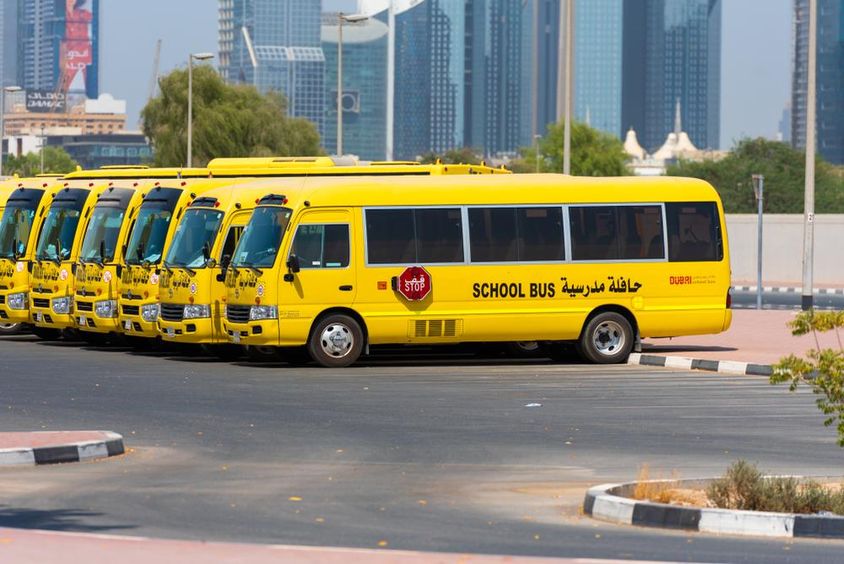
Why Dubai Wants More Schoolchildren on School Buses
The dynamically developing city of Dubai strives not only in infrastructure but also in sustainable transportation. The latest initiative aims for at least 60 percent of Dubai students to use school buses or shared transport services to commute to school within three years. The program is part of a wider strategy aimed at reducing traffic congestion, alleviating parental burdens, and ensuring efficient daily routines and safety for students.
The Goal: 60% Participation Within Three Years
According to the Roads and Transport Authority (RTA), a significant portion of students in city schools currently do not use school buses. This not only burdens traffic but also causes significant time loss during the morning and afternoon peak hours. According to the RTA's planning and business development director, responsible for transportation development, the new efforts aim for at least 60 percent of school-aged children to switch to organized community transport in the next three years.
The first step of the program is a pilot project, launched jointly by the RTA with Yango Group and Urban Express Transport. The service first begins in the Al Barsha district for students aged 14 and older from five different schools. The goal of the shared bus routes is to transport students from their homes to schools with a maximum travel time of 60 minutes, ensuring comfort and a predictable daily routine.
Why Is This Change Necessary?
Dubai, as a rapidly growing city, faces daily challenges with traffic congestion, especially around schools. Parents often drive their children themselves, which is both time-consuming and costly. In morning traffic, most vehicles carry only one or two children, resulting in extremely low efficiency while being burdensome environmentally and economically.
The new bus pool system provides the opportunity for a vehicle to transport multiple school-going students simultaneously within predetermined zones. This reduces traffic and offers a cost-effective solution for parents. According to the RTA, the new system could be 10-15 percent cheaper on average than the current school bus prices, which might encourage switching.
Time Saving and Safety
One of the biggest advantages of the project is reducing travel time. Although exact figures have yet to be released, the primary goal is for students' daily commute to be at least 15-20 percent shorter. Efficient route planning and zones linking multiple schools make this easily achievable, especially if the service can be continuously optimized based on experience.
Safety is also a consideration: The RTA and partners are deploying the latest technologies to allow parents to track their children’s travels. This could include live GPS tracking, app notifications, and a monitored fleet of drivers and vehicles. The aim is for parents to keep their children safe without having to drive each morning and afternoon.
Pilot Phase: Al Barsha and Next Steps
The pilot project currently operates in the Al Barsha district, with participating schools like Bloom Academy, Brighton College, GEMS Founders School, GEMS Al Barsha National School, and the American School of Dubai. These schools provide ideal locations for testing the system, as they serve students from diverse backgrounds and are relatively close to each other.
During the test period, the service will be continuously evaluated, and adjustments are expected based on feedback before expanding to other parts of the city.
The Future of Public Transport in Dubai
This new initiative fits well within Dubai's long-term transportation development strategy aimed at creating a more sustainable, efficient, and environmentally friendly urban transport system. Several other RTA projects—such as autonomous vehicles, metro network expansion, and development of smart transportation systems—point in the same direction: a future within Dubai where shared, automated, and intelligent transport reigns.
The school bus pool program is thus not just a logistical solution but part of a broader societal shift. Transporting students in shared vehicles reduces emissions, lowers accident risks, and provides direct benefits to families through time-saving and cost advantages.
Summary
Dubai's ambition to have the majority of students use school buses or shared transport within three years is not only ambitious but also well thought out. With pilot programs, modern technological solutions, and parent-focused pricing, the city leadership is moving towards a future where sustainability, safety, and efficiency go hand in hand. And if the current pilot proves successful, shared travel could become the new norm in every Dubai school within a few years.
(Source: Based on a statement from Roads and Transport Authority (RTA).)
If you find any errors on this page, please let us know via email.


