Dubai Takes Public Transport to New Heights
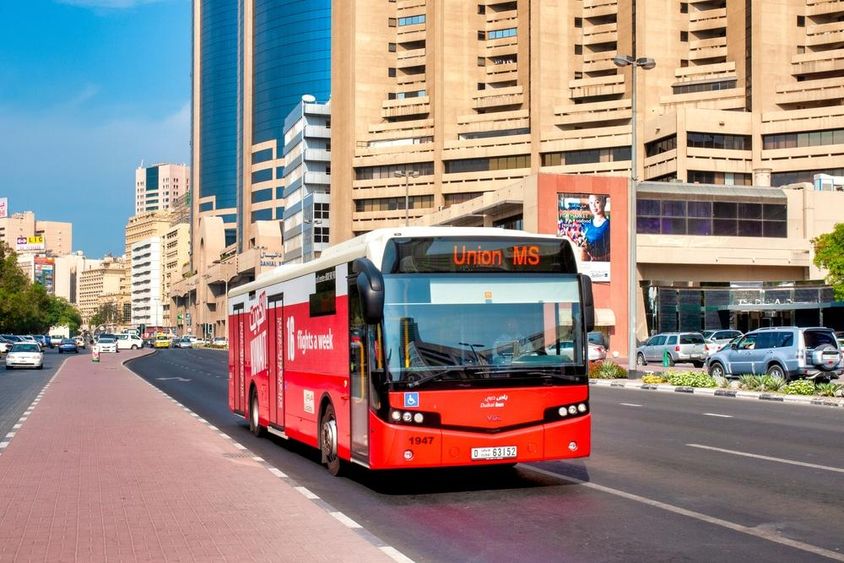
Dubai Takes Public Transport to New Heights
The city of Dubai has consistently been moving towards a paradigm where transportation is not merely a necessity but a consciously designed, experiential service. One of the latest and most striking examples of this development is the installation of hundreds of new, modern bus shelters throughout the city. This step is not a standalone action but part of a comprehensive strategy focused on reimagining urban mobility.
The aim of this development is clear: to create a transportation environment that is comfortable, efficient, and sustainable. Once again, Dubai demonstrates that it not only responds to the growing needs of its population but proactively shapes the future of urban living.
A New Experience of Daily Travel
At first glance, the role of bus shelters may seem simple, but in reality, these infrastructure components play a key role in the travel experience. The newly installed stops are not just covered waiting areas but complex service points.
Waiting has often been considered the least comfortable part of travel, especially due to the extreme heat of the summer months. The new solutions address this problem: air-conditioned spaces, shaded seating, and thoughtfully designed layouts ensure that waiting is not burdensome.
This is not just a matter of convenience. If every element of public transport becomes more livable, people are more likely to choose it over individual car usage.
Building an Integrated Transport System
One of the most significant advancements is that these bus shelters are closely linked to the city's entire transportation network. Dubai's transportation system has already relied heavily on integration, but this development elevates it to an even higher level.
The transition between buses, metro, taxis, and shared mobility solutions is becoming increasingly seamless. A well-placed bus stop that serves more than ten routes significantly reduces transfer time and makes travel more predictable.
This kind of network thinking is what truly makes a city modern. It is not the development of individual elements that matters alone, but how well they work together.
Infrastructure Designed for Demand
One of the most interesting aspects of the system is its scaling. The stops were not built according to a general template but based on specific passenger traffic data. This means that the highly trafficked hubs received a completely different design from the smaller, less frequented stops.
At some points, hundreds of people pass through daily, while usage is much lower elsewhere. Accordingly, seven different types have been developed that precisely match local needs.
This differentiated approach significantly increases efficiency. Resources are not wasted where they are not needed, while everything is in place for smooth operation at busy locations.
Real-Time Information and Digital Experience
One of the cornerstones of modern transport is information. The new bus shelters elevate this to a new level by featuring real-time displays. Passengers can precisely see when the next service arrives, which route it takes, and how frequently it runs.
This significantly reduces the uncertainty that often deters people from using public transport. If a system is predictable, it automatically becomes more attractive.
The digital elements are not only comfort features but strategic tools as well. They help optimize the operation of the entire network and provide real-time data to operators.
Sustainability as a Principle
Dubai places increasing emphasis on sustainability, and this project is closely tied to this endeavor. The goal is not only to increase public transport usage but to reduce the city's environmental footprint.
With fewer cars on the roads, emissions decrease, air quality improves, and the urban environment becomes more livable. The new bus shelters indirectly support this by making mass transit more appealing.
This is part of a long-term strategy where every minor development counts. Even a well-designed stop can contribute to someone choosing the bus over a car.
A City Accessible to All
Accessibility also received special attention. A key aspect of the stop designs was to ensure that everyone, including those with disabilities, can use them easily.
Spaces designed for wheelchair users, thoughtful spatial organization, and accessible information all serve to make public transport truly available to everybody.
This is not just a technical issue but a social message too. The quality of a city is also defined by how inclusive it is.
The Foundations of the City of the Future
This development illustrates well that Dubai is not focused on small steps but systemic transformations. Bus shelters might appear insignificant at first glance, but they are part of a much larger picture.
The goal is a city where transportation is seamless, services are of high quality, and people see a genuine alternative in public transport.
In the city of the future, the question will not be whether there is public transport but how convenient, reliable, and well-integrated it is into everyday life.
In this race, Dubai is currently at the forefront, and every such investment is another step towards maintaining this position for the long term.
If you find any errors on this page, please let us know via email.


