UAE Air Travel Returns to Full Capacity
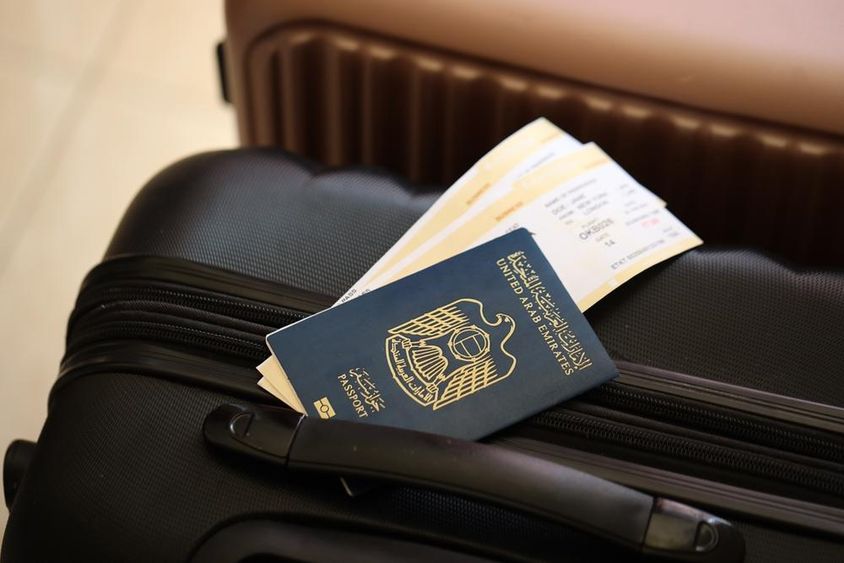
Air Travel Resumes Full Capacity in the UAE
The United Arab Emirates' air transport has returned to normal operation after the official lifting of previously introduced temporary security measures. This decision not only indicates the region's stabilization but also sends an important message to international travelers, airlines, and economic players. The restrictions imposed due to geopolitical tensions in recent times significantly impacted air traffic, but now a new phase begins, centered on normalization and gradual realignment.
What happened recently?
Following the outbreak of the regional conflict in late February, UAE authorities took swift and decisive steps to maintain airspace security. Temporary restrictions were introduced affecting flight routes, the number of flights, and in some cases, departure and arrival times. These measures primarily served a preventive purpose, aiming to ensure the highest level of safety for passengers and crew.
Airlines quickly adapted to the changed circumstances, developing alternative routes, adjusting their schedules, and maintaining continuous communication with authorities. Significant cooperation was observed from passengers, greatly contributing to keeping the system operational during this sensitive period.
The resumption process
Authorities decided to lift the restrictions following detailed situation analysis. After thoroughly evaluating security and operational conditions, it was determined that the airspace could be used at full capacity again. This was not a sudden decision but the result of a gradual, data-driven process.
Technical and operational teams played a key role in this transition, characterized by continuous monitoring, risk analysis, and quick readiness to respond. Modern air traffic management systems enabled real-time monitoring of the situation and immediate intervention if needed.
It's important to note that while the restrictions have been lifted, control has not been relaxed. Authorities continue to actively monitor airspace security and are ready to take swift action in case of any unexpected developments.
What does this mean for passengers?
One of the most important changes is that the number of flights is gradually returning to previous levels. This provides travelers with more options and may reduce pressure on ticket prices. Due to limited capacity experienced recently, prices increased on many routes, and the number of available seats decreased.
Normalization also means fewer delays and flight cancellations are expected. Schedules become more predictable, which is particularly important for business travelers and those with connecting flights. Dubai Airport and other regional airports can again handle passenger traffic at full capacity.
Impact on economy and tourism
The stabilization of air travel has a direct impact on the UAE's economy. Tourism, one of the primary sources of revenue, can gain significant momentum in the coming period. Dubai and other cities become more easily accessible again, increasing the number of visitors arriving.
The logistics and freight sector also benefits from the change. Air cargo becomes faster and more predictable, which is particularly important for international trade. For companies, this means more stable operations and better planning.
From the airlines' perspective, costs may also be optimized. Alternative routes were often longer and more expensive, so returning to normal operations is also financially favorable.
Safety remains a priority
Although the situation has normalized, authorities have made it clear that safety remains a priority. Real-time monitoring systems are continuously operating, and experts are ready to respond to any changes.
Passengers are advised to seek information only from official sources. This is especially important at a time when information spreads quickly and misleading news can easily appear. Accurate and reliable information helps everyone plan their travels safely and calmly.
Dubai's role in the region
Dubai International Airport plays a key role in global air transport, making its operational stability significant not only regionally but also internationally. The city remains an important hub in traffic between Europe, Asia, and Africa.
The current resumption shows that the UAE's infrastructure and crisis management capabilities are outstanding. They were able to adapt to the changed circumstances in a short time and then safely return to normal operations.
Prospects for the future
The key question in the coming period will be how stable the region's security situation remains. If there is no further escalation, continued strengthening of air travel is expected. This is a positive development not only for travelers but for all economic players.
Based on experience, UAE authorities are well-prepared to handle similar situations. Quick responsiveness, modern technology, and international cooperation all contribute to ensuring safe and efficient air transport in the future too.
Summary
The normalization of the UAE's air transport is an important milestone following recent events. The lifting of restrictions not only facilitates everyday travel but also strengthens economic and tourism prospects. Dubai and other regional hubs operate at full capacity again, while safety remains a primary focus.
Recent events showed that with proper preparation and cooperation, even the most difficult situations can be managed. The current state is a clear indication that stability and development have taken center stage again in the UAE.
If you find any errors on this page, please let us know via email.