Dubai Revolutionizes School Commutes with SUVs
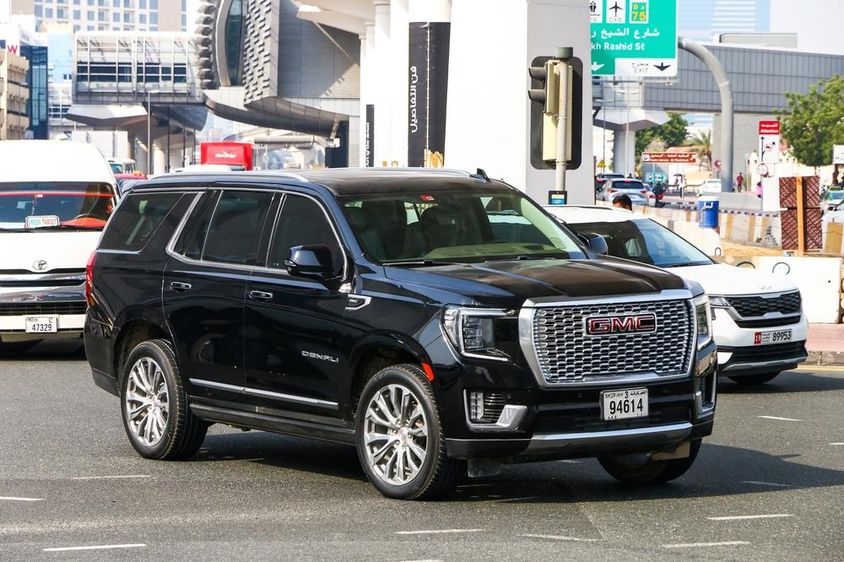
Dubai's New School Transport Model: Shared SUV Service for an Efficient Future
Dubai's transportation is once again undergoing significant innovation. The city, already leading in mobility development and the digitization of transportation infrastructure, is now testing a new system specifically targeting school transportation. The Dubai Roads and Transport Authority (RTA), in collaboration with the Yango Group and Urban Express, has launched a pilot project for a school SUV-based shared transport service.
What is this transportation pooling system?
The essence of the system, currently in the testing phase, is to transport students living in nearby areas to and from schools using a shared SUV service. This is not a classic school bus in the traditional sense, but a modern, on-demand approach that applies ride-sharing logic to public education. The aim of the service is to address several issues simultaneously: easing morning and afternoon peak traffic, reducing parental costs, shortening travel time, and lessening environmental impact.
Registration Procedure
For students from participating schools, registration is conducted online through the Yango or Urban Express websites. The system accepts interested parties on a rolling basis: travel can begin within 1-2 weeks after registration, provided appropriate routes can be established.
In the first round, schools and communities with the greatest transportation pressure are prioritized. This is particularly true for the Al Barsha region, where parking shortages and congestion are frequent issues.
How does the route organization work?
One innovation of the system is that it does not work with fixed school-specific routes but creates demand-based routes. So, if several children from a specific area attend the same or nearby schools, they travel together in a dedicated SUV vehicle.
Vehicles arrive at fixed times, synchronized with school starting and finishing times, and operate on predefined but dynamically adjustable routes. Stops are designated at the safest points closest to students' residences, ensuring optimal usage and keeping travel time within 60 minutes.
Pricing and Subscription Model
During the trial period, the service operates under a monthly subscription model with online payment only. Prices range from 800 to 1000 dirhams per month, which could be a favorable alternative compared to individual car transportation. Currently, a pay-as-you-go model is not available, as the pooling system relies on predictable participation.
In the future, quarterly or semi-annual packages are expected to be introduced, especially if the project proves viable long-term, and regulatory support exists.
Which schools are participating in the program?
Several renowned institutions participate in the pilot, mainly from the Al Barsha area and surroundings. The goal was to first test the system in busy, congested districts where the positive effects could be felt immediately. The list of schools includes international, American, British, and local curriculum institutions alike.
The proximity of selected schools allows a single vehicle to transport students to multiple locations at once, maximizing efficiency and minimizing route lengths.
Why could this model be a breakthrough?
This solution could bring advancements on multiple levels:
Sustainability: Fewer individual cars on the roads, lower carbon emissions.
Efficiency: Shorter travel times, less traffic waiting.
Cost Reduction: Shared transportation could result in lower monthly fees for parents.
Digital Integration: Online registration, real-time tracking, and feedback options all indicate that Dubai is once again one step ahead in the smart city model.
The Future: Could pooling come to other sectors?
The RTA's goal is for at least 60% of students to use some form of shared school transport within three years. If this model succeeds, it's possible it could appear in other areas—such as corporate commuting, community event transportation, or access to healthcare facilities.
Pooling-based transportation could clearly be part of Dubai's long-term transportation and environmental strategy.
Summary
The shared SUV school transportation system being tested in Dubai is more than just a transportation innovation. It is a conscious step towards sustainable, digitally supported urban mobility. The system, born out of the collaboration of the RTA, Yango Group, and Urban Express, could serve as an example to other major cities around the world on how to simultaneously serve the interests of families, the city, and the environment.
A key question in the near future will be whether the model can scale and how it can appeal to parents who have so far preferred to transport their children by personal car. If the answer is positive, Dubai could once again set an example of how to travel smartly and efficiently in the 21st century.
(The article is based on an announcement from the Dubai Roads and Transport Authority (RTA).)
If you find any errors on this page, please let us know via email.


