Dubai Implements Stricter Rules for E-Scooters
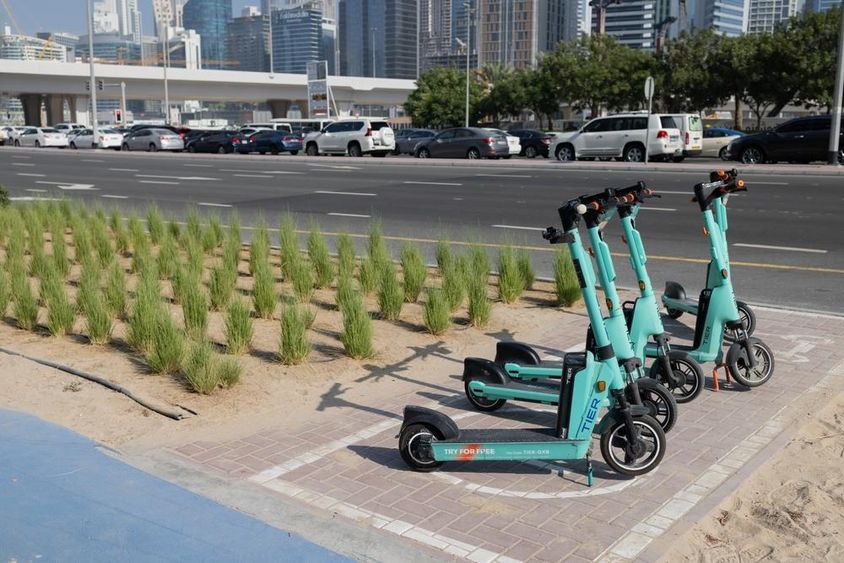
Dubai Electric Scooter License: Mandatory Permit, Digital Registration, and Strict Rules
In recent years, electric scooters and bicycles have become increasingly popular modes of transportation in the city of Dubai. They offer a convenient, eco-friendly solution for short-distance travel, especially in densely populated or tourist-frequented areas. However, with this popularity, there has also been a rise in traffic accidents, violations, and public complaints. In response, Dubai's Roads and Transport Authority (RTA) has taken a further step towards regulating micro-mobility: a mandatory permit is now required to operate electric scooters, which can be applied for completely digitally in just a few minutes.
Digital Permits on All Platforms
The RTA announced that applications for electric scooter driving licenses are available on all digital platforms, including the RTA Dubai app and the Dubai Now application. This innovation simplifies the registration process, allowing anyone to conveniently complete the steps necessary to obtain a permit from home. The goal of the digital system is to encourage more users to engage in lawful transportation while reducing incidents where vehicles are used dangerously without a permit.
Before obtaining a permit, users must complete educational modules that outline the rules for electric scooters and e-bikes, mandatory equipment—such as helmet use—and where it is allowed or prohibited to operate these vehicles.
Violations, Seizures, Accidents
Authorities are not only tightening up on permitting but are also increasing traffic checks. The RTA and Dubai Police have repeatedly emphasized the importance of adhering to rules. In one recent case, 90 individuals were detained in the Kite Beach area for using electric scooters and bicycles on sports fields and pedestrian zones—severely endangering pedestrians. Several vehicles were seized, and legal actions were taken against violators, some of whom traveled at speeds of 120 km/h, reaching levels comparable to motorized vehicles.
In the first five months of 2025, 13 fatalities were recorded related to pedestrian collisions and scooter-related accidents. The police stressed that these incidents could have been avoided if users had followed the prescribed rules and operated with permits and proper protective equipment.
Residential Bans and Community Tensions
Irregular scooter use has caused significant tensions in urban communities. Several residential districts—such as Victory Heights and Jumeirah Beach Residences—have already imposed full bans on electric scooters due to a lack of traffic discipline, noise, hazards, and conflicts becoming commonplace. The ban is often driven by parental concerns for child safety or pedestrians worried about not being able to detect silently approaching vehicles in time.
However, other residents believe that a total ban is not a solution but rather a step backward. Many view electric scooters and bicycles not as leisure vehicles but as genuine transport options, especially for those commuting short distances between work and home. For them, stricter but reasonable regulations could provide a way forward, rather than a ban.
Conscious Use and the Future of Urban Transport
Dubai's goal is not to completely disable the use of electric scooters, but to create a system where micro-mobility can operate in harmony, safely, and responsibly alongside the city's other transport solutions. Education is a key element in this: the RTA has launched campaigns demonstrating the most common violations and helping users understand how they can travel safely.
Wearing a helmet remains mandatory, and unlicensed operation is strictly punishable. Designated cycle lanes and micro-mobility zones are continuously expanding, enabling users to use vehicles with greater safety—but only if they truly follow the regulations.
Conclusion
Dubai sets an example of how to build a well-functioning regulatory system around a new, rapidly spreading form of transportation. The requirement for electric scooter licenses, digital registration options, and increased monitoring all aim to ensure that the city's transport remains modern yet safe. Although reports of bans and accidents may be alarming, it is important to see: the goal is not prohibition but the creation of a regulated, community-friendly coexistence.
For this to be achieved, every user must understand: an electric scooter is not a toy but a means of transport—and it must be used responsibly. And from now on: with a permit.
(Source: Based on a statement from the Dubai Roads and Transport Authority (RTA).)
If you find any errors on this page, please let us know via email.