Dubai Battles Illegal Desert Activities
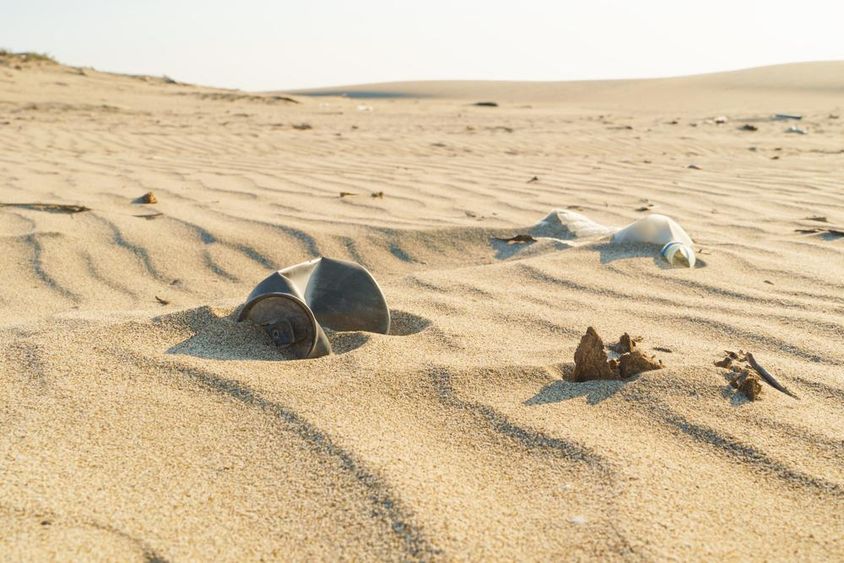
In the Shadow of Desert Plastic Mountains – Dubai Cracks Down on Illegal Vendors and Litterbugs
As temperatures begin to drop in Dubai, more people are visiting the city's peripheral natural areas, especially the desert retreats, to take advantage of the milder weather for picnics or off-road adventures. However, the problem is not the weather, but what many leave behind: plastic plates, disposable cutlery, food leftovers, abandoned blankets, and traces of illegally operated food vendors. The Dubai municipality has therefore launched a comprehensive raid to eliminate unauthorized activities and curb desert pollution.
Illegal Vendors Amidst Nature's Embrace
In recent weeks, authorities have received an increasing number of reports that certain desert regions – particularly around Al Qudra and Rawiya – have been filled with illegally operating food vendors who lack both hygiene permits and environmental awareness. Most of them offer homemade food, often selling directly from tables or trailers set up in the sand.
While some have regretted the authorities' actions, saying they have lost their livelihood, others have welcomed the decision. Their argument is simple: there can be no compromise when it comes to hygiene and nature conservation. Those who offer food to the public have a responsibility – not only towards consumers but also towards the environment.
The Reality Behind the SUVs
The situation is well known to a member of a rescue team who assists stranded motorists along the off-road trails. He reports that it's not uncommon for people to simply leave their trash behind after finishing a picnic or desert barbecue. What one group sees as mere convenience can pose a fatal danger to another, be it a camel or a bird.
According to him, they have often seen camels scavenging among the scattered food remnants or plastic bags, consuming things that could seriously harm them. Recognizing the severity of the issue, the team has reported the situation to the relevant authorities, who have not remained idle: they have responded with awareness campaigns, cleanup crews, and heightened inspections.
What They Leave Behind: As If They Were Still Sitting There
Another local resident spoke on the matter in a radio program. He regularly visits the surrounding desert rest areas and witnesses every morning how municipal teams strive to clean up the weekend's debris. He noted that many people simply "flee" at the end of a picnic, leaving behind plates, blankets, and even chairs, as if returning to the same spot the next day.
He believes this is not only laziness but also a result of the worthlessness of these items – cheap, disposable stuff that's easier to leave than to take home and reuse. The problem is that nature can't deal with these disposable plastics.
Regulations and Fines
Dubai's official regulations are clear: anyone who wishes to sell food, whether temporarily or permanently, must be registered on the FoodWatch platform and possess a valid permit. This is a fundamental requirement not only for food safety but also for environmental protection.
Anyone attempting to do so without a permit can face serious consequences. Illegal vending and improper waste disposal, including leftover food, plastic cutlery, and picnic gear abandonment, can result in fines ranging from 500 to 1,000 dirhams. For repeat offenders or larger quantities of waste, fines can be even higher.
From Disorder to Shared Responsibility
It's important to understand that authorities are not against recreation. In fact, they actively support nature-based leisure activities as long as they are conducted responsibly. Temporary vending opportunities during the winter season can operate in well-defined areas and controlled conditions if they adhere to regulations. Anyone can learn about the necessary permits and rules on the official Dubai Municipality portal.
Public areas, including the desert, are a shared heritage for everyone. The condition we find them in over the weekend also depends on the footprints we leave there the previous weekend. Clean sands and the silence of nature can only be preserved if everyone takes their share of responsibility – even by taking a used plastic plate home.
Conclusion
Dubai's desert areas are particularly popular during the winter months, but the increasing human presence does not come without consequences. Illegal vending and irresponsible waste management are problems that not only cause aesthetic issues but also endanger the natural wildlife and the recreation experience of visitors. The response of the authorities is clear and resolute: there is no room for violations. But true change cannot be achieved solely through fines; it depends on individuals' awareness and attitude. If we truly want to preserve the magic of Dubai's deserts, we must start acting responsibly with everything we bring along – and everything we leave behind.
(Based on a statement from the Dubai Municipality.)
If you find any errors on this page, please let us know via email.


