Dubai Aviation Soars: Emirates' Bold Plans
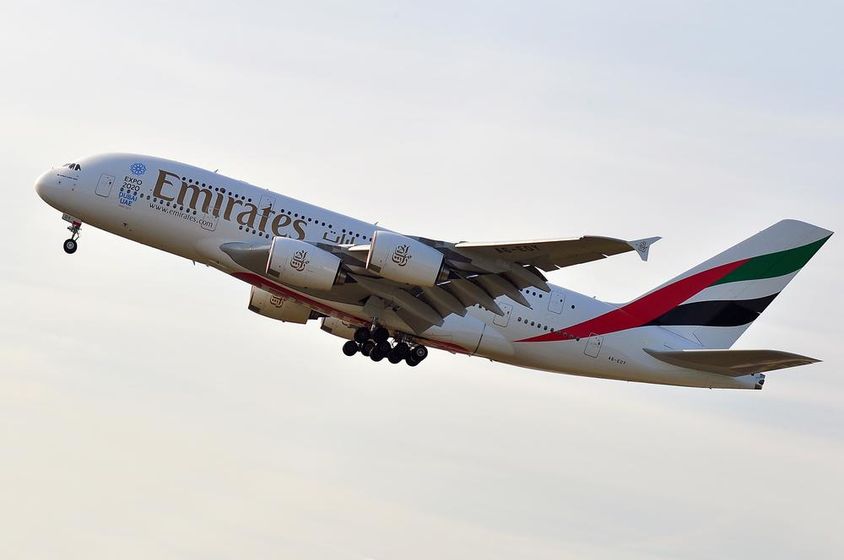
A New Era in Dubai Aviation: Emirates Plans Over 300 Aircraft and 200 Destinations Ahead of Al Maktoum Airport Move
Dubai's aviation future is reaching new heights as Emirates airline prepares for massive expansion plans in the coming decade. The objective is clear: to operate a fleet of over 300 aircraft and cover more than 200 destinations before the company shifts its operations from the current Dubai International Airport to Al Maktoum International Airport, set to take on the role of the world's largest international airport by 2032.
Continuous Expansion and the Beginning of a New Era
Currently, the Emirates fleet consists of 269 aircraft serving over 140 global destinations. However, significant growth is anticipated in the coming years: from 2027 to 2038, over 380 new aircraft will be added, including Boeing 777 and Airbus A350 models, significantly enhancing the company's capacity and potential.
This expansion represents not only a quantitative but also a qualitative leap forward. The onboard services, comfort, and technological advancement of the new planes are expected to set a new standard in the aviation world. With this move, Emirates aims to meet the demands of its existing passengers and target new markets.
Transition to Al Maktoum Airport
According to a decision by the Dubai government, as of 2032, all traffic from Dubai International Airport will be transferred to Al Maktoum International Airport (abbreviated as DWC), which is currently one of the largest ongoing aviation projects globally. The fully developed facility will be capable of handling over 260 million passengers annually, representing a significant leap from current capacities.
DWC will have 400 aircraft gates, facilitating fast and efficient traffic management and further development of global connections. The airline's goal is to reach a fleet of 300 aircraft and serve 200 destinations before moving to DWC, laying the foundation for its next growth phase.
New Destinations and Strengthened Network
In the first half of the 2025–26 fiscal year, Emirates launched several new routes, including flights to Danang, Siem Reap, Shenzhen, and Hangzhou. By the end of September 2025, Emirates' passenger and cargo network connected 153 airports across 81 countries and territories.
The company has also introduced an additional 28 weekly flights to various destinations, such as Antananarivo, Johannesburg, Muscat, Rome, Riyadh, and Taipei. This strategic move is not only to strengthen existing connections but also to further improve global reach.
Dubai as a Global Aviation Hub
In Dubai's economic development strategy (D33 agenda), becoming an aviation hub is a key goal. Emirates' ambitious plans align with this objective. According to the company's long-term strategy, it aims to launch flights to up to 400 destinations, connecting the world's remote points with just one transfer.
Dubai has already demonstrated its ability to quickly and efficiently adapt to changing global environments. The decision in 2020 to be among the first to reopen its borders after the pandemic provided a huge boost to tourism and aviation. Visitors could see firsthand the city's standards, which exceed advertising – this direct experience has become a defining moment for many.
Two Airlines Strengthening Together
The fleet expansion of Emirates and flydubai is progressing parallelly, offering even more travel options for passengers. The new generation of aircraft not only provides longer ranges and reduced emissions but also sets a new level of onboard comfort.
This development dynamic not only invigorates tourism but impacts the entire economy. Airport infrastructure, logistics centers, hospitality, and services all benefit from the strengthening aviation sector. Through job creation, investments, and expanding international relations, Dubai continues to strengthen its position on the global economic map.
Summary
The planned growth of Emirates and the move to Al Maktoum Airport is a milestone in the city's evolution. The ambitious objectives are backed by a clear strategy, making Dubai an even more critical aviation hub in the world. Through new aircraft, destinations, and advanced airport infrastructure, Emirates not only keeps pace with global competitors but also sets a new direction for the industry.
As 2032 approaches, the vision of Dubai as the travel center not only of the region but the entire world becomes increasingly clearer. Emirates not only adapts to this but actively shapes it.
(Source based on a statement from Emirates airline.)
If you find any errors on this page, please let us know via email.


