Drones Delve into Dubai Metro: A Tunnel Revolution
Drones Delve into Dubai Metro: A Tunnel Revolution
Dubai has always been at the forefront of technological innovations, whether it's flying taxis, artificial intelligence, or autonomous vehicles. Recently, there has been another breakthrough in one of the city's largest transportation infrastructures: the Dubai Metro tunnels are now inspected by drones instead of human inspectors. This not only saves time and money but also elevates worker safety to a new level.
Why is tunnel inspection important?
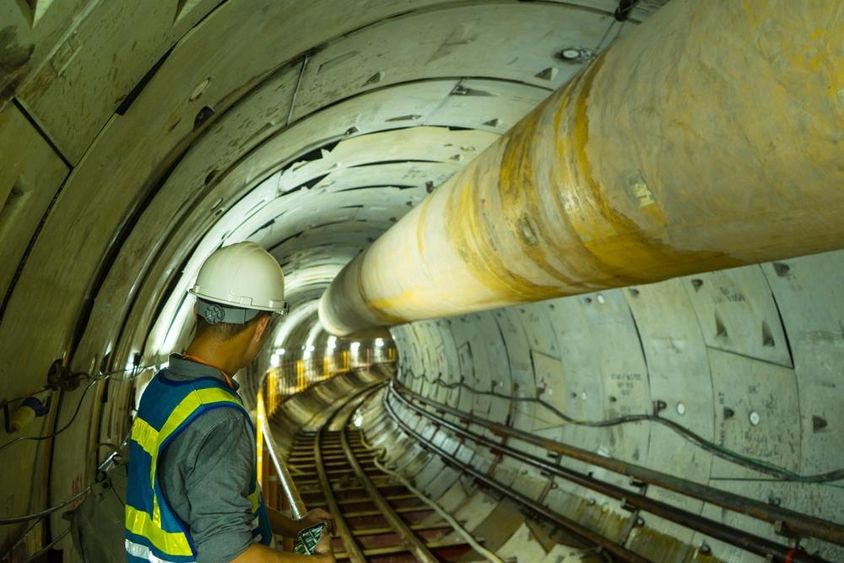
Underground railway systems, like the Dubai Metro, serve hundreds of thousands of passengers daily. For these systems to operate smoothly, safely, and efficiently, regular and thorough maintenance is essential. Previously, inspecting the structure, lining, and structural condition of tunnels required prolonged planning and physical entry into hard-to-reach sections. This was not only time-consuming but also risky for engineers and maintenance workers.
The entry of drones into the metro tunnels
The latest initiative by the Dubai Roads and Transport Authority (RTA) involves using drones for metro tunnel inspections. These drones, specifically developed for this purpose and equipped with high-resolution cameras and sensors, can access areas previously accessible only after extensive and dangerous preparations by professionals.
Thanks to this system, inspection time has been reduced by 60%, while the precision and detail of the process have significantly increased. The images and videos recorded by the drones allow engineers to analyze the condition of the tunnels from the surface—faster, more safely, and more efficiently than ever.
A new level of safety and efficiency
One of the greatest advantages of introducing this technology is the reduction in human risk factors. Previously, experts often had to enter narrow, poorly lit, and hazardous sections to perform inspections. Now these tasks can be carried out remotely, in front of screens, minimizing the direct risk of accidents.
Moreover, problems detected during drone inspections—such as cracks, leaks, and signs of corrosion—can be identified much faster, enabling quicker interventions. Thus, not only is maintenance time reduced, but total downtime as well.
Other areas of drone use in Dubai transportation
Beyond metro tunnels, drones have been deployed for other purposes as well. In mid-December, it was announced that a new pilot project had been launched, using drones for cleaning traffic lights. This innovation not only makes work safer as there is no need for lifting machines or human height work but is also cost- and energy-efficient. With reduced water and fuel consumption, greenhouse gas emissions are also mitigated, bringing the city closer to its sustainability goals.
Previously, another pilot project had already started, utilizing drones for cleaning the facades of metro and tram stations. The aim here too is to increase efficiency, reduce the need for human labor, and cut costs.
Digital transformation in Dubai's metro network
The initiatives described above are not isolated innovations but part of a comprehensive digital transformation strategy. Dubai aims to feature one of the world's most modern and intelligently managed transportation systems. This includes integrating autonomous vehicles, applying artificial intelligence in traffic management, and making data-driven maintenance and operational decisions.
In this context, drone-based inspections and cleaning work represent a new level: solutions through which Dubai not only follows but shapes the future directions of urban transportation.
Summary
The inspection of Dubai Metro tunnels using drones opens a new era in the city's public transport history. The application of technology improves safety, reduces costs, and speeds up maintenance. Additionally, the use of drones is spreading: not only tunnels but also traffic signals and stations are being cleaned with them.
All of this demonstrates Dubai's continued commitment to intelligent and sustainable urban development, where technology is not the goal but a means to a more efficient and safer life.
(Based on a statement from the Dubai Roads and Transport Authority (RTA).)
If you find any errors on this page, please let us know via email.


