Driving and Insurance in Flood Conditions
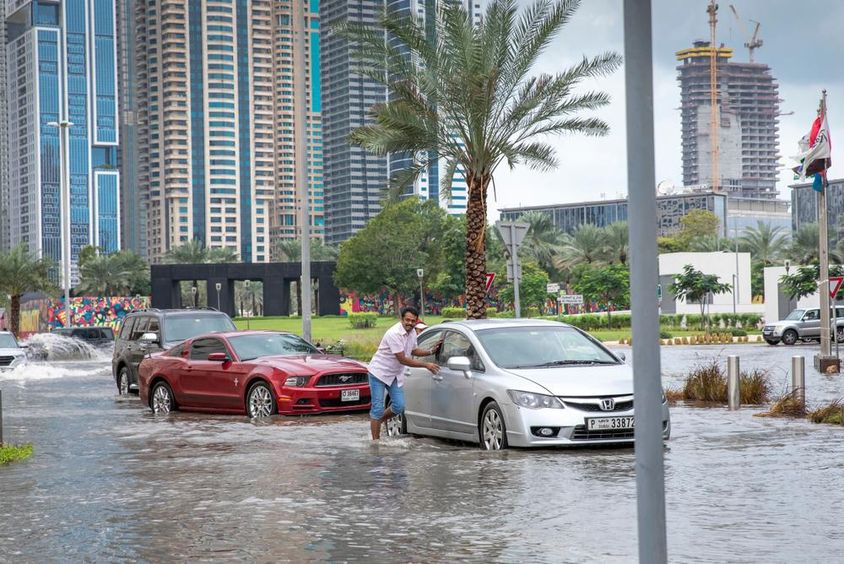
Car Use and Insurance Claims Amidst Floods
Severe weather events in the UAE, particularly the heavy rains in April 2024 and December 2025, have opened a new chapter in the auto insurance market. More drivers are facing the reality that driving through floods and resulting damages may not be covered under their policy—especially if the driver exhibited 'negligence.'
Insurers’ Stricter Stance
Insurers are tightening their claims practices, particularly if the driver entered known flood-prone areas marked by authorities as high-risk zones. Such areas include wadis (temporary watercourses), which can cause sudden floods during heavy rains.
Insurers generally believe these locations pose serious risks not only to vehicles but also to occupants, and insurance policies often exclude such risks. If a driver chooses to enter a flooded road, this can be construed as willful risk-taking or negligence—justifying any denial of claims by the insurer.
Changing Awareness Among the Insured
Extreme weather events over the last two years have significantly raised awareness. Customers are becoming increasingly aware of what their insurance covers and what it does not. Many are opting to upgrade from basic third-party insurance to comprehensive vehicle insurance packages that cover more types of damage.
Not just car owners, but renters as well, are increasingly opting for home insurance to protect their belongings against floods and other weather-related damages. This trend highlights the growing importance of weather-related risks in insurance decisions.
Maturity of the Insurance Market
The local insurance industry is undergoing substantial development, especially in managing disaster situations. Insurers have strengthened their claims assessment capabilities and are better coordinating with brokers and intermediaries. In addition, they communicate more clearly with clients, particularly during peak times, such as heavy rainfalls.
These improvements have led to faster claims reporting, more efficient handling, and reduced client frustration. Additionally, clients approach their insurers with more realistic expectations thanks to better education and information.
Technological Advancements and Rising Costs
Rising insurance premiums are not solely due to weather events. Vehicle technology advancements, particularly in electric cars and advanced driver-assistance systems (ADAS), significantly increase repair costs. Repairing a modern car after flood damage is far more expensive than repairing a traditional vehicle, as not only mechanical but also software and electronic components may be damaged.
Insurers are therefore not only raising premiums but also interpreting contractual terms more strictly. Clear regulation is also monitored by authorities: the UAE Central Bank has repeatedly urged insurers to promptly settle legitimate claims.
Role of Weather Alerts
During the December 19 rainfalls, foresight by authorities and government bodies was particularly crucial. Weather forecasts, mobile alerts, and direct information helped people take preventive measures—to avoid unnecessary travel or prepare their homes.
This foresight is also to be valued in the insurance sector: timely public awareness of risks reduces the likelihood of major losses. Coordination and awareness are among the most important lessons from recent storm damage events.
Flooding Was Not Just Rain but a Test
Industry participants agree that the December 2025 rains did not shock the market but served as a kind of sharp test. This 'stress test' highlighted which insurers have adequate capital reserves, technical preparedness, and client management experience to successfully manage such high-risk events.
Looking ahead, this knowledge is vital. As climate change progresses, weather anomalies may become more common. Preparedness, data-driven risk assessment, and client education are of paramount importance to both insurers and customers.
Summary
The UAE insurance market has reached a turning point. The severe rains, floods, and their consequences have highlighted the importance of comprehensive insurance protection—whether it concerns vehicles, personal property, or real estate. Reckless behavior, such as driving into submerged roads, not only endangers life but can also lead to the loss of insurance cover.
Insurers are stricter, customers are more informed, and the state is better coordinated. This trio guides the industry towards a path where prevention, awareness, and collaboration become the most valuable assets. In this environment, responsible decisions and keeping weather conditions in mind can protect not only life but insurance coverage as well.
(Source: Based on UAE insurers’ claims evaluations.)
If you find any errors on this page, please let us know via email.


