Desert Escapes: Al Ain's Winter Tradition
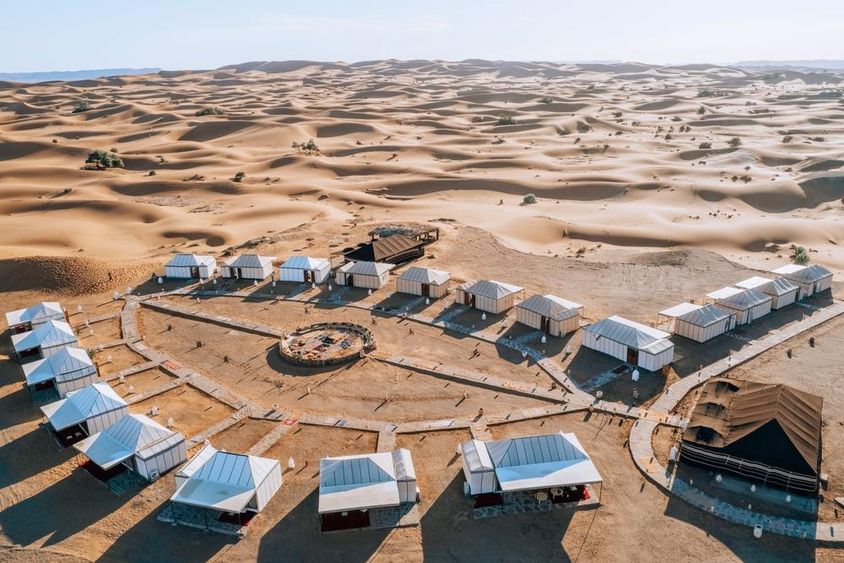
Winter in the UAE: Al Ain Families Retreat to the Desert
As winter arrives in the United Arab Emirates, and temperatures drop significantly, especially in the interior regions of the country, an interesting, deeply rooted social phenomenon can be observed: many families from the city of Al Ain almost ritualistically leave their urban homes to move into desert houses for months. This practice is not new; it is based on centuries-old traditions that focus on connecting with nature, strengthening family bonds, and achieving spiritual cleansing.
The Allure of Desert Life in Winter
Compared to the bustling rhythm and noisy weekdays of the city, desert life offers a kind of tranquility, slowdown, and introspection. During the winter months, when nights are cool and days are pleasantly mild, nature comes back to life: rains turn the sands green, plants bloom, and camels are seen as particularly active and healthy by their owners. All this creates a special atmosphere during this time of the year.
This period offers not only natural experiences. The simplicity and rhythm of the desert compel people to re-evaluate what truly matters. Here there's no rush, no traffic jams, no artificially ticking clock. The rhythm of sunrise and sunset dictates the days, people cook together, drink tea around the fire, converse and reminisce.
Tradition and Identity Hand in Hand
These desert retreats are not just leisure activities but hold deep cultural significance as well. Many view these months as a rediscovery of their identity. In Al Ain, many families grew up spending the winter months in the desert. The stories of older generations, the preparation of traditional foods, and shared activities all contribute to preserving this way of life amidst modernization.
For younger generations, it is also important to carry forward this legacy. Desert life doesn't mean seclusion from the world but rather a connection to one's roots, a search for balance between urbanization and nature. This lifestyle can help children appreciate nature, family bonds, and learn how to live more simply and mindfully.
Modern Comfort in the Desert
While desert life continues to focus primarily on closeness to nature and traditional values, modern technology has become increasingly present in recent years. Today, many desert houses are equipped with electricity, solar panels, water tanks, and even mobile internet connectivity. These amenities allow those coming from the city to experience desert life without completely giving up basic comforts.
Of course, there are challenges too. Temperatures in the desert can drop significantly at night, so proper heating or warm clothing is necessary. Additionally, access to services—such as medical care or grocery stores—can be limited, requiring foresight and adaptability for desert life. But many say that these 'obstacles' provide the true experience.
An Island of Mental Wellness
For many, urban life brings stress and overload, especially in big cities like Dubai. Desert life, on the other hand, offers an excellent opportunity for mental replenishment. The silence, the view of the horizon, and the starlit sky all help calm thoughts, clarifying the mind.
Many people report that after spending weeks in the desert, they return to work more calmly, manage stress better, and develop deeper connections with family members. The quality of time spent there is quite different from the rush of everyday life—and this difference is felt in the long term.
Closing Thoughts
The fact that Al Ain families return to the desert every winter is about more than just habit or nostalgia. This lifestyle is a sort of counterpoint to modern life's rush. It's an opportunity to reconnect with nature, our roots, and, most importantly, each other.
When sitting by a fire, under the stars, with a cup of hot tea in hand, listening to the silence—one truly understands why so many choose this year after year. The desert is not just a place but an experience, a legacy, and a solace—and in winter, its impact is especially powerful.
(Source: Based on family tradition.)
If you find any errors on this page, please let us know via email.


