Bacterial Concerns Prompt Infant Formula Recall
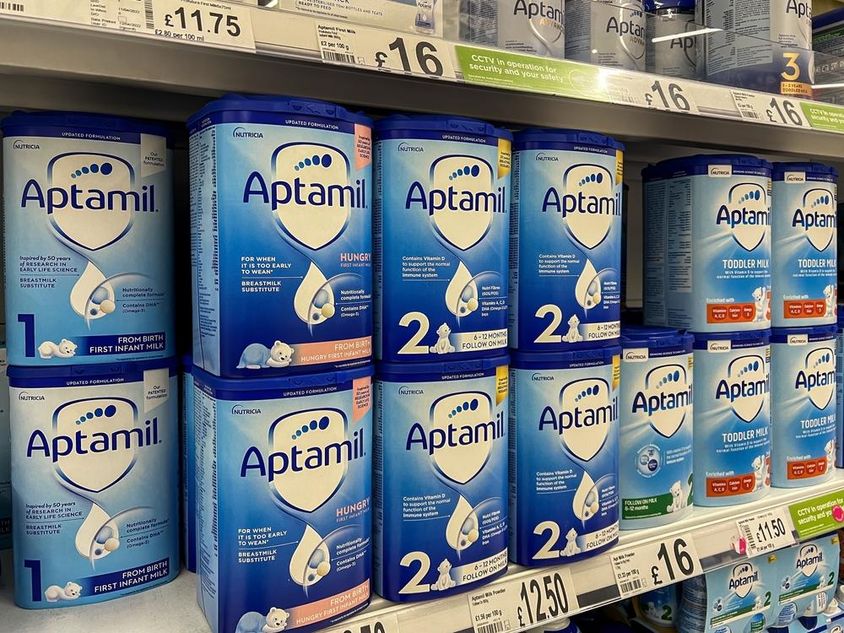
Infant Formula Recall in UAE and Oman: Aptamil Advance 1 Product Withdrawn Due to Bacterial Contamination Suspicions
Authorities in the United Arab Emirates have announced the recall of a specific batch of Aptamil Advance 1 POF infant formula after signs indicating the risk of infection were found. The decision was made jointly by the Ministry of Climate Change and Environment and the Emirates Medicines Agency to prevent health risks. Oman followed suit, also ordering a nationwide recall. The batch bears an expiration date of November 8, 2026, and is intended for newborns in their first six months of life.
Reasons for the Recall
According to authorities, traces of Bacillus cereus bacteria were detected in one of Aptamil Advance 1's production components. This bacterium is capable of producing a toxin known as cereulide, which in some cases may cause symptoms similar to food poisoning, such as nausea, vomiting, and stomach pain. Although the product has not yet been linked to documented illnesses in the UAE or Oman, officials decided on the recall as a precaution.
Nutricia Middle East, a subsidiary of the Danone group, is collaborating with authorities to ensure all copies of the questioned batch are removed from commercial circulation. Stocks found in distributors' warehouses have already been sealed, and retrieval from store shelves has commenced.
What Should Consumers Do?
UAE consumers are urged to immediately check the expiration date on the packaging of the Aptamil Advance 1 POF formulas they purchased. If the date displayed is November 8, 2026, the product should not be consumed and should be safely disposed of. Authorities advise against passing the recalled product to others, even if the packaging appears intact.
The Emirates Medicines Agency has issued a circular mandating all pharmacies, healthcare facilities, and retail units to immediately remove the affected batch from their offerings. The recall also applies to online retailers and wholesale warehouses.
International Precedents
This recent recall is not an isolated incident; similar issues have prompted the removal of certain Danone-produced Aptamil products in the United Kingdom and several EU member states. The Irish Food Safety Authority (FSAI) issued a warning on January 26, 2026, regarding a batch contaminated with cereulide, which referred to the "Aptamil 1 from Birth First" infant formula.
In Oman, a nationwide recall was also initiated based on Danone’s warning. The Omani Ministry of Health has stated that no reports of health damage have been received from the public, but the product should be immediately withdrawn from use regardless. Authorities advise parents to dispose of the affected batch safely and not attempt to return it to stores if they have already indicated the product’s removal.
The Importance of Proper Manufacturing
Infant formulas represent a special category of products as they are made for the most vulnerable age group, newborns. A mistake like this, although rare, can have serious consequences if not recalled in time. The presence of Bacillus cereus bacteria indicates that proper sterilization, heat treatment, or checks did not occur at some point during production. Danone and its partners will likely tighten their internal quality assurance processes to prevent similar incidents in the future.
UAE’s Rapid Response
Authorities in the United Arab Emirates have again set an example of food safety. Quick reaction, informing the public, and transparent handling of the recall process help prevent panic and maintain trust. Such cases highlight the importance of continuous monitoring at every stage of the food chain, especially for products intended for children.
Summary
The recall of infant formulas is a serious warning for all manufacturers that adhering to the highest standards of quality and hygiene cannot be optional. The recall of Aptamil Advance 1 POF product clearly shows that UAE and Oman authorities are prepared to handle such situations and will do everything possible to protect the public. Parents have a responsibility to carefully check the expiration dates of purchased products and not disregard such warnings.
The cooperation between manufacturers and authorities, rapid information flow, and transparent communication are essential to ensure the health of the youngest remains unharmed, even accidentally.
If you find any errors on this page, please let us know via email.


