Ancient Olive Trees Find New Home in Dubai
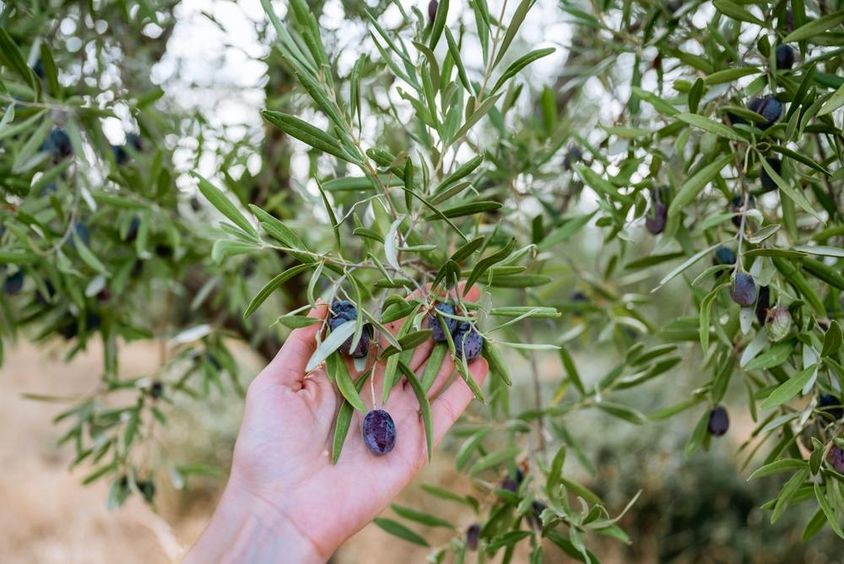
Millennium-Old Olive Trees Move to Dubai's New District
Dubai is not just synonymous with modern architecture, luxury, and innovation, but increasingly sets an example of how to integrate the values of the past into a forward-looking urban environment. This is most recently evidenced by the residential development called Keturah Reserve, which aims to distinguish itself in the Dubai real estate market with an extraordinary visual element: centuries-old, even up to 2,500-year-old olive trees find a new home in one of the United Arab Emirates' most rapidly developing areas.
More Than Landscaping: Living History
The olive trees waiting to be planted originally come from Spain and Italy, and each specimen is a living journey through time. These trees, which can be valued at up to one million dirhams each, are not just plants but living parts of the Mediterranean world's heritage. The designers' goal is that these ancient trees not only enrich the environment but also carry symbolic value: the long life, permanence, and timeless beauty of nature.
Prestige and Sustainability Combined
The real estate company responsible for the Keturah Reserve development decided to incorporate natural, historically valuable elements into the project. Planting Mediterranean olive trees is not just a visual spectacle but a medium for connecting with nature. Research shows that people who live in homes where natural elements are pronounced report better well-being and mental health, alongside lower stress levels.
A recently published, peer-reviewed study also confirmed that those living in nature-close residences reported greater satisfaction and higher quality of life than those living entirely in artificial environments. Thus, nature is not just a pretty sight but has concrete impacts on human well-being—something the developer recognized when it decided to entrust the project's green image to one of the oldest cultivated plants.
Special Technology for Relocation
The olive trees are not simply being transplanted but are relocated using specially designed transport and replanting procedures. Since the root systems of these potentially thousand-year-old trees are particularly sensitive, transportation is carried out by companies specialized in such operations. The replanting is done with technology that considers Dubai’s climatic characteristics, ensuring that the olive trees persist, even thrive, in their new environment over the long term.
According to the developer, the application of traditional and acclimatization procedures is indispensable for considering the trees not just as 'decorative elements' but as genuinely viable, long-term sustainable landscape features. During the project, the modernity of the irrigation systems, soil composition, and shading and microclimate creation solutions are all taken into account.
Living Space in Harmony with Nature
The layout of the Keturah Reserve residential district is closely intertwined with the presence of natural elements. Buildings—ranging from apartments, townhouses, to villas—are designed in such a way as to allow the maximum amount of natural light and ensure the flow of natural air movement. This biophilic architectural approach is not only energy-efficient but also contributes to the comfort of the residents.
The open spaces between residential buildings, walkways, community gardens, and rest areas also form a cohesive green infrastructure along with the olive trees. The aim is for nature not to appear as a separate entity, but to organically integrate into urban living.
Symbol and Message
The intellectual background of the project is provided by the idea of the timelessness of nature. The olive tree, one of the world's oldest cultivated plants, is not just a symbol of the Mediterranean region but also a symbol of life, peace, and perseverance. Dubai, which has proven time and again that it can be both modern and culturally sensitive, once again sends a message to the world: innovation does not preclude respect for traditions.
The developer behind the project clearly strives for long-term value creation, in aesthetic, environmental, and emotional terms. The Keturah Reserve is not just a residential park but an ecological and cultural statement.
Timing and Expectations for Completion
The project covers an area exceeding 400,000 square meters, a development scale grand even by Dubai standards. The first homes are expected to be handed over in 2027, with further phases scheduled until early 2028. According to developers, the interest already exceeds preliminary expectations, particularly among those who value sustainable and nature-close living spaces.
Thus, Keturah Reserve is not just about luxury but about a new kind of lifestyle where time, nature, and human well-being coexist in harmony—in one of the world's most dynamic cities, Dubai.
(The source of the article is a residential park development project report.)
If you find any errors on this page, please let us know via email.


