AI in Education: A Systemic Challenge
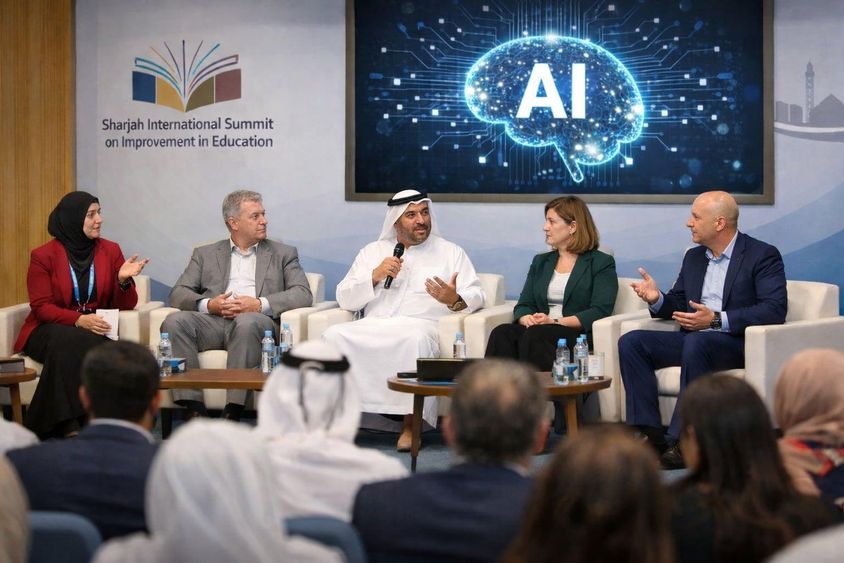
Artificial Intelligence in Education: Outdated Evaluation System, Not Cheating, is the Real Issue
Educational experts in the United Arab Emirates are increasingly speaking out against the view that artificial intelligence (AI) is the main cause of cheating in schools. The real problem is not AI itself, but how we measure learning today. Experts believe that AI is not a threat but an opportunity that could revolutionize education if applied correctly.
AI's presence in schools is now inevitable
Artificial intelligence is no longer a distant promise but has become part of everyday educational practice. According to educational leaders in the United Arab Emirates, anyone who still hopes that AI can be excluded from school work is chasing illusions. Classroom work is already significantly influenced by technology, and the progression is fast and irreversible.
Standing at the intersection of technological and educational reforms, it is increasingly clear that AI does not replace teachers but helps them. AI can unlock new opportunities in developing student skills, supporting individual learning paths, and transforming assessments. This is particularly crucial for current educational systems, which often still rely on centuries-old mass education logic.
Cheating is a systemic, not a technological issue
Concerns about artificial intelligence in schools often focus on the threat of cheating. However, experts argue that technology is not to blame, but the incentive system that prioritizes obtaining good grades over the true goal of learning. As long as assessments reward the recall of memorized knowledge, students will use every tool—including AI—to achieve the desired results.
Tests and assignments often no longer measure how much a student has understood or can apply what they have learned, but merely how well they meet formal requirements. Instead of appreciating curiosity, problem-solving thinking, and creativity, we often still demand "paper-based" knowledge.
Time to return to the basics
The emergence of artificial intelligence creates an opportunity to return to the essence of education: how does a child learn, and what do they understand from what they study? Assessment does not have to be a test filled out on paper. Oral discussions, presentations, practical projects, or even independent research can provide a true picture of a student's development.
This is especially important for countries like the UAE, where the educational system is rapidly developing and open to introducing new technologies. The challenge for teachers and school leaders now is to rethink how they evaluate students and how AI can be integrated into the educational process as a partner in teaching, rather than just a tool.
A bridge between professional dialogue and practice
On February 14-15, 2026, the 5th Sharjah International Summit on Improvement in Education, organized by the Sharjah Education Academy, offers a platform for dialogue between educational policy and practical implementation. The conference aims to examine education as a living system centered around humans.
Artificial intelligence and emerging technologies not only bring changes in educational tools but also enable a complete rethinking of education. A key message of the conference is that technology cannot replace humans— it should rather play a supportive role that aids educators and preserves teaching based on human values.
Practical knowledge and future-oriented leadership
The day before the summit, 11 masterclasses will be held to provide practical tools for teachers, school leaders, and policymakers. These courses offer directly applicable methodologies to help education truly respond to technological changes.
During the plenary lectures and thematic roundtable discussions, special attention will be given to lifelong learning models starting from preschool education, school quality improvement, teachers' roles as change managers, and personalized education shaped by AI and technological innovations.
The event also aims to bridge the gap between research, educational practice, and policy, helping to create adaptive, equitable, and sustainable educational systems that can address current challenges and prepare for future changes.
Summary
The spread of artificial intelligence in education is not a threat but an opportunity. The real challenge is not the misuse of AI but outdated evaluation systems that no longer serve students' interests. The UAE example shows that an open, reform-seeking educational system can incorporate technology without losing sight of human values.
The future of education is not shaped by tests and scores, but by experiential learning, curiosity, and meaningful knowledge application. In this process, artificial intelligence is not an enemy but a partner—provided we ask the right questions and are willing to rethink everything we have thought about education so far.
If you find any errors on this page, please let us know via email.


