Abu Dhabi's Strict Rules for School Bus Safety
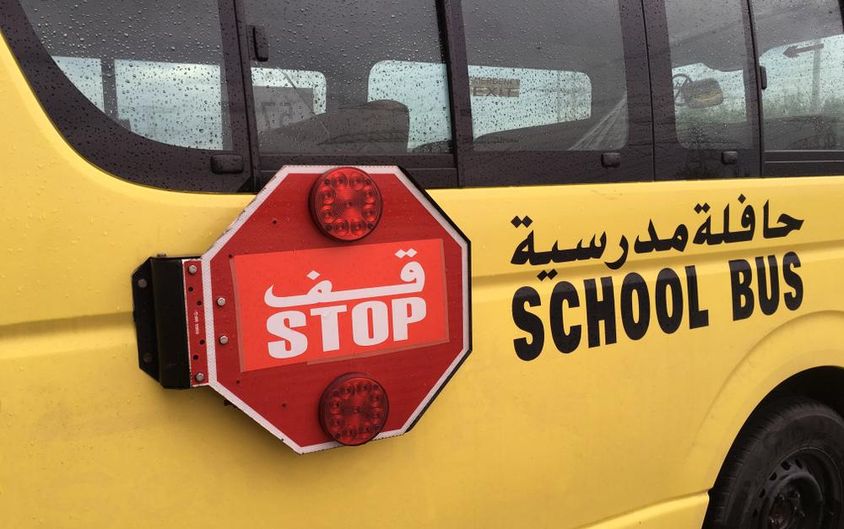
School Bus Stop Sign in Abu Dhabi: Heavy Fines for Careless Drivers
In the United Arab Emirates, streets have once again filled with yellow school buses as students return to school after the winter break. On the streets of Abu Dhabi, these vehicles receive special attention as the safety of school buses – and, by extension, child protection – is a top priority for the authorities. The Abu Dhabi Police have launched not just an awareness campaign but have also introduced severe penalties for those who ignore buses with STOP signs.
The Significance of the STOP Sign on School Buses
The STOP sign placed on the side of the iconic yellow school buses is not just a recommendation: it is a clear instruction for drivers to stop as soon as the bus stops and the sign opens. The bus driver activates the sign when children are boarding or alighting – a moment when there is the greatest risk for accidents caused by inattentive drivers.
The rule is simple, yet often ignored: when a school bus stops and the STOP sign is open, drivers approaching from all directions must stop at least five meters away from the bus. This is especially important on one-lane roads, where stopping is mandatory for those coming from the opposite direction as well. On two-lane roads, the stopping obligation applies only to those traveling in the same direction, but maintaining a five-meter distance is also required.
Severe Consequences: Fines and Black Points
The Abu Dhabi Police strictly enforce these rules. Drivers who ignore a school bus STOP sign can expect a fine of 1,000 dirhams and receive 10 black points on their driving license. This points system is part of the UAE traffic regulations, where accumulating black points can lead to the suspension or revocation of a driver's license.
It's important to highlight that the police do not solely rely on patrols to enforce compliance; they use automated systems as well – cameras and sensors monitor vehicle movements around school buses. The goal of automated surveillance is to ensure action is taken not just when an officer witnesses a violation, but every time a driver potentially endangers children.
Return to School: New Year, New Challenges
This school year's start holds special significance as it is the first to begin under the new, unified school calendar. More than a million students returned to schools after a one-month winter break, necessitating new traffic routines, especially during the morning and afternoon hours when traffic increases.
Parents, teachers, and authorities alike hope that community awareness and adherence to new rules will contribute to child safety. Complying with school bus-related regulations is not only a legal obligation but also a moral responsibility – as every child has the right to reach school and return home safely.
Future Changes: Friday Schedule and Admission System
While currently the focus is on traffic rules, parents and schools are already looking ahead to changes planned for the 2026-27 school year. One of the most significant adjustments will be the transformation of Friday school days. To accommodate altered prayer times, several schools are adjusting their Friday schedules – in most cases, meaning that classes will end at 11:30 or as late as 11:45.
This change will primarily affect families' daily routines: parents will have to adapt to the new schedule, which could pose challenges in coordinating work hours and school programs. Schools are also redesigning logistical and staffing processes to ensure that the new timing does not compromise teaching efficiency.
In addition, the school admission system is expected to change, incorporating more digital elements to streamline the application and administration process.
Summary: Traffic Awareness and Systemic Transformation
Abu Dhabi sets a strong example of how traffic discipline can contribute to the safety of school children. The school bus STOP sign is not merely a technical device but a warning to all commuters that protecting children is a shared responsibility. Those who disregard this face serious consequences – legally and morally.
While the reopening of schools is a joyous event, it also offers an opportunity to collectively rethink our traffic habits and prioritize responsible driving. The UAE's traffic policy clearly states: children's safety comes before everything else, and they will enforce it – whether through penalties or technological innovations.
However, the changes do not stop here: the education system continues to evolve, adapting to social and religious needs. The new Friday schedules, digital admission systems, and unified school year structures all indicate that the UAE places emphasis on safety and innovation both in education and transportation.
(Source: Based on Abu Dhabi Police statement.)
If you find any errors on this page, please let us know via email.


