2026: Cosmic Wonders in the UAE Sky
2026 in the Sky: Supermoons, Meteor Showers, and the Special Blue Moon for UAE Residents
As the fireworks slowly faded from the sky and Dubai returned to everyday life, the new year is preparing to dazzle residents with a different, quieter but no less spectacular show. Nature is bringing its own celestial performances in 2026, featuring special supermoons, rare meteor showers, and even a blue micromoon. Those with a penchant for astronomy or simply an appreciation for nature's spectacular phenomena will find it worthwhile to gaze at the sky from any point in the UAE this year.
The Year of Supermoons
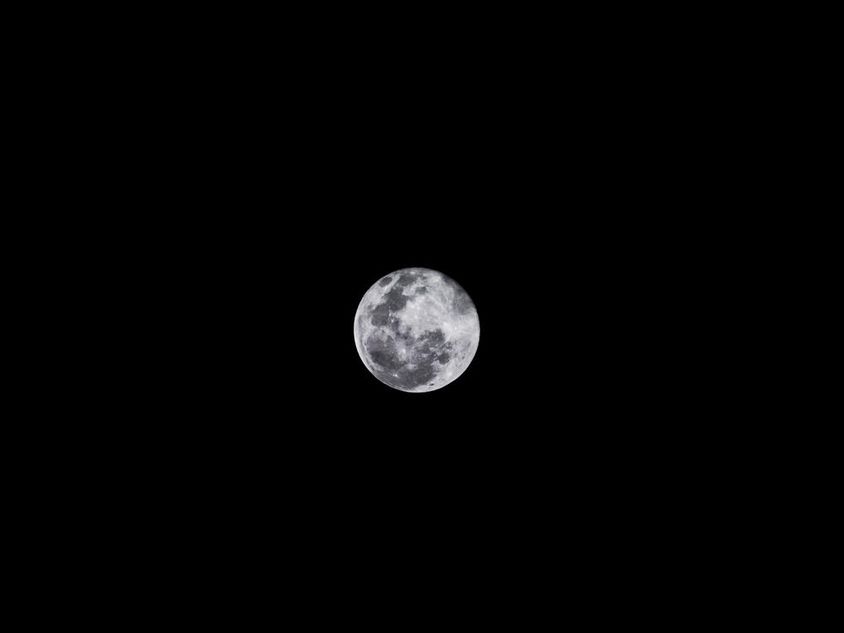
The year 2026 not only kicked off with fireworks but also with a special celestial event: the so-called Wolf Supermoon appeared on January 3. This supermoon was not only a full moon but was particularly close to the Earth, making it appear larger and brighter on the horizon than usual. Additionally, it coincided with another phenomenon, the Quadrantids meteor shower, guaranteeing a spectacular view in the early morning hours.
Following this, on May 31, one of the most intriguing events occurs: the blue micromoon. The term may be misleading, as this moon is not blue in color – the name refers to the rare occurrence of two full moons in the same calendar month. May 2026 is particularly unique in this regard. Moreover, this micromoon is not a supermoon but quite the opposite: it will be a little further from Earth, appearing smaller and dimmer. The next such event will only be observable at the end of 2028.
Towards the year's end, two more supermoons are expected. One of them is the Beaver Supermoon, which arrives in November after a long pause. These late autumn moons are particularly bright because the atmosphere is clearer and drier than in the summer, making them ideal for observation.
The closest and brightest supermoon will arrive in December: the Cold Supermoon will be 2026's most spectacular full moon. It will come closer to Earth than any moon since 2019. With a clear sky, this moon phase will indeed offer a breathtaking sight.
Meteor Showers: Streaks of Light in the Sky
If the moon is not enough, several meteor showers throughout the year will illuminate the UAE's night sky. These events are often forgotten but are incredibly spectacular natural phenomena, occurring when Earth's orbit crosses paths with space debris, burning up in the atmosphere with glowing trails.
The first significant meteor shower is the Quadrantids, peaking on January 3-4. This is one of the year's strongest meteor showers, with up to 120 meteors visible per hour, mainly between 2 and 3 AM. These meteors are particularly bright and fast, worth getting up early or staying up late to witness.
In April, the Lyrids appear, introducing relatively slow-moving meteors. Their most interesting feature is that they occasionally produce fireballs – these can be so bright that they cast shadows and may even produce sound. They peak on April 22-23.
In August, the summer sky will once again offer a special sight: one of the year's most famous meteor showers, the Perseids, reaches its peak. On August 12-13, it's worth grabbing a blanket and some cold drinks, and observing the sky away from city lights, as up to 100 meteors per hour, trailing long, bright tails, can be seen.
Autumn does not leave us without events either: the Orionids flash on October 21-22, known for their speed and association with Halley's Comet. Following this, the Leonids take over on November 17-18. While nowadays they seldom produce spectacular storms, one can still expect a few bright streaks and glowing trails.
The year's last major event will be the Geminids meteor shower on December 13-14. Not only is this one of the most reliable meteor showers, but it often results in colorful fireballs as well. Additionally, the weather favors observation during this time in the UAE's desert climate: a clear, starry sky is expected.
Where and How to Observe?
The UAE provides ideal terrain for observing celestial phenomena. In the desert, far from city lights, such as around Al Qudra or Liwa, one will find a nearly perfect clear sky for those willing to travel and stay awake in the early hours. Using mobile applications that forecast optimal viewing times and directions is recommended. Telescopes are generally unnecessary, as the spectacle is impressive to the naked eye.
For moon observation, often simply heading to the outskirts of the city suffices – Dubai's suburbs, such as Al Khawaneej or even Hatta, can be good spots. Those wishing to remain in the city but still partake in the experience may often find organized astronomical events or community observation gatherings.
Summary
The year 2026 will be one for skyward gazes in the UAE. Those attentive this year can enrich themselves with vibrant experiences and spectacular natural phenomena. The supermoons, meteor showers, and the rare blue micromoon are not only spectacular but also offer an opportunity to reevaluate the wonders of nature – while quietly watching the sky's movement, far from urban noise.
(Based on information from the Dubai Astronomy Group's announcement.)
If you find any errors on this page, please let us know via email.