Weather Shift in UAE: Rising Temperatures and Dusty Winds
Weather Shift in UAE: Rising Temperatures and Dusty Winds
Increasing Heat and the Prelude to Summer
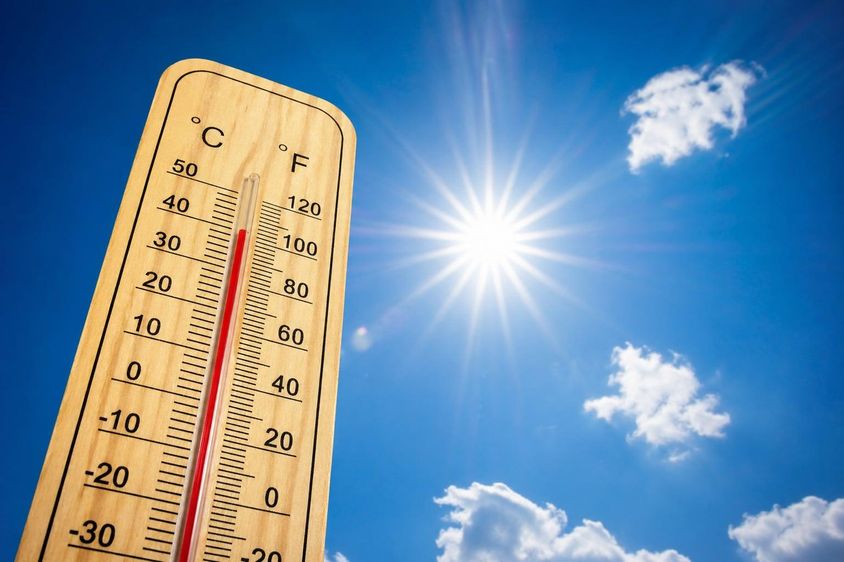
The UAE's weather has once again entered a phase that clearly demonstrates how swiftly the region can transition from the more pleasant spring conditions to a distinctly hot summer environment. According to current forecasts, daytime temperatures could rise to as high as 42°C nationwide, which can be regarded as a clear harbinger of the summer season. Although this may not surprise many, the sudden rise in temperature always has a significant impact on daily life, particularly on outdoor activities and transportation.
In Dubai, the daytime peak temperature is expected to hover around 37°C, while in Abu Dhabi, it could reach as much as 39°C. There's little reprieve during nighttime, with temperatures in Dubai staying around 27°C and Abu Dhabi close to 28°C. This temperature range not only affects comfort levels but also significantly increases energy consumption since air conditioning becomes practically indispensable.
Partly Cloudy Skies and Variable Visibility
One key characteristic of the current weather situation is partly cloudy skies. At first glance, this might seem favorable, as clouds can occasionally mitigate the intensity of the sun's rays; however, the reality is more complex. The cloud cover does not provide real cooling, merely temporary shade, while high humidity further amplifies the heat perception.
Wind conditions also play a decisive role. Northeasterly and northwesterly airflow is generally mild or moderate but can occasionally strengthen and reach speeds of up to 40 km/h. These gusts can become particularly disruptive in open areas and along highways.
One of the most important consequences of the wind is the stirring up of dust. In the UAE, this is not an uncommon phenomenon, but each occurrence significantly affects visibility. Dust and fine sand particles suspended in the air reduce horizontal visibility, which poses a risk to commuting. This can become especially problematic in the early morning and evening hours when light conditions are inherently less than ideal.
Wind and Dust: The Invisible Challenge
Dust-laden air not only complicates transportation but can also impact health. Fine particles may irritate the respiratory tract, especially for those who are sensitive or suffer from allergies. It is often advisable to reduce outdoor activities and apply proper protection during such times.
Dubai and other major cities in the UAE are prepared for such phenomena, but dust storms and stronger gusts can still cause disruptions. Construction activities, which are constantly present in the region, can further contribute to the increase in dust concentration.
Marine Conditions: Changing from Calm to Variable
Marine conditions also form an important part of the current weather scenario. In the Arabian Gulf and the Gulf of Oman, the water surface is generally mild or moderate; however, sudden changes can occur, resulting in strong wave activity.
This poses a challenge particularly for smaller vessels and leisure water activities. For fishers, tourism service providers, and water sports enthusiasts, it is crucial to closely monitor forecasts. Sudden strengthening winds can quickly alter marine conditions, creating dangerous situations.
Adaptation to Everyday Life
Adapting to such weather conditions is already part of the daily routine in the UAE. Residents and businesses alike are prepared for the heat and the volatile environment. Outdoor work often concentrates during limited periods, while indoor activities become more prevalent.
In Dubai, it is particularly visible how infrastructure has adapted to the climate. Air-conditioned transportation systems, shopping centers, and offices allow daily life to continue uninterrupted, even under extreme temperature conditions.
However, the combination of heat and dust continues to pose a challenge. Cars get dirty faster, outdoor surfaces require constant cleaning, and technical devices are more exposed to environmental impacts.
What the Next Period May Bring
Current weather trends suggest that the UAE is gradually entering the summer period, characterized by even higher temperatures and more intense humidity. The current peak value of 42°C is only a precursor to a period where temperatures consistently exceed this level.
The presence of wind and dust may also persist, and could even increase during certain times. This particularly depends on regional atmospheric processes that affect airflow and dust movement.
The variability of marine conditions may also continue, which requires continued attention from all involved.
Summary: Balancing Between Extremes
The UAE's weather again shows that in the region, extreme and unpredictable often go hand in hand. Partly cloudy skies, rising temperatures, dusty winds, and variable marine conditions together shape the environment that locals must adapt to daily.
Dubai and the surrounding cities have infrastructure capable of handling these challenges, but the power of nature remains a determining factor. In the coming weeks, the summer-like characteristics are expected to intensify, further testing both people's and systems' adaptability.
If you find any errors on this page, please let us know via email.


