US Dollar Soars Amid Middle East Tensions
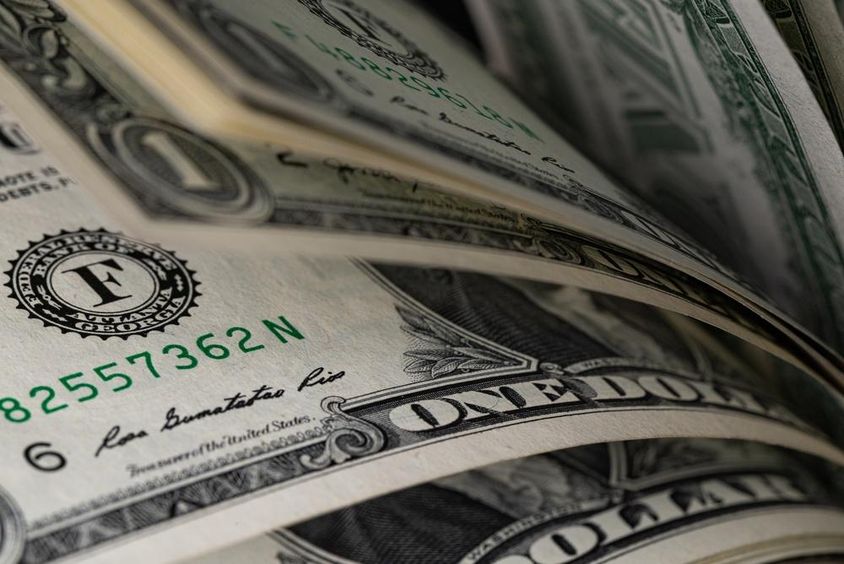
The Rise of the US Dollar Amid Middle East Conflict
Global financial markets are highly sensitive to geopolitical events that generate uncertainty in the world's economy. The escalation of the Middle East conflict has once again highlighted how quickly investors can turn towards safe-haven assets. The US dollar has shown significant strengthening in recent days, reaching multi-month highs against the euro, pound, and Japanese yen. Behind this movement lies not only immediate uncertainty but also the expectation that a prolonged conflict could generate sustained inflationary pressure worldwide.
The dynamics of currency markets are always complex, but in the current situation, it is clear that investors are seeking stability. When global risk appetite decreases, capital often flows towards the US dollar. This is partly because the financial system of the United States remains one of the world's largest and most liquid markets, and US Treasury bonds are traditionally considered a safe investment.
Search for Safety and Inflation Fears
The tension in the Middle East primarily affects the global economy through energy prices. If the conflict impacts oil and gas shipping routes, or even if market participants fear it might, it immediately reflects in the prices of energy carriers. Higher oil prices directly increase transportation, manufacturing, and production costs, which can lead to inflationary pressure.
Investors are therefore pricing in not just current events, but also future impacts. If the market expects global inflation to remain persistently high, the anticipated actions of central banks will also influence currency exchange rates. The strengthening of the US dollar is partly supported by the expectation that US monetary policy might remain stricter for a longer period than in other major economies.
Economic prospects in the Eurozone and the United Kingdom are currently more fragile, making investors feel less confident about these regions amid rising geopolitical risks. While the Japanese yen is also traditionally a refuge currency, its particular monetary policies have prevented it from strengthening against the dollar.
Global Dominance of the Dollar
A significant portion of international trade is conducted in dollars, particularly in energy markets. This ensures structural demand for the US currency. When uncertainty arises in the Middle East region, movements on the oil market automatically amplify the role of the dollar. Investors and companies engage in hedging, currency exchanges, and liquidity searches—all increasing demand for the dollar.
Current forex movements have resulted in multi-month highs against the euro, pound, and yen, indicating not merely transient fluctuations but deeper, structural concerns within the market. However, while the dollar’s strengthening can provide security for investors, it can pose serious challenges for emerging markets.
Impact on Emerging Markets
A strong dollar increases the cost of financing dollar-denominated debt. Many developing countries heavily rely on external, dollar-based resources. As the dollar strengthens, debt servicing costs rise, which could result in fiscal pressures. Additionally, changes in commodity prices can significantly impact these economies.
A decline in global investment sentiment could lead to capital withdrawal from riskier assets. In such times, stock markets and emerging currencies may weaken, while demand for the dollar and US Treasury bonds increases. This process can perpetuate itself, especially if the conflict continues.
Regional Consequences and Dubai’s Role
Economic centers in the Middle East, including Dubai, are in a unique position. On one hand, the region has a stable and developed financial infrastructure, but on the other hand, it could be directly affected by geopolitical risks. In recent years, Dubai has consciously built itself up as a global commercial and financial hub that can adapt to fluctuations in international markets.
A strong dollar is critically important for Dubai for several reasons. Since the currency of the United Arab Emirates is pegged to the US dollar, the dollar's global strength directly impacts the local economy. This provides stability for the financial system but could influence import costs and competitiveness.
The current situation presents both challenges and opportunities for the region’s financial centers. In uncertain times, investors seek reliable, regulated, and liquid markets. Dubai has taken significant steps in recent years to provide such an environment, whether related to capital markets, the banking system, or innovative financial solutions.
What the Future Holds
The strengthening of the dollar could continue as long as geopolitical uncertainty persists and the market expects inflationary pressure and tighter monetary policy. However, currency markets quickly respond to new information. Diplomatic easing or de-escalation of conflict could trigger swift corrections.
The most critical question for investors is whether the current tension is a short-term shock or will permanently reshape the global economic environment. The development of energy prices, central bank decisions, and geopolitical developments will all be decisive.
This situation is a reminder of how interconnected the world economy is. The impact of a regional conflict can appear on currency markets, stock indices, and commodity prices within minutes. The current strengthening of the US dollar is one of the most visible signs of this global interconnection.
The key issue in the coming period will be how well markets can price risk and how economic policymakers can stabilize the situation. Until then, safety remains the primary concern for investors, which will continue to bolster demand for the US dollar.
If you find any errors on this page, please let us know via email.