Unpredictable Weather in UAE: Rain and Dust Ahead
Unpredictable Weather in UAE: Rain and Dust Ahead
An unstable weather situation is developing in the Emirates.
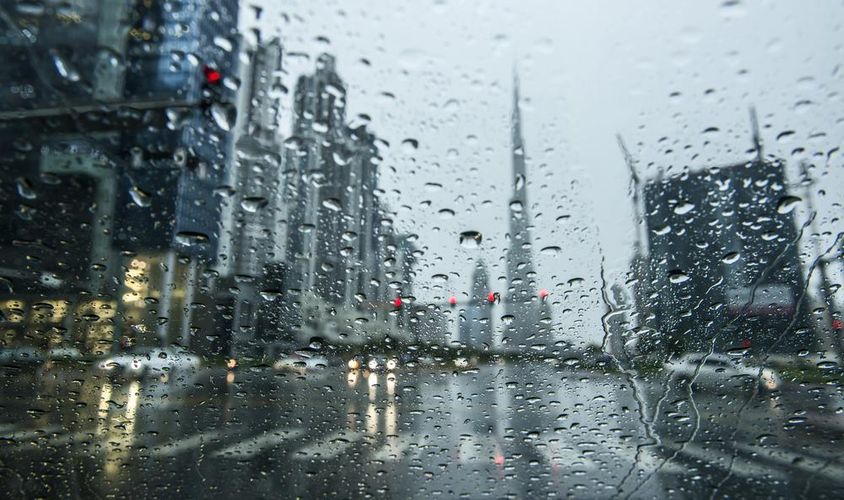
The UAE's weather is once again displaying a face that might surprise many, especially those who associate the region exclusively with sunshine and stable warmth. However, significant changes are expected in the coming days: rain, strengthening winds, and dust storms will all have an impact on daily life.
According to meteorological forecasts, the weather will remain unstable on Thursday and Friday, which means this is not a brief, quickly passing phenomenon, but a complex atmospheric process lasting several days. This type of weather is rarer, but not unprecedented in the UAE, and is generally linked to changes in atmospheric pressure and the influx of moist air masses.
Cloudy skies and convective precipitation
The sky is expected to be partly cloudy and sometimes heavily overcast, accompanied by the development of convective clouds. These clouds often form quickly, bringing intense but locally varying rainfall. This means that while one area might receive just light rain, a few kilometers away significant showers could develop.
This type of precipitation is particularly characteristic of the spring transitional period when daytime warming and higher humidity together create unstable atmospheric conditions. As a result, varying intensities of rainfall can develop in different parts of the UAE, posing challenges for transportation and urban infrastructure.
Wind and dust: diminished visibility
One of the most important elements of the weather in the coming days will be the wind. Coming from the southeast and northeast, the movement of air is typically light or moderate, but it can become particularly strong, especially during periods of cloudiness.
Wind speeds can reach 15–30 km/h, but in some areas gusts may reach up to 60 km/h. This is enough to lift dust and sand into the air, significantly reducing horizontal visibility.
This phenomenon is particularly important for road users, as sudden dust clouds on highways and open areas can create dangerous situations. Due to deteriorating visibility conditions, increased caution is advisable, especially for those planning longer trips.
Temperature fluctuations: surprising differences
The temperature developments also present an interesting picture. In some areas, the minimum temperature could drop to 13°C, which is considered quite cool by UAE standards. Meanwhile, in other regions, daytime highs could reach 32°C, approaching the warmer values typically experienced.
This significant temperature fluctuation highlights just how variable the current weather situation is. In major cities like Dubai, Abu Dhabi, and Sharjah, daytime peak temperatures are uniformly around 32°C, while nighttime minimums range between 21–22°C.
This relatively mild nighttime cooling might provide a more pleasant environment, but due to the difference between daytime and nighttime temperatures, adaptation is an important consideration.
Sea conditions: from calm to stormy
Changes are not only expected on land but also at sea. In the Arabian Gulf and the Oman Sea region, the water initially shows mild or moderate waves, but during cloudy periods, the sea can become particularly stormy at times.
This information is especially important for navigation and water sports. Due to rapidly changing conditions, smaller boats and recreational activities carry greater risks, so it is worth considering current forecasts during planning.
What does this mean in everyday life?
This type of weather in the UAE is not just a meteorological curiosity but affects many areas of daily life. Transportation can slow down, outdoor activities might become uncertain, and the rhythm of urban life may slightly transform.
Due to wind and dust, construction work, outdoor tasks, and logistical processes may also become more difficult. Additionally, rainfall – although often brief – can also cause water accumulation in some places, posing a problem, especially in lower-lying areas.
A lesser-known face: the dynamics of UAE weather
Many tend to imagine the UAE as a static, always sunny, and predictable climate region. However, such periods highlight that the reality is much more complex. During transitional periods, atmospheric systems behave more dynamically and can bring significant changes in a short time.
This type of variability does present challenges but also demonstrates the diversity of the region's weather. The combination of rain, wind, and temperature fluctuations creates a complex system that requires continuous adaptation by the inhabitants and infrastructure alike.
Conclusion
The weather in the UAE in the next few days well illustrates that behind the usual sunny picture lies a much more varied and dynamic climate. The combination of rain, strong winds, and dust is not only spectacular but also has a significant impact from a practical perspective.
Those living in or traveling to the region should prepare for this variable period, as conditions can change rapidly. This weather situation also serves as a reminder that even the most seemingly stable climates can hold surprises.
If you find any errors on this page, please let us know via email.


