Unlock Longevity: The Cell Secret
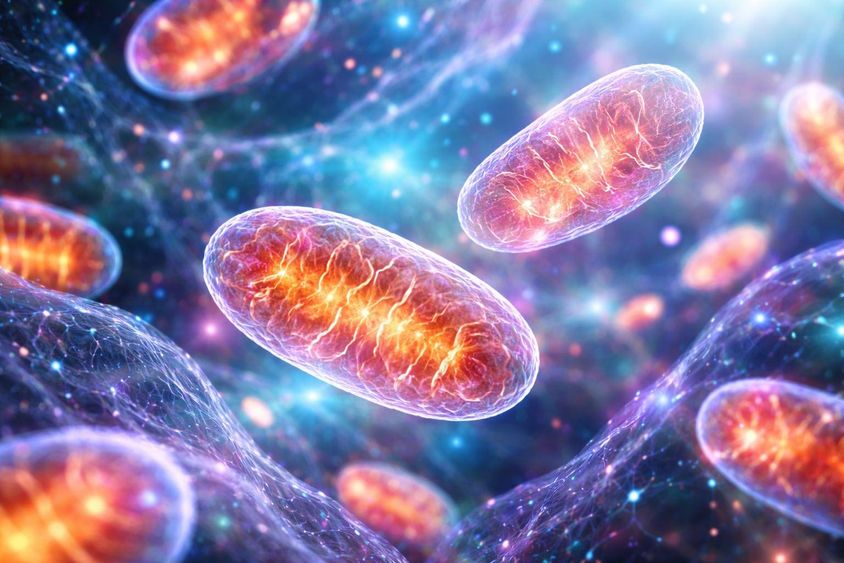
The Key to Longevity May Lie in Our Cells
In recent times, the question of longevity has increasingly come to the forefront, accompanied by the name of a tiny yet highly significant organelle: the mitochondrion. In scientific circles, it has been known for decades that mitochondria play a key role in energy production, but they have now emerged in public discourse as a potential key to aging. The question arises: are mitochondria truly behind aging, and can we influence their functioning to extend our lifespan?
Mitochondria: The Power Plants of Cells
One of the most well-known statements from biology classes is that mitochondria are the powerhouses of the cell. This is no exaggeration. These tiny structures convert nutrients from food into adenosine triphosphate, or ATP, which is the primary energy source for cells. Every movement, thought, and heartbeat relies on ATP.
However, research in recent years has highlighted that the role of mitochondria is far more complex. They participate in the functioning of the immune system, produce signaling molecules, and play a crucial role in cell "maintenance." They do not just generate energy but also regulate the cell life cycle.
The Decline of Mitochondria and Aging
As we age, the number and efficiency of mitochondria in our cells diminish. One reason is that as a byproduct of energy production, so-called reactive oxygen species are formed. These molecules can damage mitochondria and other cell components as well.
In youth, the cellular repair and recycling system efficiently removes damaged elements. Over time, however, this system weakens. Damaged components accumulate, cellular functioning declines, and this process can ultimately lead to cell death. Some theories suggest that this gradual deterioration may contribute to the development of diseases such as neurodegenerative disorders or certain cancers.
Cause or Consequence?
One of the most important questions in science right now is whether mitochondrial dysfunction causes aging or is merely a consequence of it. It is conceivable that mitochondria become "sick" due to the general deterioration of cells, not vice versa.
This debate is not merely theoretical. If mitochondrial decline is truly one driver of aging, targeted interventions might be able to slow the process. If, however, it is only a symptom, then the focus needs to shift elsewhere.
Exercise: The Natural Booster for Mitochondria
What we do know for sure is that lifestyle affects mitochondrial health. Regular exercise is one of the strongest evidence-based methods for improving mitochondrial function.
Studies have shown that after just a few weeks of an exercise program, the number of mitochondria in muscle cells increases and their function improves. Both endurance and strength training are effective, but a combination of the two provides the greatest benefit. During exercise, mitochondria are exposed to mild stress, encouraging the body to produce new, more efficient units.
This process is not limited to muscles alone. Regular physical activity improves insulin sensitivity, supports cardiovascular health, and contributes to overall vitality.
Nutrition and Cellular Energy
Mitochondrial function directly depends on what we eat. Both glucose from carbohydrates and fatty acids from fats serve as fuel for them. Balance is essential: fiber-rich carbohydrates, quality fats, and sufficient protein ensure stable energy production.
Micronutrients, particularly B vitamins and certain antioxidants, are also important for mitochondrial processes. However, this does not mean that uncontrolled intake of dietary supplements is the solution. A balanced, varied diet provides a much more reliable foundation.
In recent years, substances thought to enhance mitochondrial function have gained popularity. These include coenzyme Q10, urolithin A, and NAD+ boosting preparations. While promising results have been obtained in animal studies, unequivocal, clinically significant effects have not yet been demonstrated in human research.
Sleep as a Rejuvenating Force
Sleep is not just rest. During the night, a "spring cleaning" occurs in cells, including mitochondrial repair and removal of damaged components. The daily seven to eight hours of sleep is not a luxury but a biological necessity.
In the case of chronic sleep deprivation, cellular regeneration is incomplete, which can accelerate cellular aging in the long term. A regular sleep schedule, a dark, quiet environment, and reducing the use of digital devices before bed all contribute to mitochondrial health.
Trendy Interventions and Reality
Ice baths, saunas, and red light therapy are frequently mentioned as tools to stimulate mitochondria. However, most of these claims are based mainly on experiments conducted on cell cultures or animals. The specific long-term effects on human health are still unclear.
The situation is similar with the excessive supplementation of antioxidants. Some studies suggest that high doses of antioxidant supplements may even impair adaptation processes initiated by exercise.
What Can We Learn from All This?
Mitochondria undoubtedly play a central role in health and the aging process. However, the secret to longevity does not reside in a single molecule or capsule. The processes occurring at the cellular level are incredibly complex, resulting from the entirety of one’s lifestyle.
Regular exercise, a balanced diet, proper sleep, and reducing chronic stress are all proven factors that support mitochondrial function. These are not spectacular, quick fixes but the results of consistent, long-term decisions.
Thus, the question of longevity likely does not revolve around a single organelle, yet studying mitochondria brings us closer to understanding how to maintain our vitality. The answer may indeed lie deep within our cells—but the key remains in our everyday habits.
If you find any errors on this page, please let us know via email.


