Unexpected Frost in UAE: Shivers in the Desert
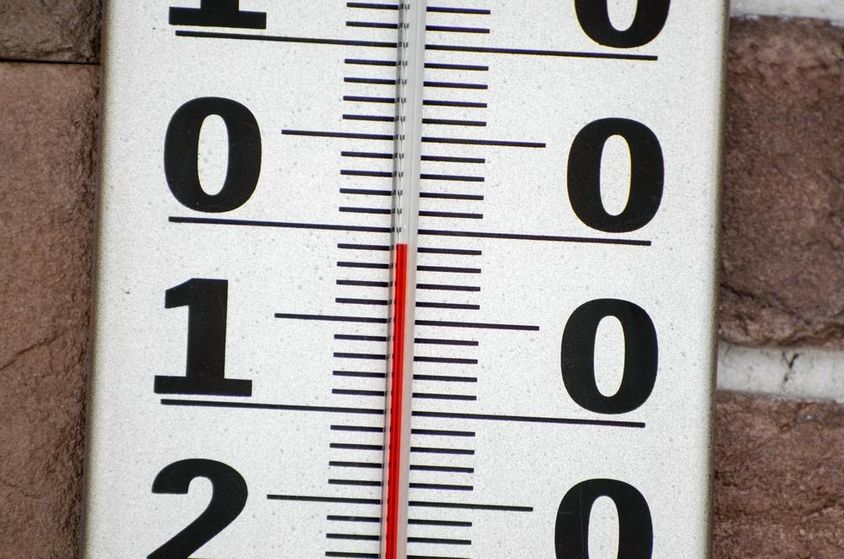
Frosty Morning Near Dubai: Temperatures Drop Below 1°C in the Raknah Region
When thinking of the desert climate of the United Arab Emirates, scorching summers and warm, sunny winters usually come to mind. However, from time to time, unique weather phenomena occur that surprise even those living there. One such event was the frosty morning when, north of Al Ain city, in the Raknah region, early morning frost formed after temperatures dramatically dropped due to cold winds. In some areas, the measured values approached the 1°C mark, which is extremely rare and remarkable in this region.
Impact of the Cold Wave on Temperature
The frosty phenomenon was caused by the aftereffect of a recent weather front, which brought cooling and strong winds to several parts of the country. Such weather systems usually pass through the region quickly, but the cold air left behind can cause drastic temperature drops, especially at night and early morning.
The vicinity of Raknah is particularly sensitive to such changes. The sandy soil loses its heat quickly, especially when the sky is clear and cloudless, allowing heat to escape via radiation. In such cases, especially during the pre-dawn hours, an "inversion layer" forms: the air near the surface is colder than higher up. This creates an ideal environment for frost formation.
Significance of Field Observation
While official weather stations in the country indicated temperatures around 4°C, field measurements showed that the actual temperature was even lower. For instance, in Raknah, temperatures close to 1°C were recorded in places where metal surfaces, greenhouses, and other rapidly cooling objects prominently showcased frost.
This type of field measurement often provides a more nuanced picture of the local microclimate than official forecasts. Weather enthusiasts frequently visit these cooler areas, especially in winter, to document such rare events.
Historical Context on Extreme Cold
Although this year’s frost formation was special, it is not unprecedented. In 2021, even more extreme values were recorded in the same region. Field measurements then showed -7°C, while official stations registered "only" -2°C. This highlights that significant cold can occur in the desert, against all preconceptions, if the weather conditions are suitable.
Why Raknah?
The geographical location and terrain of Raknah create a unique microclimate. The region is situated among sand dunes, which act as natural "cold traps." The cold air gets trapped between the dunes, and the heat escapes quickly through the sand. This combination makes Raknah particularly susceptible to frost formation, especially in the pre-dawn hours when temperatures typically are at their lowest.
What Might Winter Bring to the UAE?
Though snowfall is rarely heard of in the Emirates, such frosty mornings prove that winter can still hold surprises. According to local meteorological and astronomical organizations, such occurrences are always linked to cold fronts. These typically last only a few days, and their effects do not extend throughout the year, but they serve as a warning that another cold wave could bring frosty mornings again.
Regular observation is therefore not only scientifically interesting but also practically useful, particularly concerning agriculture and the built environment. Such temperature fluctuations can affect crops, greenhouses, and even the operation of cars and metal structures.
Winter in the Desert: Experience or Challenge?
Such weather phenomena remind us that the desert climate is not solely about heat. Daytime and nighttime temperature differences can be extreme and are even more noticeable during cooler periods. Raknah and the area around Al Ain are excellent examples of how a desert landscape can be sensitive to seasonal changes.
For tourists, such rare phenomena are intriguing, while for locals, it serves as a reminder that greater caution is needed during such times — especially in agricultural areas or outdoor work. The frost forming on metallic surfaces can even pose safety hazards, such as frozen car windows greeting drivers in the morning.
Conclusion
The first winter frost experienced in the Raknah region demonstrates that the UAE boasts more varied weather than one might initially think. Sandy areas can cool rapidly, especially on clear, calm nights, and local microclimates can produce significant variations compared to official measurements.
Though winter is short and relatively mild in the Emirates, such periods remind us that nature can surprise us anywhere — even near Dubai, where most seek only sunshine and warmth. Therefore, visitors to the region during this time should remember: you might need not just sunscreen, but also a warm sweater, especially at dawn.
(Based on a statement from the National Center of Meteorology (NCM).)
If you find any errors on this page, please let us know via email.


