UAE's Summer Blaze: Forty Days of Intense Heat
The UAE's Hottest Summer Period Begins
On July 3, the United Arab Emirates officially enters its hottest and driest time of the year, traditionally called “Jamrat Al Qayth” in the region. This term refers to the peak of summer heat, a 40-day period characterized by daytime temperatures, dry air, scorching sunshine, and desert winds that challenge the residents. This period is expected to last until August 10 and affects not only the UAE but much of the Arabian Peninsula.
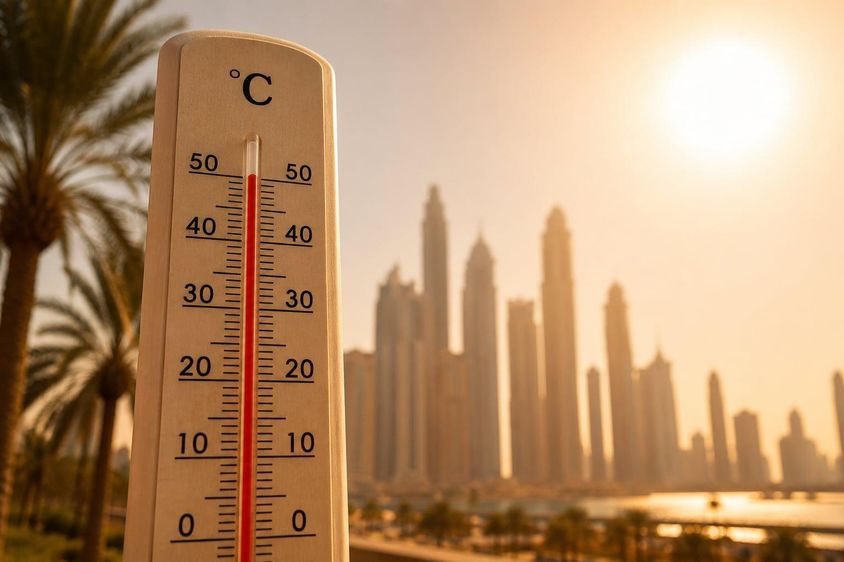
Summers in the country are always intense, but this phase is particularly distinct even compared to the usual heat. Coastal cities, such as around Dubai, often experience daytime temperatures ranging between 41–43°C, while in the interior desert areas, temperatures frequently rise above 45–46°C. During heatwaves, some interior regions may even exceed 50°C. This is not merely a summer warmth; it's an environmental burden that requires mindful adaptation.
The start of “Jamrat Al Qayth” is traditionally linked to astronomical observations. The old weather and seasonal systems of the region often tied the rhythm of agricultural, maritime, and desert life to changes in the sky. This period begins with the first stars of the Gemini constellation appearing on the eastern horizon before dawn. In modern urban life, these are more of a cultural and meteorological curiosity to many, but in local tradition, it remains an important signal of the start of the harshest part of the summer.
The 40-day period is considered the most intense phase of summer. The air is often dry during this time, the solar radiation is extremely strong, and hot, dry desert winds known as “samoom” can appear. These winds can make outdoor activities particularly uncomfortable because they do not cool the body but instead intensify the sensation of heat. Anyone outdoors for extended periods must take seriously not only the temperature but also the risks of dehydration, sunstroke, and heat exhaustion.
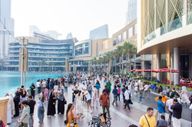
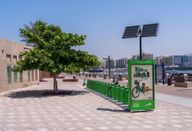
Dubai and the larger cities of the UAE have made significant developments in recent years to manage the extreme summer weather. Air-conditioned metro stations, shopping malls, covered pedestrian pathways, climate-controlled bus stops, and shaded public spaces are all intended to ensure that urban life doesn’t completely halt during the hottest months. Nevertheless, during “Jamrat Al Qayth,” the daily rhythm noticeably shifts. Many people schedule tasks earlier in the day, delay walks until late evening, and move outdoor sports to indoor gyms or early morning sessions.
The heat affects not only people but also objects, vehicles, and buildings intensely. Metal surfaces, cars, handles, steering wheels, seatbelt buckles, and other objects left in direct sunlight can heat up to around 70°C. This can be especially dangerous if someone leaves children, the elderly, pets, or sensitive items in a parked car. Even for short periods, the temperature inside a closed vehicle can become life-threatening very quickly.
This period demands extra attention from drivers. Tires, cooling systems, batteries, engine oil, and air conditioning systems are under much greater stress during this time. The hot asphalt and longer highway drives can increase the risk of tire blowouts or mechanical failures, particularly if the car isn’t adequately prepared for summer conditions. A simple mechanical failure on Dubai's roads and in the country's internal routes can be much more unpleasant due to the heat, as waiting on the roadside in temperatures over 45°C is a serious strain.
This peak summer period also significantly impacts work activities. In the UAE, special regulations protect outdoor workers during the hottest months because the midday and early afternoon heat is particularly hazardous. On construction sites, during maintenance work, delivery services, roadworks, and outdoor services, providing proper breaks, hydration, and shaded or air-conditioned rest areas is not just a comfort measure but a health and safety necessity.
The occurrence of heatwaves can vary each year. In some summers, only minor deviations from the usual seasonal average occur, while in other years, several stronger heatwaves might be seen. A heatwave is typically declared when the temperature exceeds the normal average for a given period by about four degrees. In the UAE, this represents a significant deviation, given that the baseline figures are already extremely high.
“Jamrat Al Qayth” is not just about dry heat. Towards the end of this period, the region’s weather can gradually change. Moist air masses arriving from the Arabian Sea and trade winds can increase humidity, especially in the Hajar Mountains region. The rise of warmer, moisture-laden air can lead to the formation of cumulus clouds in certain areas, causing local weather activity in some mountainous regions. This doesn’t mean the heat suddenly dissipates; rather, occasionally more humid and heavier air conditions may accompany the dry, scorching weather.
The period often comes with optical and atmospheric phenomena. Mirages can appear over hot surfaces, dust storms may develop in desert areas, and visibility can sometimes diminish. This is an important factor in transportation, especially on longer desert roads, highways, or regions where dust and wind can quickly alter road conditions.
For residents, adaptation remains the primary advice. Adequate hydration, lightweight clothing, avoiding direct sunlight, reducing outdoor activities during midday hours, and regular car checks are all integral to enduring summer days. Air-conditioned spaces offer great relief, but the large temperature difference between outdoor and indoor air can also strain the body, so it's wise to manage cooling consciously.
Dubai is a unique city in that modern infrastructure and the desert climate continuously coexist. The city doesn’t stop even in the summer, but everyday life operates under different rules. Those living, working, or visiting as tourists must understand that the period from early July to mid-August isn’t the time for long outdoor programs. During this time, indoor experiences, early morning or evening activities, mindful transportation, and appropriate precautions take precedence.
Thus, “Jamrat Al Qayth” is not just a meteorological term but a defining phase of summer life in the region. The 40-day heat peak reminds us that the UAE's modern cities were built in a desert environment, and nature's rhythm still strongly influences daily life. Starting from July 3, the key message is simple: do not seek to defeat the heat; instead, adapt wisely.
If you find any errors on this page, please let us know via email.