UAE's Resilient Food Supply Chain Shines
Continuous Food Supply in the UAE: Retail Chains Strengthen Supply Lines
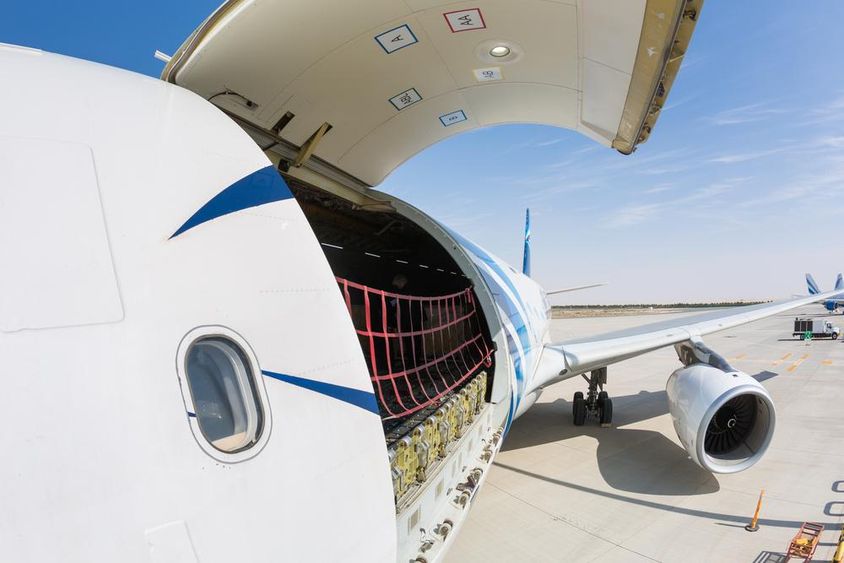
The food supply system in the United Arab Emirates has proven highly resilient in recent years and continues to operate stably despite current international uncertainties. Retail chains continuously import fresh foods and essential consumer goods into the country to ensure store shelves remain stocked under all circumstances. A significant portion of fresh meat, vegetables, fruits, and other essential foods are transported via air, often through commercial flights or specially organized cargo flights.
This logistic flexibility plays a crucial role in ensuring the country's population has uninterrupted access to daily food items, even amidst political or economic tensions in the region.
The Role of Air Transport in Food Supply
Due to the geographical features of the UAE, the country relies heavily on imported foods. While local agriculture is developing, the desert climate and limited arable land mean most fresh food still comes from abroad.
In this system, air transport occupies a particularly important role. For perishable goods like fresh meat, fish, dairy, or certain vegetables, air transport ensures that goods reach the stores in a short time.
In recent times, retail chains have paid even more attention to strengthening supply chains. They have organized more cargo flights transporting fresh food and utilize the freight capacity of existing commercial flights to increase imports. This enables fresh products to arrive in the country almost continuously.
Retail Stocks and Logistic Reserves
The retail sector in the Emirates operates with highly developed logistics systems. Large retail chains organize imports daily and maintain strategic stocks of certain essential foods for weeks or even months.
These reserves aim to ensure supply in the event of any logistical disruptions. For cereals, rice, flour, canned products, and other long-lasting foods, the country has significant warehouse capacity.
The situation is naturally different for fresh products, as these can be stored for shorter periods. Therefore, imports are continuous and dynamic, with shipping schedules often adjusted to demand.
Modern logistics centers, refrigerated warehouses, and automated distribution systems allow imported foods to quickly reach supermarkets and hypermarkets.
Quick Response of Retail Chains
Major retail chains operating in the United Arab Emirates have gained a wealth of experience in stabilizing supply chains in recent years. Global pandemics, international logistic disruptions, and regional tensions have all been situations illustrating the importance of quick response.
Retail chains therefore work with multiple suppliers simultaneously and import foods from different countries. If disruptions occur on a specific route or region, goods are sourced from other countries or via alternative transport routes.
This diversified supply model significantly reduces the risk of store shelves going empty.
Dubai's Role in Regional Food Distribution
Dubai is one of the most important logistics hubs in the region, not only playing a crucial role in domestic supply but also in the region's food trade.
The city's airport and ports rank among the world's busiest logistics junctions. Modern cargo infrastructure allows vast quantities of food to arrive daily, which can then be further distributed to supermarkets or even other countries.
One advantage of the Dubai logistics system is the fast customs clearance and advanced warehousing infrastructure. In many cases, goods reach retail distribution centers from the airport in just a few hours.
This efficiency is particularly crucial for fresh products, where every hour counts.
Consumer Confidence and Stable Supply
Stable food supply is not just a logistical issue but also critical from a consumer confidence perspective. When store shelves are constantly stocked, people are less likely to engage in panic buying.
In the Emirates, authorities and retail players regularly communicate that the supply chain is stable and that the country has adequate stocks.
Modern commercial infrastructure, international supplier networks, and advanced logistic systems all contribute to ensuring that the population does not experience shortages in basic foodstuffs in their daily lives.
The Future of Food Supply Strategy
The United Arab Emirates places significant emphasis on food security in the long term. The country's strategic goal is to reduce external risks while strengthening its global trade relations.
This includes the development of modern agricultural technologies, the emergence of vertical farms, and the expansion of intelligent logistic systems.
However, imports will continue to play a key role in the country's food supply. Fast and flexible air transport, efficient port infrastructure, and a global supplier network ensure that the UAE population will have continuous access to fresh and quality foods in the future.
Recent events have once again shown that the country's logistic system is exceptionally strong. Fresh food imports are continuous, store shelves are well-stocked, and the retail sector responds quickly to any challenges.
This stability is one reason why the United Arab Emirates—and particularly Dubai—are regarded as one of the region's most secure and reliable economic centers.
If you find any errors on this page, please let us know via email.


