UAE's Resilient Daily Life Amid Tensions
Everyday Life in the UAE Amid Rising Tensions
Recently, the geopolitical situation in the Middle East has once again come to the forefront of international attention. The news of military events and rocket attacks in the region is causing global concern, especially for those unfamiliar with the daily life in the more stable states of the area. In the United Arab Emirates, however, a rather unique picture emerges. While the news focuses on conflicts, most of life in the country continues at its usual pace. People go to work, exercise, meet friends, and, during Ramadan, participate in evening prayers and family dinners, just as they do every other year.
In the cities of the UAE, the continuity of daily life shows that society is capable of adapting to extraordinary circumstances while maintaining stability and calm.
The Rhythm of Ramadan Remains Unchanged
The month of Ramadan is always a special period in the country. Pre-dawn meals, evening iftar dinners, and late-night prayers have defined the rhythm of daily life for centuries. Despite the current situation, these traditions remain unbroken.
Before dawn, many families still prepare for the suhoor meal in the same way. The streets are quiet, but lights come on in homes, coffee brews, and family members prepare for the day together. During the day, people head to work, offices, shops, and services operate, and after sunset, the cities come alive again.
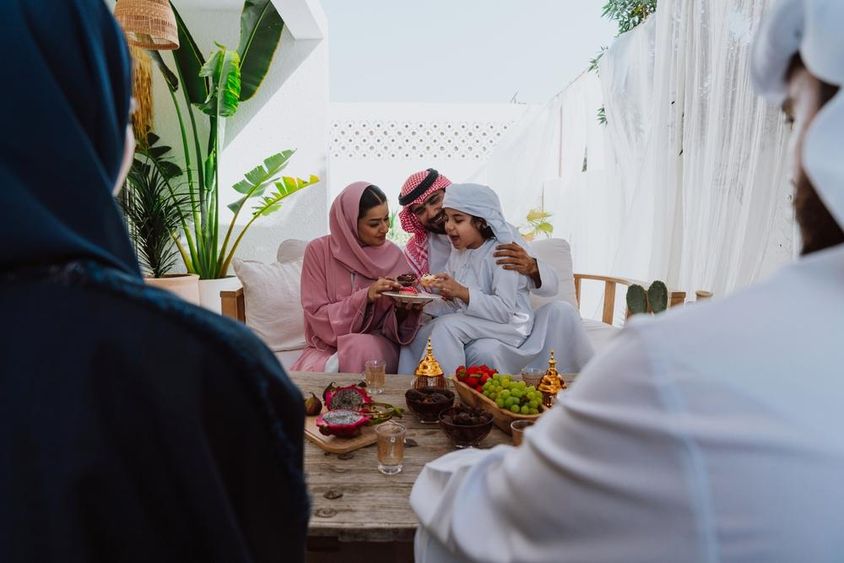
During iftar, restaurants and homes alike fill up. Friends, families, and colleagues gather to break their fast together. The evening atmosphere during Ramadan in the UAE offers the same communal experience as before.
Balancing Alerts and Everyday Life
In the current situation, residents are naturally attentive to security notifications. Alerts on smartphones momentarily pause conversations, people heed instructions, and after a few minutes, life goes on.
Many view this as a brief interruption during the day. When an alert comes, people follow recommendations, such as going indoors or staying away from windows. Once the situation is resolved, everything returns to normal.
This attitude showcases the adaptability of UAE society. Residents remain cautious yet calm, not allowing fear to dominate their daily lives.
Work, Sports, and Social Life
In the major cities, the most striking element of everyday life is that economic and social activities continue almost without interruption. Office workers head to work in the morning, workouts proceed in gyms, and shoppers are present in malls.
In the cities of the UAE, sports and an active lifestyle play a particularly important role. Gyms, sports clubs, and outdoor courts remain operational. An alert can temporarily interrupt a workout or program, but people generally resume it after a few minutes.
Social life has not come to a halt either. Cafés, restaurants, and seaside promenades are bustling with people in the evenings. During Ramadan, evening gatherings are especially common, where friends and family members spend time together after breaking the fast.
Families and Everyday Security
For families, the most important issue is naturally safety. Many parents strive to maintain a calm atmosphere at home, especially for the children. Most families implement simple precautions, such as staying away from windows during alerts or staying in safer rooms.
In such situations, maintaining calm and routine is particularly important. Children continue to go to school, families organize trips, and weekends largely unfold as they did before.
The continuity of daily life helps residents feel that the conflict does not directly define their lives.
Confidence in Security
Among UAE residents, trust in the country's defense systems plays a significant role. People are aware of a serious security infrastructure in the region, capable of responding to threats.
When residents see or hear the operation of interception systems, many regard it as evidence of protection rather than a cause for concern. This confidence greatly contributes to maintaining a calm everyday life.
Official communication and quick updates also strengthen this feeling. People know that authorities are constantly monitoring the situation and provide immediate guidance if necessary.
Cities that Adapt
Over the past decades, the cities of the UAE have faced numerous challenges, be it economic shifts, global pandemics, or regional tensions. The current situation also visibly highlights adaptability.
Transportation operates, airports receive passengers, and commerce and services remain uninterrupted. The cities' infrastructure and organization enable daily life to quickly return to normal even after extraordinary situations.
Walking through the streets or glancing around a shopping mall, it is often difficult to tell that tension is present in the region.
The Strength of Everyday Life
The example of the UAE clearly shows that a society's stability depends not only on economic or military factors but also on how people react to challenges. Calmness, adaptation, and maintaining community life all contribute to the continued functioning of everyday life.
The evening prayers of Ramadan, family dinners, workplace routines, and sports are all elements that help preserve a sense of normalcy.
While the geopolitical situation in the region continues to demand attention, it is clear in the United Arab Emirates: the strength of everyday life can maintain stability even in the toughest times. People pay attention to security guidelines but continue to work, meet, and live their lives.
This duality – the balance of vigilance and normalcy – is what most characterizes everyday life in the UAE today.
If you find any errors on this page, please let us know via email.


