UAE's Fuel Price Cut Relieves Motorists
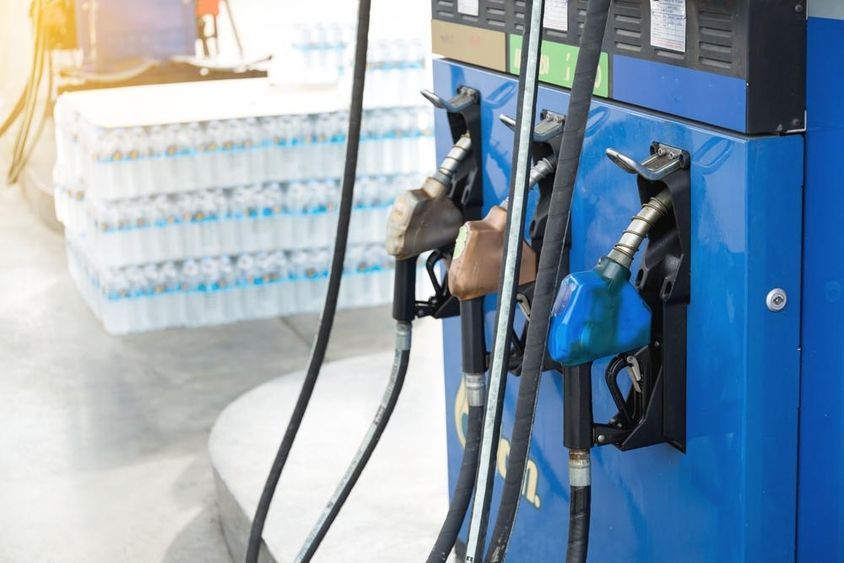
Fuel Price Drop Eases UAE Motorists' Burden
Motorists living in the United Arab Emirates will experience favorable changes at the beginning of July as fuel prices decrease. Although this change may not initially seem significant, those who commute long distances for work, family obligations, school runs, or business meetings may find monthly savings noticeable. Many drivers have calculated that with the current price drop, they might save upwards of Dh200 monthly in their family's budget.
In recent months, the impact of higher fuel prices has woven into everyday decisions for many. More people have started planning ahead, combining shopping trips, official errands, work commutes, and family activities. Some families have chosen to leave one of their two cars at home more often, while others turned to public transport, especially for regular commuting between Dubai and neighboring Emirates.
From July 1, however, noticeably lower prices will be in effect. The price of Super 98 will drop from Dh3.95 to Dh3.40 per liter, Special 95 from Dh3.83 to Dh3.29, and E-Plus 91 from Dh3.76 to Dh3.21 per liter. Diesel prices will also fall significantly, from Dh4.33 to Dh3.60 per liter. This change is particularly important for those who drive a lot, use vehicles with higher fuel consumption, or cannot easily reduce driving due to work demands.
The cost of daily commuting is one of the most unavoidable expenses for many families. For someone commuting from a residential area of Sharjah to Dubai's bustling business or residential districts, fuel prices are not mere theoretical concerns. With a six-day workweek, longer commuting routes, regular traffic jams, and frequent stops, monthly fuel expenses can quickly escalate. Therefore, a reduction of around half a dirham per liter is no small change but a significant saving.
One typical example is drivers who refuel up to eight times a month. For a mid-size car regularly commuting between Sharjah and Dubai, the current price reduction could mean monthly savings of around Dh235 or more. This amount may not fundamentally alter a family's finances, but many agree that such small reliefs matter when facing ongoing costs like housing, food, education, insurance, and travel.
High fuel prices in recent months have led many motorists to reconsider automatic car use for every journey. Some have chosen to leave their cars at major parking stations around Dubai Metro and continue their journey by metro. This option has been particularly sensible when the destination is well-served by public transport or when city center traffic and parking would make driving not only more expensive but also more tiring. While the current fuel price reduction doesn't mean everyone will return to full car use, it may alleviate daily decision stress for many.
Families have also adapted. Many reported leaving one car home more often and solving daily tasks with a single vehicle. Although this practice can be inconvenient due to planning, coordination, and compromise requirements, many families felt it was worth paying more attention to the number and timing of trips in light of higher fuel prices.
Professionals in the real estate market, sales agents, consultants, maintenance workers, and other mobile specialists will also feel the change. For those traveling 100-150 kilometers a day between different locations 15 days a month, fuel is not a simple household expense but a basic work-related cost. In the case of a larger vehicle or one with a stronger engine, monthly refueling can easily reach a significant amount. With the current reduction, savings for such use can approach or exceed Dh240.
Owners of larger-consumption vehicles follow price changes particularly carefully. Refueling a large SUV or premium-category car always incurs noticeable costs, especially if the car is used not only for weekend programs but also for daily commuting. For instance, someone who spent around Dh900 on fuel last month could save approximately Dh125 with the current reduction. While not an enormous amount, it's enough for many to contribute to covering a small shopping trip, clothes purchase, or pre-vacation expense.
The psychological impact of the change is at least as important as the exact amount itself. When fuel prices remain high for months, motorists become more cautious. They rethink whether a journey is necessary, whether to take a separate trip elsewhere, or organize multiple errands into one trip. In contrast, the reduction can provide a slightly freer feeling. It doesn't necessarily mean everyone will drive more but rather that everyday commuting involves less tension.
In the transportation reality of Dubai and the surrounding Emirates, cars remain indispensable for many. Although Dubai's metro network, bus system, and taxi services are well-utilized in many situations, not all residential areas, workplaces, or industrial zones are conveniently reachable by public transport. For those commuting between several emirates or working in positions that require frequent location changes, a car is not a luxury but a necessity. Therefore, a reduction in fuel prices directly affects daily quality of life.
Moreover, it is essential to see that the extent of savings can vary greatly. For someone making only a few shorter trips a week, the difference will remain modest. However, for those driving long distances daily, often stuck in traffic, using air conditioning, and refueling multiple times monthly, the relief may be significantly more pronounced. The drop in diesel prices can be pivotal for businesses, carriers, and service providers operating vehicle fleets, even if savings don't immediately show in pricing.
In upcoming months, many motorists will monitor whether the downward trend continues. The current price cut is a positive start, but most households will continue to be cautious. The past period has taught people that transportation costs cannot be ignored. Planned routes, shared car use, partial inclusion of public transportation, and avoiding unnecessary trips likely remain part of many families' daily routine.
Overall, the fuel price reduction in the United Arab Emirates this July won't bring dramatic change but can provide tangible relief. Monthly savings over Dh200 are sufficient for many drivers to noticeably ease the pressure on the family budget. In everyday life, sometimes these smaller amounts matter most: when shopping, dealing with pre-vacation expenses, or simply setting out for work more calmly in the morning.
If you find any errors on this page, please let us know via email.


