UAE's Crypto Market Awaits Institutional Era
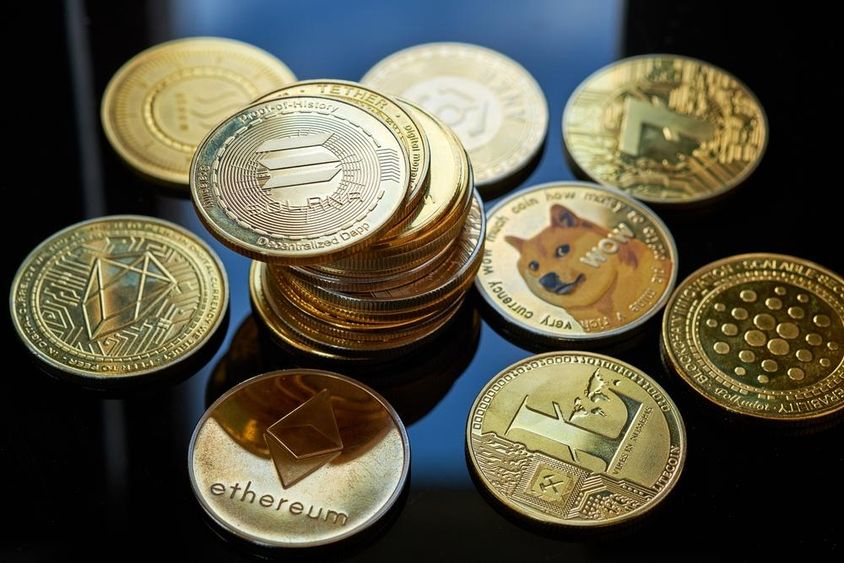
On the Brink of Institutional Era: UAE Crypto Market
The UAE digital asset market has undergone a dramatic transformation in recent years. The initial period was characterized primarily by retail investors seeking quick profits, speculation, and uncertainties surrounding new technologies. However, a much more serious, structured, and long-term institutional era has now begun, with emphasis no longer on short-term price movements but on institutional infrastructure, regulation, and secure operations.
Dubai, in particular, has become one of the most important global centers in this area. The city does not simply want to be another crypto trading location, but an international digital financial hub where the world's major investors, banks, fund managers, and family offices can enter the digital asset market in a secure and regulated environment.
The UAE leadership has recognized that blockchain technology and tokenization are not just passing trends but could be the cornerstone of the financial system in the next decade. Therefore, the country is placing increasing emphasis on timely building the infrastructure of its digital economy.
From Speculation to Financial Infrastructure
Several years ago, most conversations about cryptocurrencies revolved around whether the entire market could be considered legitimate, how dangerous it was, and whether the technology would survive the first serious crises. Most investors were thinking in terms of short-term profits, while the regulatory backdrop was uncertain in many countries.
Now, entirely different topics have come to the forefront. For institutional players, the question is not whether digital assets have a future, but how they can be securely managed, audited, regulated, and integrated into the traditional financial system.
The UAE has responded precisely to this shift. The country is trying to create an environment where major financial players can operate stably. This shift in perspective fundamentally differs from what can still be seen in many other markets.
Dubai is particularly building a strong position in this area. The city's goal is no longer just to attract retail traders but to become one of the leading centers for the global institutional digital asset market.
Regulation as the Driver of Growth
One of the biggest problems of the crypto market for a long time was regulatory uncertainty. Many institutional investors simply did not dare to enter this market because it was unclear under what legal environment they could operate, how licensing happened, or what compliance requirements they had to meet.
The UAE has built a significant advantage in this area. The establishment of the Dubai Virtual Assets Regulatory Authority, or VARA, marked a significant turning point. The aim of this organization is not to restrict the market, but to create a clear and predictable regulatory framework.
This is particularly important for banks, investment funds, and family offices. For a major financial institution, the most important question is not whether an investment is entirely risk-free, but that the risks are manageable and regulatable.
Thanks to a clear regulatory environment, many projects that previously existed only at the planning stage have been able to start in the UAE. Institutions are no longer just waiting but actively building their digital asset strategies.
Tokenization as One of the Biggest Breakthroughs
One of the most important areas of development currently is the so-called tokenization of real assets. This means that physical or traditional financial assets are represented as digital tokens on a blockchain.
This can include real estate, commodities, investment funds, or even infrastructure projects. One of the biggest advantages of tokenization is that assets can become more easily tradable, which were previously difficult to share or make liquid.
Dubai can be particularly strong in this area due to its real estate market. The city is already one of the world's most active international real estate investment centers. If real estate tokenization becomes widespread, it could open up the market to entirely new layers of investors.
For a premium Dubai property, for example, it wouldn't be necessary for a single investor to purchase the entire project. Ownership could be divided into digital tokens, which could be purchased in smaller values.
This could significantly increase liquidity and accelerate transactions.
Digital Custody as the Market Foundation
One of the most important elements of the institutional digital asset market is the custody infrastructure, or digital custody. This is the area that had long been missing from the market.
In the traditional financial system, it is completely natural for there to be institutions that safely guard investors' assets. However, in the digital asset space, this had long raised technological and security issues.
For institutional investors, it is unacceptable to store digital assets worth billions in simple online wallets without proper audit, insurance, and compliance systems.
Therefore, the establishment of a professional custody infrastructure in the UAE has become crucial. The market has now reached a level where the focus is on security, auditability, and regulatory compliance.
Digital custody practically fulfills the same role in the crypto market as clearing and securities management systems in the traditional financial world.
Banks Becoming More Active
Previously, many traditional financial institutions treated digital assets cautiously. Today, however, more and more banks and financial service providers are launching pilot programs or full digital asset services in the UAE.
This is important because the involvement of the banking sector significantly increases the market's credibility. When major financial players enter a new technological area, it typically indicates long-term stability.
In this process, the UAE is aiming for a regional leadership role. In many Middle Eastern countries, there still exists only a limited regulatory environment, while Dubai is already building a comprehensive digital financial ecosystem.
This strategy could result in significant capital inflows in the long term.
Challenges Remain
While the UAE digital asset market is rapidly evolving, numerous challenges still exist. One of the biggest questions is the interoperability of different blockchain systems and integration with traditional registries.
Legal handling of digital ownership is also a major challenge. For example, in the case of a tokenized property, it is necessary to clearly define what rights the digital token grants to the owner.
In addition, the harmonization of international regulations remains an important issue. Institutional investors often operate in multiple countries simultaneously, making it crucial for them that digital assets are accepted internationally.
Dubai Could Become a Hub of the Digital Financial World
Based on recent developments, it is increasingly likely that Dubai will become one of the defining centers of the global digital financial market in the next decade. The city's advantage lies not only in its modern infrastructure or business-friendly environment but also in its ability to quickly respond to technological changes.
While many countries are still only examining the possibilities for regulating digital assets, the UAE is already actively building the institutional ecosystem.
Based on the ongoing processes, it is clear that the next phase of the crypto market will not be about speculation, but about financial infrastructure, regulation, and institutional integration. Dubai is precisely preparing for this future.
If you find any errors on this page, please let us know via email.


