UAE Residents Strategize Against Torrential Rains
Thinking Ahead of the Rain: How UAE Residents Prepare Against Water
In recent times, the United Arab Emirates has shown once again that desert countries are not exempt from extreme weather. Although many still associate the region with a dry, hot climate, the reality is increasingly nuanced. Heavy rains, sudden large volumes of water, and resulting flooding now pose real risks, especially in cities like Dubai or Sharjah.
However, something changed before this year’s rains. It wasn’t the weather itself, but people's reactions to it.
The Experience That Changed Everything
Last year’s extreme rainfall left a lasting impression on residents. In many places, streets, parking lots, and even buildings were submerged within minutes. Such experiences do not disappear without a trace. This season, panic was no longer the first reaction, but conscious preparation.
In Sharjah's industrial areas, demand for certain products surged days before the first raindrops fell. Initially, sellers didn’t understand what was happening. Goods that previously barely moved, such as tarps, sandbags, and plastic sheets, were selling in large quantities. Buyers weren’t purchasing just one or two items; they were buying in bulk and even placing pre-orders.
This behavior is a clear sign: the population has learned from the past.
When the Rain Hadn't Even Started
The difference lies in timing. Previously, many only reacted when the rain was already pouring. Now, preparations began days earlier. Weather forecasts are becoming more accurate, and people are taking them more seriously.
This is especially important in cities like Dubai, where infrastructure is continuously developing but sudden, large amounts of rainfall still pose a major challenge. The drainage systems are not always able to immediately handle the extreme volumes, so prevention is key.
What Are Residents Preparing For?
The list of most sought-after products reveals a lot about how people think:
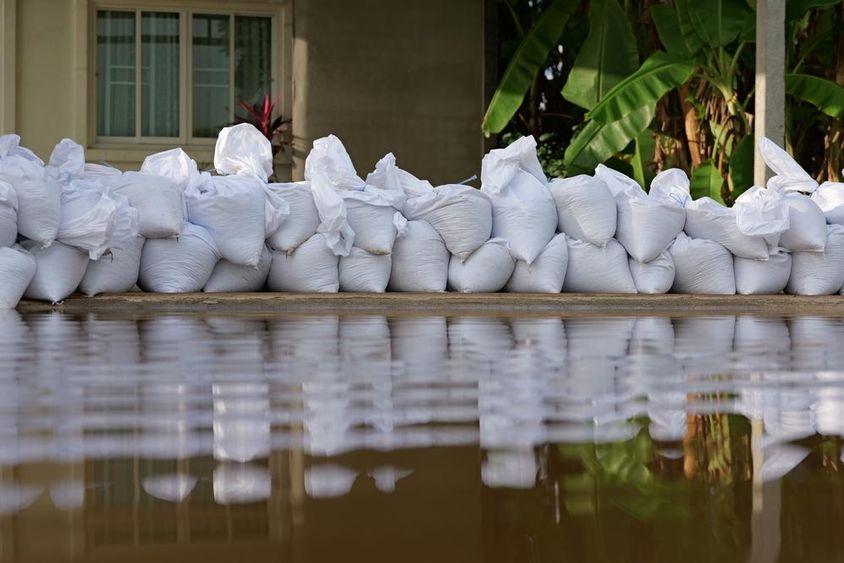
Sandbags represent the first line of defense. These are placed at entrances and garages to prevent water from entering. Tarps and plastic sheets protect the open parts of buildings, particularly on construction sites or unfinished properties.
Buckets, mops, and smaller pumps are the “damage control” tools. These come into play when water has already entered and needs to be removed quickly.
Umbrellas and raincoats sell out almost immediately every season, but now they're not just for pedestrians. Delivery workers, construction workers, and outdoor employees have made these a staple equipment.
Car covers and large plastic sheets show a new trend: vehicle protection. Cars parked in open areas are particularly vulnerable, and a sudden arrival of water or mud can cause serious damage.
The Boom in Demand and Its Consequences
One of the most interesting phenomena wasn’t just the increase in demand, but its timing and intensity. According to sellers, stocks depleted faster than they could be replenished.
This triggered a chain reaction. When the rain arrived, not only residents, but logistics were also in a difficult position. In some industrial areas, water accumulated so much that transportation was hindered. This further complicated supplies.
This situation underscores an important point: it’s not enough to prepare, preparation needs to be timely.
The Role of Construction Sites and Businesses
It wasn’t only the residents who reacted. Construction sites and small businesses also purchased large amounts of protective equipment. Newly constructed areas are particularly vulnerable, as they often do not have fully developed drainage or enclosure.
The use of tarps and flex sheets became crucial here. These temporarily cover open surfaces, preventing water from seeping into building structures.
This is important not just to avoid immediate damage, but long-term as well. Water seepage can cause serious structural issues, the repair of which is much more costly than prevention.
A New Level of Awareness
One of the most important lessons from this year’s events is that residents’ behavior has changed. They are no longer passive sufferers of weather but active participants in defense.
Many are not only purchasing the tools but also researching how to use them properly. Where to place the sandbags? How to secure the tarp? At what angle should the water be directed?
This kind of awareness is far more important in the long term than the tools themselves.
What Does This Mean for Dubai's Future?
Dubai and the entire UAE is a rapidly developing region, where infrastructure continually adapts to new challenges. Extreme weather, however, is a factor that requires new approaches.
In the future, water drainage, green infrastructure, and smart systems are expected to receive even more emphasis in urban planning. Meanwhile, the role of the population will not diminish.
The current situation carries a clear message: preparation is not a luxury, but a basic necessity.
Summary: Prevention Has Become the New Norm
UAE residents have taken an important step forward. Prevention instead of reaction has come to the forefront. Sandbags, tarps, and pumps are not merely tools – they are symbols of a new mindset.
The most significant change hasn’t happened on store shelves, but in people’s minds. And that is what really matters.
As the weather becomes more unpredictable, one thing is certain: those who think ahead are always one step ahead of the water.
If you find any errors on this page, please let us know via email.