UAE Real Estate Market: Prices to Slightly Decline
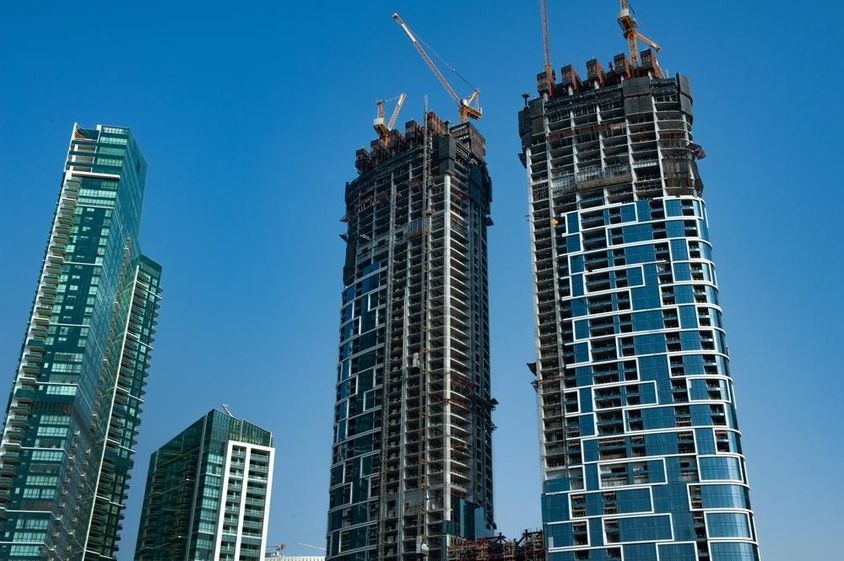
UAE Real Estate Market: Anticipated Slight Price Decrease Between 2026-2028
The real estate market of the United Arab Emirates – particularly in the city of Dubai – has experienced incredible growth over the past five years. Housing prices have reached all-time highs, and the number of sales transactions has hit unprecedented levels. However, a new phase may be ahead, highlighted by the gradual cooling of the market and a moderate decline in prices, as projected by the latest analysis from the international credit rating agency, Moody's.
More Housing Units, Slowing Price Growth
According to Moody's forecast, a slight decrease in prices is expected in the UAE real estate market over the next 12-18 months, particularly within the Dubai apartment market. The underlying cause is not economic downturn, but quite the opposite: a dynamic population growth leading to an expanding supply. Between 2026 and 2028, about 180,000 new housing units will be introduced to the Dubai market – averaging roughly 60,000 units per year, twice the annual average of 30,000-40,000 units in previous years.
Although the majority of these new houses are likely to be absorbed by the increasing population and the shift towards smaller households, an oversupply may still develop for mid-market studios and one-bedroom apartments. This can moderate the pace of price increases and may even lead to price declines in some segments.
Developers May Become More Cautious
Due to the anticipated oversupply and resulting pressure, developers are expected to hold back from launching new projects in the coming period. Moody's predicts a decrease in new sales volumes, and this trend may persist for years. Developers with solid financial foundations and credit ratings are expected to remain stable, thanks to significant pre-sales revenue and pre-scheduled payment plans that provide adequate security.
Attention May Turn Towards Diversification
Major developers who have generated substantial cash flow in recent years are now facing the challenge that domestic reinvestment opportunities cannot fully absorb their available capital. Consequently, more players are beginning to show interest in geographical diversification, particularly in more developed countries struggling with real estate supply issues.
An example of this is a major UAE developer that has already entered the Australian market by opening an office in Sydney, where multiple projects are planned in New South Wales. The aim is to export real estate development expertise and financial models similar to those in Dubai to markets where urgent solutions are needed for housing problems.
Financing and Risks
Since 2023, UAE property developers have issued Islamic bonds (sukuk), traditional bonds, and hybrid instruments totaling nearly $12 billion. Additionally, significant funding comes from installments paid by clients on off-plan projects, joint developments with landowners, and equity provided by external investors.
Larger players maintain stable liquidity and can withstand market slowdowns. However, smaller developers face increased financing and execution risks, particularly if they lack long-term sales strategies or a strengthened project portfolio.
What to Expect in the Long Run?
Although a moderate correction in Dubai property prices may occur in the short term – within 12-18 months – the long-term outlook remains positive. Demographic growth, sustained economic activity, and the influx of highly skilled expatriates continue to make the UAE, particularly Dubai, an attractive investment and residential destination.
However, developers must adapt to new market realities: more differentiated products, precise targeting, and more conservative project launches will be necessary. Additionally, digital sales, the integration of sustainability factors, and international market presence will gain increasing importance.
Closing Thoughts
According to Moody's forecasts, the next year and a half will be a period of consolidation and re-planning for the UAE real estate market. After the rapid price increases of recent years, a more stable, predictable phase is anticipated, which could further strengthen the region's investor credibility and predictability in the long run – especially if developers wisely manage the available financial and market advantages.
If you find any errors on this page, please let us know via email.


