UAE Interest Rate Cut: Economic Implications
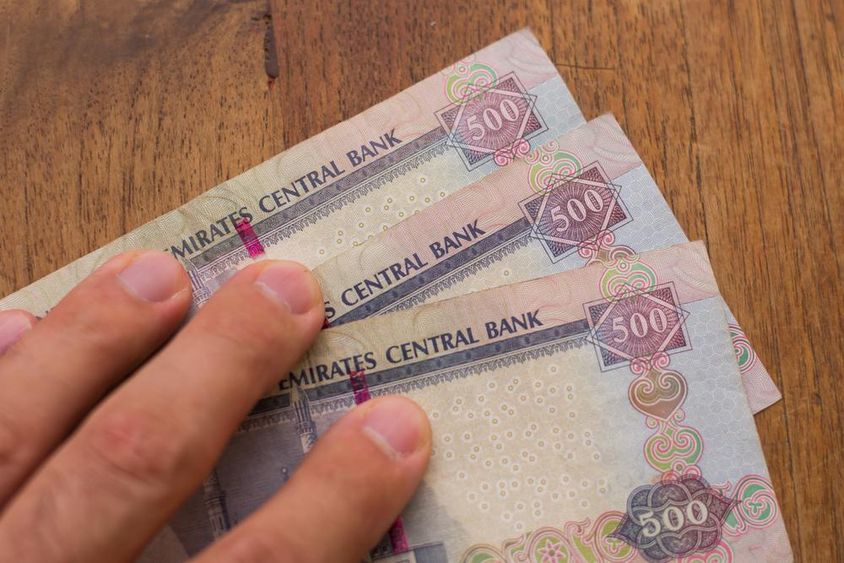
Interest Rate Cut in UAE: Impact on Loans and Economy
The Central Bank of the United Arab Emirates (CBUAE) recently announced a 0.25 percentage point, or 25 basis points, cut to its key interest rate applied to overnight deposit facilities. This means the rate lowers from 3.90% to 3.65%, following a similar move by the US Federal Reserve (Fed). With the UAE dirham pegged to the US dollar, the country routinely aligns its interest rate policy with the Fed.
This decision is not merely a monetary policy adjustment but has tangible impacts on UAE residents, businesses, and the economy as a whole. The cost of loans decreases, offering noticeable benefits to various groups.
What does this mean for the public?
The interest rates on consumer loans—especially personal loans and mortgages—significantly influence people’s financial decisions. For variable-rate mortgages, the Emirates Interbank Offered Rate (EIBOR) is the first to respond to changes in the central rate. As this reference rate drops, so do monthly payments.
For instance, on a typical 2 million dirham mortgage with a 5% interest, the monthly payment would be around 11,700 dirhams. However, if the rate decreases to 4%, the amount owed monthly becomes 10,550 dirhams. This translates to a monthly saving of 1,150 dirhams, and over 13,000 dirhams annually. This is particularly appealing to those currently renting in Dubai or Abu Dhabi, where rental prices are high and continue to rise.
Loan restructuring and new opportunities
The rate cut may also encourage those who took loans at higher rates to refinance their debts under more favorable conditions. Banks are more open to such opportunities, especially if strong competition emerges among financial institutions.
The personal loan segment is already witnessing a revival, with nearly 18% year-on-year growth. This is partly due to the lower interest environment allowing consumers to take out larger sums for car purchases, educational purposes, or even acquiring high-value electronics.
Economic boost: Impetus for consumption
The reduced loan rates positively impact not only households but also invigorate the entire economy. With lower debt service costs, individuals have more disposable income for consumption. Forecasts suggest UAE domestic consumption could rise by 13% in 2025, surpassing the global average.
This increased purchasing power is particularly apparent in retail, tourism, and entertainment sectors. Dubai’s shopping malls, hotels, and eateries are already preparing for heightened demand. Therefore, the positive sentiment can be measured not only through financials but also in everyday life.
Real estate market: Expansion and vitality
Demand for home purchases is closely tied to the interest rate environment. With the current decrease, more people might consider buying property rather than renting. This is especially true in Dubai, where rents are steadily rising and owning becomes an increasingly economical alternative.
The situation is also favorable for developers. Cheaper financing eases access to capital, potentially spurring new projects. The boosted demand can stabilize real estate prices, especially if supply expands flexibly.
Banking sector response: gradual adjustment
Although the rate cut carries a positive message, it does not automatically mean all banks will immediately pass on these benefits to customers. Numerous factors influence banks’ interest rate policies: liquidity status, capital costs, regulatory requirements, and market competition. Some banks might gradually introduce lower rates, primarily for new customers, while refinancing might remain an option for existing clients.
Those benefiting the most are consumers with variable-rate loans, as their payments almost automatically adjust to the new conditions. Fixed-rate borrowers should check with their banks for refinancing or restructuring opportunities.
Stability in the background: the dirham-dollar link
The UAE’s monetary policy has long been organized around the principle of pegging to the US dollar. This system provides stability, though it also brings a form of constraint: the country must follow the Fed’s decisions, even if domestic economic conditions suggest a different path. Currently, however, the Fed’s rate cut aligns with the UAE’s interests as a significant part of the country’s economy, especially non-oil sectors, benefits from lower financing costs.
Summary
The recent interest rate cut by the UAE Central Bank signals a positive turn for the economy. Consumer and corporate borrowing becomes more favorable, saving opportunities expand, and consumption is expected to rise further. The change could facilitate homeownership, improve families’ financial flexibility, and support the real estate market, tourism, and service sectors.
The question remains how quickly and to what extent banks will implement the changes. Prospective borrowers should watch market movements closely and compare offers from multiple financial institutions to ensure the most favorable terms.
(The article is based on an announcement from the Central Bank of the UAE.)
If you find any errors on this page, please let us know via email.