Paid Parking Launches in Jumeirah Village Circle
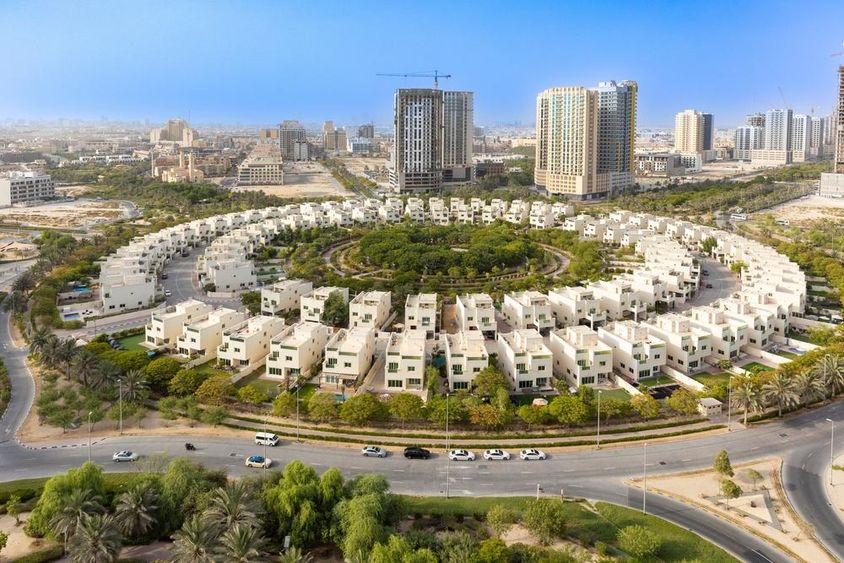
Paid Parking Starts at Jumeirah Village Circle
One of the most dynamically developing urban districts in the United Arab Emirates is Jumeirah Village Circle, which has gained massive popularity among residents and investors in recent years. The rapid proliferation of residential parks, shops, cafes, and community spaces brought a new challenge: parking. Due to the continuously growing number of vehicles, the utilization of parking spaces has become increasingly high, prompting authorities to implement a new system that regulates public parking. From March 16, paid parking goes into effect on the streets of Jumeirah Village Circle, and it will be applicable every day, including weekends and holidays.
This measure can not only improve the organization of parking but also play a significant role in traffic management. The introduction of paid parking aims to ensure that on-street parking spaces do not become long-term storage for immobile cars but are genuinely available to residents and visitors.
Operation of the Parking System
The new parking system will be based on an hourly rate. Two different pricing periods have been defined during the day. From 8 a.m. to 5 p.m., parking can be used for a fee of four dirhams per hour. This period typically affects daytime traffic and daily errands when many residents commute to work or use the local shops and services.
A higher fee applies in the late afternoon and evening hours. From 5 p.m. to midnight, parking costs six dirhams per hour. This period generally overlaps with hospitality, leisure activities, and the evening life of residential areas, when the demand for parking spots is often even more intense.
From midnight to 8 a.m., parking remains free. This period primarily provides convenience for residents, as nighttime parking involves no additional cost.
Mandatory Payment for All Vehicles
A key feature of the system is that the parking fee is applicable to all vehicles. The regulation makes no distinction between vehicle types during public parking, meaning all car owners must account for the payment obligation.
In practice, this means that vehicles previously enjoying various exemptions will park under the same conditions. The goal is to create a unified and transparent system applying identical rules for all drivers.
The introduction of the parking system is expected to reduce the number of cars parked in the same place for extended periods. There were many vehicles on the streets previously left in the same parking spot for days or even weeks, significantly limiting the number of available spaces.
Payment Options and Digital Solutions
The parking fee can be paid in several ways. One of the most commonly used solutions is the SMS-based parking system, which has been widely spread in the United Arab Emirates for years. Drivers can start parking by sending a short message, and the system automatically deducts the required amount.
If SMS parking is not activated, the parking fee can also be automatically deducted from the account linked to the Salik toll system. This solution can be particularly convenient for those who already have an active Salik account, as there is no need to initiate a separate parking transaction.
The application of digital payment systems fits well with the technological development of the United Arab Emirates. A growing portion of urban services operates through automated or mobile-based systems, making parking management part of a modern, digital infrastructure.
Monthly and Quarterly Parking Subscriptions
As part of the system, longer-term parking subscriptions will also be available for those who regularly use local parking spaces. A monthly subscription for normal vehicles is available for a fee of nine hundred dirhams.
More favorable rates have been set for electric vehicles. For them, the monthly subscription costs five hundred dirhams. This difference serves to encourage sustainable transportation, one of the key elements of the United Arab Emirates' urban development strategy.
For those planning for a longer period, a quarterly subscription is also an option. The package for three months is two thousand five hundred dirhams for traditional cars, while it is one thousand three hundred fifty dirhams for electric vehicles.
These subscriptions can be particularly useful for local residents or businesses who use public parking spaces on a daily basis.
Growing Popularity of Jumeirah Village Circle
The introduction of paid parking is closely linked to the development of Jumeirah Village Circle. In recent years, the area has become one of the most sought-after residential zones in Dubai. Relatively affordable housing, green parks, and a family-friendly environment have attracted many new residents.
In addition to new residential buildings, more and more shops, restaurants, and services have appeared, further increasing traffic. Demand for parking spaces has therefore been continuously rising, especially during the evening hours and weekend times.
The goal of paid parking is to make this growing traffic more manageable. Faster turnover of parking spaces can help more drivers find spots in a short time.
Urban Infrastructure and Future Developments
The introduction of the parking system is part of a broader urban development strategy. The city of Dubai continuously strives to develop a sustainable and efficient transportation system alongside rapid urbanization.
Paid parking zones are a widely accepted tool for regulating traffic worldwide. They not only improve the accessibility of parking spaces but also encourage people to use alternative modes of transportation.
In the future, further parking solutions and digital systems are expected to appear in different districts of the city. Smart parking, real-time location information, and automated payment systems are all technologies that will become part of modern urban life.
A New Era in Urban Parking
The introduction of paid parking in Jumeirah Village Circle showcases how urban infrastructure is changing alongside the rapidly growing population and car traffic. The aim is not merely to increase revenue but to run an efficient parking system and make better use of public spaces.
With the new system, the availability of parking spaces is expected to improve, traffic organization will become more efficient, and the city will take another step towards modern, smart urban operation.
The example of Jumeirah Village Circle illustrates well what new solutions rapid development necessitates. Dubai continues to work to ensure the city's infrastructure keeps pace with population growth and the demands of daily life.
If you find any errors on this page, please let us know via email.


