UAE Feels the Chill: Jebel Jais Drops to 3.5°C
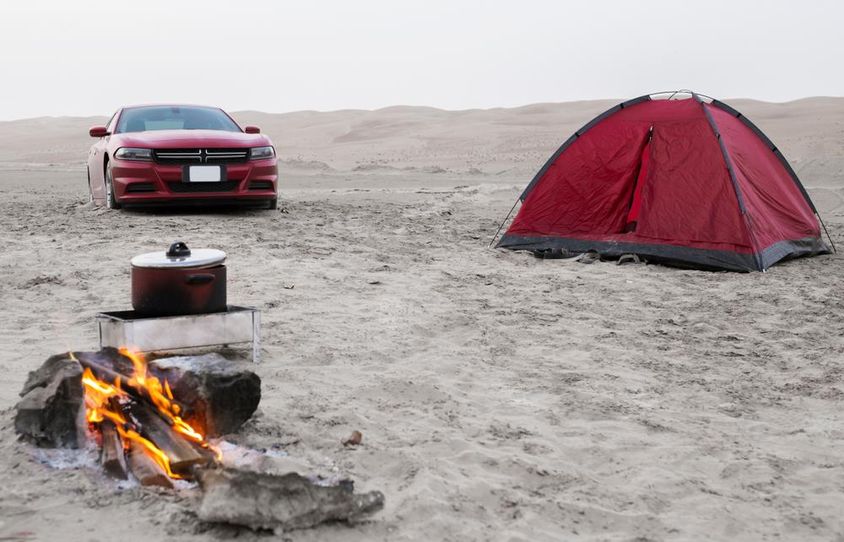
Winter Turn in UAE Weather: 3.5°C Measured on Jebel Jais
As winter has officially arrived in the United Arab Emirates, a cold record recorded at the highest point of the country has once again highlighted the special weather phenomena of the desert state. On December 20, at dawn on Saturday, a temperature of only 3.5 degrees Celsius was recorded on Jebel Jais Mountain located in the northern part of the country – the lowest temperature registered this winter across UAE.
The Impact of Winter on the Country's Climate
While many exclusively associate the weather of the United Arab Emirates with hot summer months, the reality is more nuanced. The country’s climate falls under the tropical desert category, where the extreme temperatures of summer are replaced by surprisingly cool and at times specifically cold weather during winter – particularly in the mountainous and inland regions far from the coast.
This cold front particularly made its presence felt on Jebel Jais Mountain, located in the Ras Al Khaimah emirate, which, at 1,934 meters, is not only the UAE's highest point but also a perennial player in cold weather during the winter months.
Jebel Jais: Not Just a Tourist Attraction but a Meteorological Curiosity
The mountain area represents a world apart from the desert landscapes. Anyone who has visited the peaks of Jebel Jais knows that the temperature gradually decreases even along the serpentine road leading there. It is no coincidence that with the arrival of cold weather, many residents and tourists gladly travel here to experience the true essence of winter in the Emirates – in coats, hats, sometimes with condensation and dense fog.
According to the National Meteorological Center (NCM), the 3.5°C temperature was recorded around midnight, marking not just a seasonal record but also serving as a reminder that the country's weather is far from monotonous. The mountain has not set the lowest temperature figures for the first time; year after year, it is the point where UAE gets its most spectacular slice of “winter.”
The Background and Consequences of the Cooling
The significant drop in temperature did not arrive in isolation but after a multi-day period of unstable weather. The preceding days saw heavy rains across several emirates, resulting in water-flooded roads, slowed traffic, and elevated preparedness levels characterizing the cities. The combination of precipitation and clear night skies favored the dramatic temperature drop – especially in high-altitude areas.
This sudden cold, however, is not only an interesting data point for meteorologists. Colder mornings and nights can pose significant challenges in agriculture, especially in areas where fruit trees or herbs are cultivated. On a household level, new comfort demands arise: many residents are now turning on heating for the first time or acquiring warmer clothing – which is not a usual routine for most of the year.
Winter Tourism and the Popularity of Jebel Jais
During this time of year, the allure of Jebel Jais significantly increases. Not only because of the cold air or the views – the mountain welcomes visitors with numerous winter programs, hiking and camping sites, and extreme sports opportunities. The famous zipline (one of the longest zip lines in the world), along with the sunset points, almost magnetically attract those who wish to explore a unique side of the UAE.
The interest due to the temperature drop significantly boosts visitor numbers, which authorities support through enhanced traffic coordination, safety measures, and traffic control. The mountainous roads are steep, and fog is common, and so travel before dawn or late at night is recommended only for experienced drivers.
The Significance of Winter for UAE Residents
Many may not think so, but UAE residents eagerly anticipate the cooler months. This is the time when outdoor programs, desert excursions, picnics, outdoor cinemas, and restaurants thrive. The summer months are spent with air-conditioning and indoors, so winter literally brings a breath of fresh air.
The current cold record is not just a figure: it serves as a reminder that nature can still surprise us in this modern, urbanized region – and it adds value to the change of seasons. Snow does not regularly fall in the UAE, but the presence of cold, particularly on the peak of Jebel Jais, provides an opportunity for residents and visitors alike to experience the essence of winter – without needing to travel abroad.
Summary
The 3.5°C temperature measured on Jebel Jais Mountain on December 20 is not just a weather data, but also a kind of symbolic line: the desert country has entered the true period of winter. Such moments enhance the diversity of the UAE – whether concerning climate, landscape, or lifestyle. Winter appears differently here, and that’s part of its charm.
If someone seeks a truly special winter experience in the Middle East, Jebel Jais offers an ideal choice: breathtaking panoramas, fresh air, and sometimes even a touch of frost await those willing to climb higher – both literally and figuratively.
(The article is based on a statement from the National Meteorological Center (NCM).)
If you find any errors on this page, please let us know via email.


