UAE Cracks Down on Food Price Violations
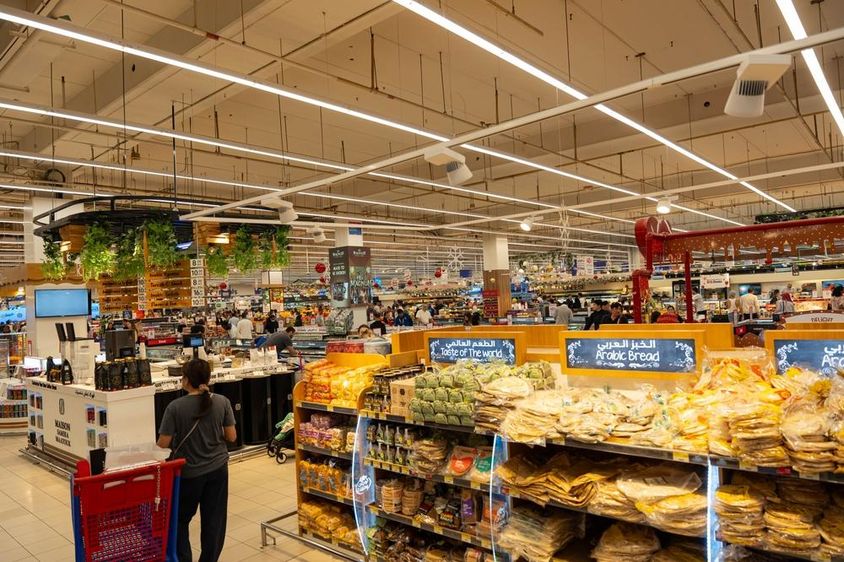
Enhanced Food Price Monitoring in UAE: Stricter Oversight After Thousands of Violations
Over 7000 Violations in One Year
The authorities in the United Arab Emirates are taking food price monitoring to a new level after identifying 7,702 violations during inspections over the past year. The Ministry of Economy and Tourism, in cooperation with local economic development authorities, conducted 155,218 inspection tours in 2025. This comprehensive oversight resulted not only in uncovering violations but also in resolving 93.9% of consumer complaints and recalling over half a million products for various reasons.
This figure alone indicates that the market's size and dynamism require significant inspection capacity. The UAE's food market is highly active, especially during religious holidays when demand spikes significantly. The authorities' goal is clear: to maintain price stability and strengthen consumer confidence.
Price Freeze on Basic Food Items During Ramadan
With Ramadan 2026 approaching, the ministry has reinforced that the prices of nine basic food categories cannot increase during the holy month. These include oil, eggs, dairy products, rice, sugar, poultry, legumes, bread, and wheat. These products form the basis of daily consumption, particularly during the fasting period when family evening meals hold greater significance.
The price freeze is not merely a communication gesture but a concrete market intervention. The authorities made it clear: there is zero tolerance for unjustified price hikes. The goal is not to artificially distort the market but to prevent speculative price increases attributed to rising demand.
Strategic Stockpiling and Supply Chain Strengthening
One key element in preparing for Ramadan is timely replenishment of strategic food reserves. Authorities and private sector players begin coordinating import, storage, and distribution weeks in advance. The aim is to ensure that the seasonal demand surge does not cause supply chain disruptions.
Early stockpiling allows retailers to manage increased demands smoothly and avoid price pressures stemming from sudden shortages. Regional trade data shows that large volumes of food shipments arrive at the region's key logistics hub, Jebel Ali port, six to eight weeks before Ramadan. This deliberate planning is a critical guarantee of price stability.
Digital Price Monitoring and Real-Time Inspection
The ministry held 26 consultations with major suppliers and importers, as well as conducting 420 on-site inspections. Additionally, they operate an electronic price monitoring system linked to 627 major retail units, covering over 90% of the domestic staple goods market.
This system tracks price movements in real time and promptly flags unwarranted increases. Digital oversight marks a significant advancement over traditional, retrospective inspections. It not only speeds up violation detection but also has a preventative effect: merchants know prices are under constant surveillance.
Consumer Awareness and Complaint Handling
Alongside inspections, the authorities are focusing on public awareness. The 'Consumer Rights Guide' is available on digital platforms, encouraging residents to report any misuse. The effectiveness of the complaint system is demonstrated by the resolution of the overwhelming majority of submitted cases.
The monitoring campaigns extend across the entire country, including wholesale markets, traditional stores, and e-commerce platforms. This is particularly important given the continuously rising share of digital sales, which require strict oversight of online pricing just as much as in physical stores.
Increased Inspections in Dubai
dubai's consumer protection authority conducted over 220 inspections in the pre-Ramadan period. The inspections covered not only prices but also product quality and availability. The goal was to ensure that both essential and secondary products are available in sufficient quantities while keeping prices stable.
Local measures align well with the national strategy. Dubai’s retail market is particularly significant, making the strict oversight there impactful on the entire country's price stability.
Role of the Private Sector and Seasonal Promotions
Major retail chains have also announced plans for significant stock expansion and seasonal promotions. Discounts are promised on rice, flour, sugar, cooking oil, fresh vegetables, fruits, meat, poultry, and dates, while they pledge to maintain fair prices.
Modern retail is now focused on multichannel operations, including physical stores, digital platforms, and home delivery. This flexibility helps ensure consumers have convenient and predictable access to needed products.
Stability and Trust During Ramadan
The coordinated measures—including official inspections, digital price monitoring, strategic stockpiling, and private sector cooperation—send a clear message: the UAE aims for a Ramadan period that is balanced, free of supply disruptions, and unwarranted price hikes.
Food pricing is always a sensitive issue, particularly during times when community and family meals are central. Authorities are now ensuring that the religious holiday does not impose additional burdens on the population but remains a time of peace and community.
The numbers show the inspection system is working, but the thousands of identified violations also serve as a reminder of the need for continuous vigilance. The upcoming period's stakes are not just about price stability but also maintaining long-term consumer trust during one of the country’s most important periods.
If you find any errors on this page, please let us know via email.


