UAE Commits to Healthier Eating Habits
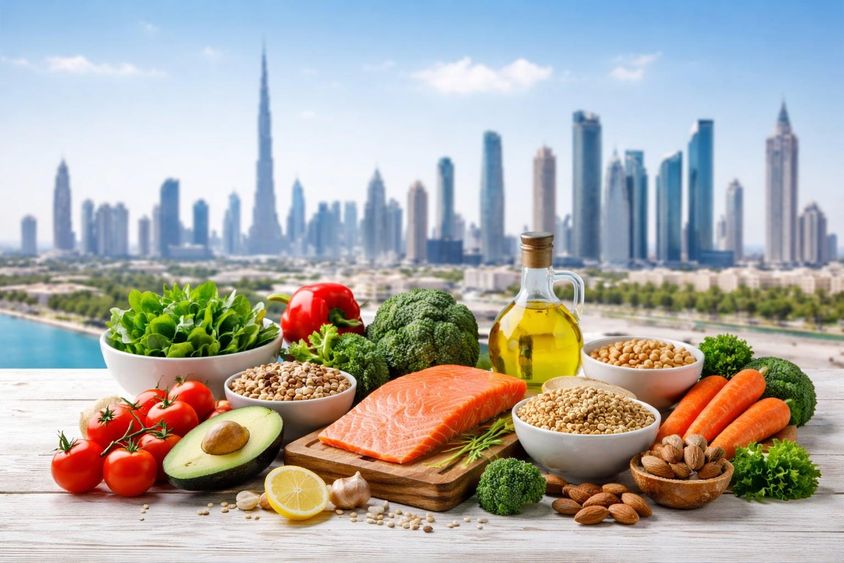
Healthier Future: UAE's New Nutritional Strategy
The United Arab Emirates has taken a new direction in the field of health protection by adopting the National Healthy Nutrition Strategy until 2031. This decision is not just another regulation; it is the start of a comprehensive shift in approach that could impact the lifestyle of the entire society. The goal is clear: to curb the spread of obesity and chronic diseases while making everyday eating more conscious and healthier.
One of the most important elements of the strategy is the complete ban on sources of partially hydrogenated oils, i.e., artificial trans fats. This step is not only a regulatory advancement but also has a direct impact on the health status of the population. These fats have been among the most critical components of the modern food industry for years, and now they are finally being eliminated from the system.
Why are trans fats dangerous?
Trans fats are industrially modified fats that are primarily used to increase the shelf life of foods and improve their texture. However, they pose serious health risks. Regular consumption has been linked to the development of cardiovascular diseases, increased inflammation, and deteriorating cholesterol levels.
The decision stems from the realization that prevention is much more effective and sustainable than later treatment. As these components disappear from food, the body quickly responds: blood circulation can improve, inflammation may decrease, and the risk of heart disease could be reduced.
The Dawn of the Prevention Era
The strategy's key message is that healthcare is shifting from reaction to prevention. This is particularly important in a region where non-communicable diseases such as type 2 diabetes and high blood pressure have become increasingly common due to modern lifestyles.
The new approach aims to make healthy choices the simpler and more natural option for the population. This is not only the responsibility of individuals but also a joint task for the food industry, educational institutions, and regulatory authorities.
What does this mean in everyday life?
Banning alone is not enough if it is not paired with conscious consumer decisions. Real change is beginning for the population: altering dietary habits.
The focus shifts to healthy fats. Alternatives like olive oil, omega-3 fatty acids found in fish, or plant-based proteins play a key role. Reducing processed foods and prioritizing grilling and steaming over frying can all contribute to a longer and healthier life.
This change does not require a radical lifestyle transformation but rather a series of small, consistent steps. Conscious reading of food labels, favoring fresh ingredients, and avoiding fast foods are all part of this new direction.
Digital Assistance for Families
An innovative element of the strategy is the introduction of a digital nutrition guide. This tool helps families transform general recommendations into concrete, daily applicable solutions.
The guide will offer weekly diets, portioning suggestions, and easy-to-follow recipes. Additionally, visual aids such as plate models assist in understanding correct proportions.
This is particularly important because information alone is not enough; people need practical assistance to truly change their habits.
Protecting the Next Generation
The strategy places special emphasis on children and young people. The school environment plays a key role in developing dietary habits from early age.
The new regulation aims to introduce healthier options in school canteens while limiting access to high sugar and fat content foods. However, this can only be truly effective if families support this approach at home.
Children's eating habits largely stem from their environment. If healthy choices become the default, significant changes can be achieved across society in the long term.
Rethinking the Role of Advertising
The strategy does not stop at ingredients. One of its most interesting elements is the limitation of advertising unhealthy foods, especially among the youth.
The effect of advertising is often unnoticed yet powerful. The aggressive marketing of high sugar, salt, and fat content products significantly influences consumer decisions. Reducing this opens the opportunity for healthier alternatives to gain more attention.
This step is not just a regulatory matter but could also initiate a cultural change. The relationship with food can transform, and awareness can reach a new level.
Long-term Impact and Prospects
The new nutritional strategy is not an immediate magical solution but a long-term investment in health. The results will gradually appear, but even short-term improvements are expected in certain indicators.
Decreases in the risk of cardiovascular diseases, better metabolic states, and improved overall well-being are effects directly linked to the disappearance of trans fats.
The real success, however, will be measured by how naturally healthy lifestyles become. If the population truly adopts the new habits, this strategy will not just be a program but the foundation for a new way of life.
Conclusion
The decision of the United Arab Emirates is a clear message: health is not just an individual matter but a national priority. The ban on trans fats, support for more conscious eating, and transformation of the environment together create a system where healthy choices become the default.
This step is important not only for the present generation but also decisive for the future. It is a direction that can result in a more stable, healthier, and more sustainable society in the long term — not only in the UAE but as an example for other countries as well.
If you find any errors on this page, please let us know via email.


