UAE Bans Travel to Mali: What's Next?
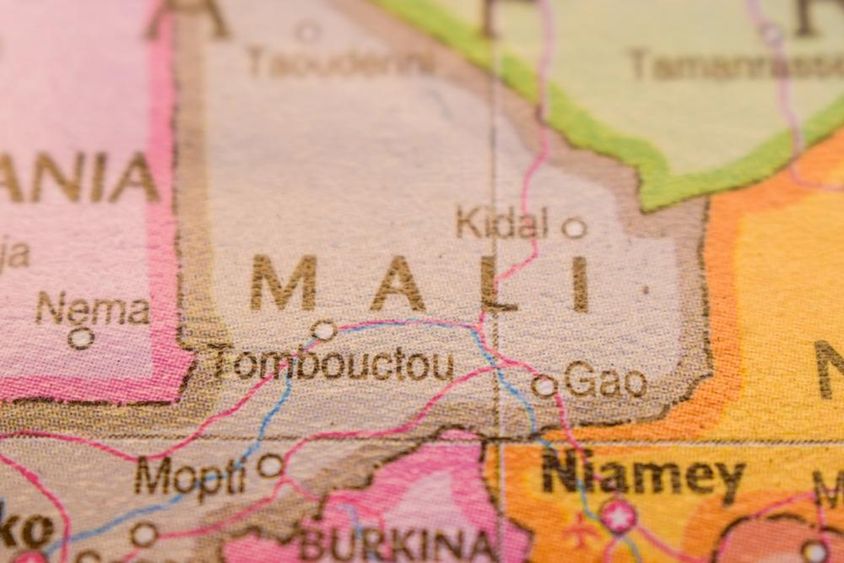
The United Arab Emirates' travel ban on Mali: What does it mean for citizens?
The Ministry of Foreign Affairs in the United Arab Emirates has announced a travel ban for its citizens to the Republic of Mali. The decision was officially made public on December 9th, simultaneously urging UAE citizens currently residing in Mali to return to UAE territory as soon as possible. The ministry strongly advised citizens to exercise increased caution regarding travel advisories in the future and to stay connected with official sources.
What might be behind the decision?
Although the statement did not include details on the rationale for the decision, such travel bans typically stem from security concerns. Mali has been struggling with political and security instability for years, especially in the northern and central regions, where armed conflicts, ethnic clashes, and the presence of terrorist organizations pose significant threats to both local residents and foreign visitors.
The UAE has previously taken similar measures against countries where the security situation deteriorated rapidly, and where they couldn't guarantee the safety of their citizens. The current decision is clear: to prevent UAE citizens from being endangered in an unstable region.
Call to return: What should those affected do?
For UAE citizens currently in Mali, the Ministry of Foreign Affairs strongly recommends a prompt return home. The ministry has requested that affected individuals contact the embassy or the 24/7 emergency hotline maintained for citizens abroad.
This step is crucial not only for the protection of citizens but also for the quick and coordinated organization of repatriation. Consular services typically assist with ticket bookings, developing alternative routes, and, if necessary, providing special flights to leave endangered areas.
The role of security advisories in foreign policy
In modern diplomatic practice, official warnings regarding foreign travel are gaining increased importance. These alerts and restrictions are not only instruments of official foreign policy positions but can save lives in practice. Warnings are generally based on local intelligence sources, international partnerships, and reports from diplomats stationed in the region.
The Emirates place significant emphasis on ensuring their citizens’ safety anywhere in the world. As part of this, they not only issue warnings but actively support those who find themselves in trouble or residing in threatened areas.
Impact on tourism and business travel
While Mali is not a popular tourist destination among UAE citizens, certain business, diplomatic, or charity-related travels may occur. With the introduction of the travel ban, these activities become impossible or, at least, temporarily halted.
For the business sector, being promptly informed about these types of restrictions is particularly important, as investments, partnerships, or logistical connections may be jeopardized. It is recommended that international companies and organizations operating in the UAE regularly monitor the official statements from the Ministry of Foreign Affairs to respond timely to changes.
What are the legal consequences of violating the travel ban?
In the United Arab Emirates, travel bans issued by the Ministry of Foreign Affairs are not mere recommendations but official state orders. Consequently, violating them can result in severe repercussions, including legal prosecution, fines, or, in certain cases, the temporary withdrawal of passports.
Strict measures aim not for punitive actions for their own sake but to safeguard citizens from dangerous situations to the utmost extent. Government communications emphasize that adhering to the rules is a shared responsibility that matters not only on an individual level but also on a community level.
Further steps and future prospects
The current travel ban is in effect for an indefinite period and is expected to be lifted only if Mali’s security situation significantly improves. The Ministry of Foreign Affairs continuously monitors developments there and may introduce further updates, potential tightening, or easing of restrictions as necessary.
Due to the constantly changing global geopolitical situation, UAE foreign policy is also dynamically evolving, placing increasing emphasis on prevention and rapid responsiveness. Such decisions also convey a message: the state takes the protection of its citizens seriously and is ready to act immediately if the situation demands it.
Summary
The travel ban imposed by the United Arab Emirates towards Mali is another example of security considerations taking precedence over diplomatic niceties when it comes to the protection of its citizens. In this instance, the state acted swiftly and decisively, opening all necessary channels to ensure those affected can return home.
Such measures not only highlight the current security situation but also emphasize the importance of travelers being informed at all times and not ignoring official warnings. The state provides protection, but the responsibility is shared – travelers' awareness and cooperation are essential for effective protection.
(The article source is based on the United Arab Emirates Ministry of Foreign Affairs announcement.)
If you find any errors on this page, please let us know via email.


