UAE Assures Safety Amid Regional Turmoil
UAE Reassures Residents: National Security on Full Alert
Recent regional developments in the United Arab Emirates have understandably raised many questions and concerns among the populace. In such situations, the most crucial aspect is credible, centralized communication that clearly signals: the state is monitoring events closely and taking all necessary measures to protect the community. The National Emergency, Crisis, and Disaster Management Authority emphasized that the safety of residents is the top priority, and maintaining public confidence is a key responsibility.
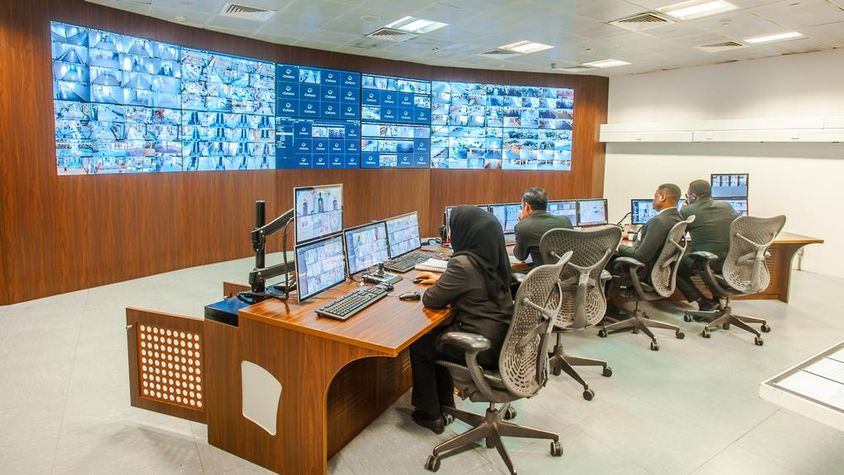
According to the authority's statement, the situation is being monitored around the clock, developments are continuously assessed, and all decisions are made with the protection of the community in mind. This continuous monitoring is not merely a technical or administrative task, but a strategically significant security activity based on the coordinated efforts of multiple institutions. The goal is clear: to maintain the smooth functioning of everyday life, ensure the continuity of public services, and preserve social stability.
Security as a National Priority
In recent years, the United Arab Emirates has placed substantial emphasis on developing crisis management and disaster mitigation systems. In the current situation, the authority has made it clear that the national readiness system is fully active. This means that all relevant bodies—from law enforcement units to civil defense—are operating based on coordinated protocols.
The statement highlighted that all measures in force serve to protect the community and aim to ensure that daily life can continue safely and without disruptions. This is especially important in a period when increased attention is focused on the country's security situation due to regional events.
One of the most important messages of such communication is that the state operates not reactively, but proactively preparing for possible scenarios. Continuous assessment and a system of preventative measures ensure a quick, coordinated, and effective response when necessary.
The Importance of Maintaining Public Trust
The authority placed special emphasis on the fact that maintaining public order is not just a communication task but a responsible state obligation. In times of uncertainty, the greatest risk often comes not from the event itself but from the lack of information and the spread of rumors. Therefore, regular, official communication is essential.
In the United Arab Emirates—including the city of Dubai—the aim of the authorities is for residents to receive accurate, verified information and to prevent unnecessary panic. The 24-hour surveillance and continuous situation analysis convey the message that the state is present, prepared, and capable of taking action.
The sense of security is closely linked to economic stability as well. When the public trusts in the functioning of institutions, daily activities—work, education, transportation, commerce—can proceed uninterrupted. This is especially important in a country that is one of the region's most important economic and logistical centers.
Continuity of Everyday Life
A key sentence in the statement is that the national readiness system is fully active, and all measures are directed toward ensuring the protection of the community while allowing daily life to continue smoothly. This message is addressed to both the population and the international community.
The country's infrastructure—its transport network, airports, ports, healthcare facilities—are based on systems capable of handling extraordinary situations. The goal of the authorities is for residents to feel as little direct impact as possible from regional events.
In the case of Dubai, this is particularly emphasized, as the city is not only a residential area but also a global business, tourism, and financial center. Maintaining stable operations is therefore strategically significant. The central communication makes it clear: institutions are working in coordination to ensure that services, transportation, and public order remain secure.
Continuous Assessment and Adaptation
One of the principles of modern crisis management is flexibility. Situations can change rapidly, so continuous analysis and modification of measures as necessary are indispensable. The 24/7 surveillance serves precisely this purpose.
Authorities are not only examining direct security risks but also the social and economic impacts. In a complex system, every decision affects multiple areas, so coordinated operation is crucial.
For the populace, this means that behind the scenes, there is a structure working that responds flexibly based on predetermined scenarios to new developments. The goal is not just to avert dangers but to maintain stability in the long term as well.
Message to the Residents
The essence of official communication is clear: the safety of residents comes first, the system is operational, and the situation is under control. This kind of reassuring message is especially important in a time when heightened tensions are being experienced in the region.
The leadership and institutions of the United Arab Emirates emphasize that all measures serve the protection of the community and ensure the safe continuation of daily life. The full activation of the national readiness system means that the country is not reacting unexpectedly but is consciously and preparedly managing challenges.
Overall, the statement provides a clear direction: the preservation of stability, maintaining public trust, and protecting the community are both the goal and obligation. The system of 24-hour monitoring, comprehensive assessment, and coordinated measures ensures that the country—including the city of Dubai—continues to provide a safe environment for its residents and visitors.
If you find any errors on this page, please let us know via email.