Airspace Shutdown in UAE Causes Turbulence
Airspace Closure in UAE: Airlines Offer Refunds and Rebooking
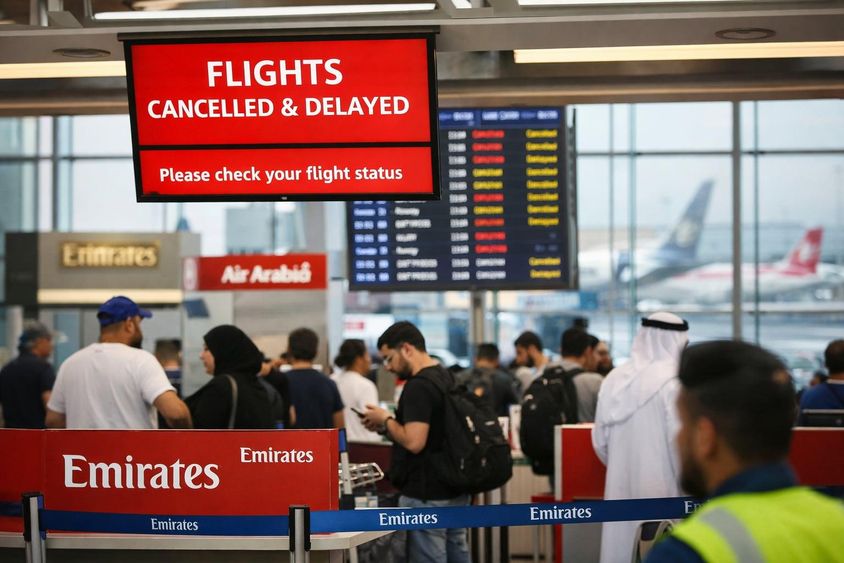
The precautionary closure of the United Arab Emirates' airspace has sent significant ripples through the region's air travel. Behind the decision lies the security situation in the area, marked by missile attacks and drone threats, which posed heightened risks. The swift reaction by authorities shows that the country continues to prioritize the safety of passengers and its populace. Due to the airspace closure, several major airlines immediately suspended their flights, providing extraordinary refund and rebooking options for affected passengers.
Precautionary Decision for Safety
The decision was made by the country's civil aviation authority on Saturday afternoon as a precautionary measure. The temporary airspace closure meant that several incoming and outgoing flights were canceled, while others were rerouted. Air travel is highly sensitive to geopolitical tensions, particularly in such strategically located regions as the Persian Gulf. These measures aim not to incite panic but to minimize potential risks.
As a result of the closure, thousands of travelers' plans were altered in an instant. However, the country's leading airlines quickly responded, offering detailed information about available options through their online channels.
Emirates and flydubai: Flexible Rebooking and Refunds
The major international airline based in Dubai, along with the Dubai-based budget airline, announced a temporary suspension of operations until a specified date. Passengers with departures within three days can rebook their tickets up to ten days later than the original travel date to the same destination.
Those who purchased their tickets directly through the airline's system can also request a full refund by filling out an online form. The airlines highlighted the importance of checking the current status of their flights before heading to the airport. This simple step can spare travelers significant inconvenience.
The flexible approach illustrates that the airlines are well aware of the situation's extraordinary nature. Swift decisions and clear communication are crucial in such periods.
Etihad Airways: Extended Rebooking Deadline
The national airline based in Abu Dhabi also suspended its flights until a specified date. Passengers who booked before a certain date and had travel scheduled within a determined period can modify their tickets free of charge to a later date, even several weeks after the original one.
For canceled flights, a full refund can be requested, either directly on the airline's website or through the travel agency if booked through one. The company also noted that due to the increased call volume, processing might take longer. This is understandable, as travelers seek information and solutions simultaneously in extraordinary situations.
The statement indicated that schedules could change at short notice, so passengers must continually monitor updates.
Air Arabia: Credit Solutions and Postponement
The budget airline based in Sharjah also temporarily suspended its flights. For certain destinations, the restriction may remain in effect for an extended period. Passengers can choose among several options: cancel the affected flight and keep the amount as travel credit, cancel the full booking and use it later as credit, or book new travel dates.
The company suggests that the new departure should be at least 72 hours later than the original date. This security margin can help avoid further changes in a rapidly changing situation.
Airports: Temporary Suspension and Damage
During the events that occurred early Sunday, minor damage was inflicted on the Dubai International Airport, which was quickly localized. Authorities confirmed that the situation was brought under control within a short time.
In Abu Dhabi, a drone attack resulted in one person's death and several injuries on the international airport grounds. These events underline that the airspace closure was not an overreaction but a preventive measure for safety.
The Dubai airport operator stated that Dubai International Airport and Al Maktoum International Airport temporarily will not accept or send flights until further notice. Passengers were asked not to head to the airport but to contact their airlines directly.
What Can Passengers Do in This Situation?
The most important step is to stay informed. Online flight tracking systems, official airline platforms, and notifications help travelers stay updated. It is advisable to verify that the booking contact details are accurate, as airlines send updates through these channels.
Such extraordinary times test travelers' patience but also demonstrate how quickly the air transport system can adapt. The provision of refund and rebooking options indicates that passengers' interests remain central.
Safety First
Although the airspace closure caused significant disruptions, the measure's aim is clear: protecting passengers, crew, and residents. The geopolitical situation in the region periodically poses challenges to transportation infrastructure, but the country's experience and preparedness enable rapid response.
The coming days will be crucial for the gradual restoration of normal operations. Meanwhile, the key message for passengers is to stay informed, remain patient, and handle travel-related matters through official channels. Airlines and authorities are continually working together to return Dubai and Abu Dhabi airports to regular operation as soon as possible.
If you find any errors on this page, please let us know via email.


