UAE Assures Residents: No Need to Stockpile
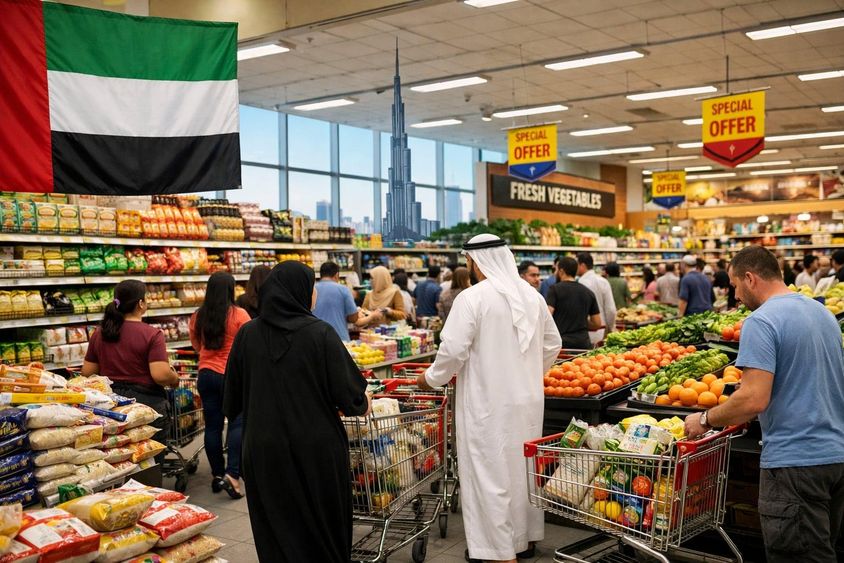
UAE Residents Urged Not to Stockpile: Store Supplies Stable
Authorities in the United Arab Emirates have sent a reassuring message to the public in recent days: there is no need for panic buying or stockpiling of long-lasting supplies. The head of the Ministry of Economy and Tourism clearly emphasized that goods from around the world are available in large quantities in the country’s markets, and the everyday consumer needs are ensured.
The message is simple: store shelves are steadily stocked, the logistics chain is working, and imports are continuous, so there is no economic reason for residents to purchase large quantities of essential goods. According to the authorities, such behavior rather causes unnecessary tension in the market, while in reality, the supply system is stable.
UAE's Supply System is Built on a Global Network
One of the foundations of the United Arab Emirates' economic model is its highly developed commercial and logistical infrastructure. The country’s geographical location plays a key role in ensuring that goods from different regions of the world reach the markets quickly and efficiently.
Ports, airports, and logistics centers operate at a level of cooperation that ensures a continuous commercial supply even when temporary disruptions occur in some regions. Thanks to the global supplier network, food, consumer goods, and products for daily needs are continuously arriving in the country.
This is particularly important for a state that relies significantly on imports. However, the commercial system has been designed over decades to be resilient to regional or global changes.
Panic Buying Places Unnecessary Pressure on the Market
Authorities warn that stockpiling does not aid the population and may even have an opposite effect in certain cases. When consumers purchase unnecessarily large quantities of some products, it can create a temporary sense of shortage in stores.
This phenomenon does not arise from a failure of the supply system but from a sudden surge in demand. If the population shops calmly and as usual, products will remain continuously available.
According to the Ministry of Economy, UAE’s market has sufficient reserves to meet the population’s needs. Commercial companies and importers plan ahead and continuously refresh warehouse stocks.
Role of Global Suppliers in Ensuring Goods
The country's economy is highly integrated into international trade networks. This means goods do not come from a single source but from multiple continents.
Agricultural products, for example, come to UAE markets from different regions, so if there are production or logistics issues in a particular area, traders can quickly bring in alternative sources.
The situation is similar for industrial products and processed foods. The flexibility of the commercial network ensures consumers can access necessary goods in the usual way.
Dubai's Role in Regional Trade
Dubai plays a special role in the United Arab Emirates' trade system. The city is one of the most important logistics and commercial hubs in the Middle East, where goods from various countries around the world converge.
Ports and free trade zones enable goods to quickly move through different points in the supply chain. Modern warehouses, advanced transportation systems, and digital logistics solutions all contribute to keeping store shelves continuously stocked.
The city’s commercial infrastructure not only serves the UAE population but also several other markets in the region. This role further enhances stability, as the diversity of global trade connections reduces risks.
Maintaining Price Stability
Economic authorities pay special attention to ensuring product prices remain stable. Market supervision ensures traders do not unjustifiably raise prices, allowing consumers to shop under fair conditions.
Price control is especially important during periods when the population is more sensitive to economic news or regional events. Authorities maintain that the availability of goods and price stability together ensures consumer confidence.
The population is therefore advised to follow regular shopping habits and not overreact to uncertain news.
Importance of Consumer Confidence
In modern economies, consumer confidence is a key factor. If people trust the supply system and the functioning of the market, commerce remains stable.
The leadership of the United Arab Emirates strives to inform the public with transparent communication. The goal is for everyone to make decisions based on accurate information, preventing unwarranted fears from developing.
The message from the Ministry of Economy is clear: there is sufficient stock in stores, the supply chain is operational, and daily needs are ensured.
Long-term Stability in Trade
The United Arab Emirates' economic strategy is built for the long term. The development of infrastructure, expansion of international trade relations, and modernization of logistics systems all serve to ensure the country's supply remains secure.
Continuous development of commercial centers, ports, and airports allows the UAE to respond quickly to global economic changes.
Thanks to this, products essential to everyday life remain stably accessible to the population.
Calm Shopping, Stable Market
The final message from authorities is simple: residents should shop calmly, not stockpile, and trust in the commercial system’s functioning.
The country’s economic structure, global supplier network, and modern logistical infrastructure all guarantee that store shelves remain stocked.
According to the leadership of the United Arab Emirates, the market is stable, goods are available, and the satisfaction of everyday consumer needs is guaranteed in the long term.
If you find any errors on this page, please let us know via email.


