UAE Anticipates Fuel Price Decrease
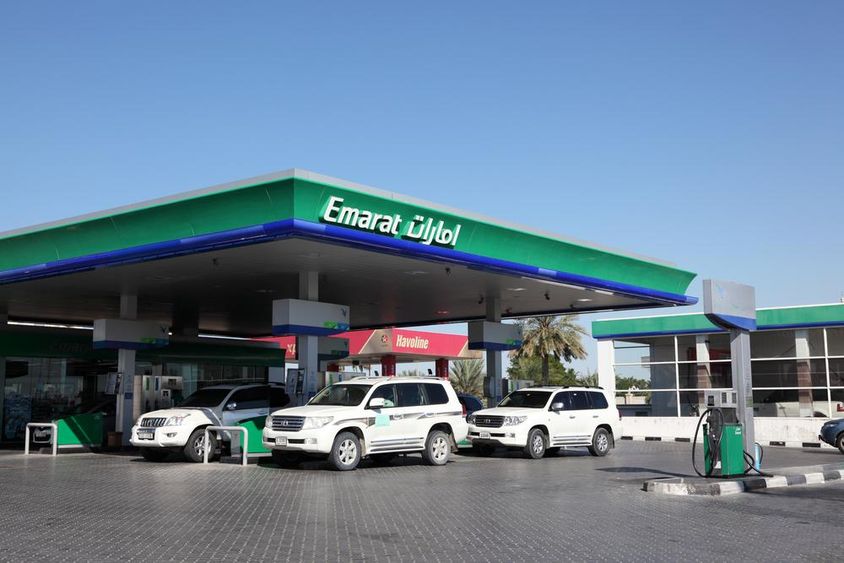
Fuel Prices May Drop in the UAE in July
For residents of the United Arab Emirates, fuel prices are not just a monthly statistic but a factor that directly affects daily commuting, family budgets, business operations, deliveries, tourism, and service pricing. Ahead of July, there is notably increased attention to the expected fuel prices, given the significant turnaround in the international oil market. Following months of rise, expectations are growing that fuel prices could visibly decrease in July in the country.
In the past four months, a continuous rise in prices was observed, mainly due to the tensions in the Middle East, the war situation, and uncertainties around the closure of the Strait of Hormuz. These factors heavily influenced expectations about global energy supplies, and the market quickly factored in a significant risk premium to oil prices. This consequently reflected in the retail fuel prices in the UAE.
The current situation, however, presents a different picture. International oil prices dropped significantly in June, with Brent’s price decreasing by more than $20 per barrel compared to the beginning of the month. This is important because, in the UAE, monthly fuel prices are closely linked to international oil market movements. If oil prices remain consistently lower, this trend usually appears at gas stations sooner or later.
June's prices still reflected the previous rising environment. Super 98 was 3.95 dirhams per liter, Special 95 was 3.83 dirhams per liter, and E-Plus 91 was 3.76 dirhams per liter. These represented about an eight percent increase compared to previous months, a noticeable difference for many drivers. Those commuting over longer distances daily—between Abu Dhabi, Dubai, Sharjah, or other emirates—quickly saw such increases reflected in their monthly expenditures.
Current expectations suggest a turnaround in July. The main reason is that the Brent oil price dropped from around $95 in early June to below $74. This is a significant change in such a short time, particularly considering that the average closing price in May was around $106. However, in June, the average level settled at about $71, representing a considerably more favorable pricing environment.
The background to this is not simply reduced demand or the sudden disappearance of all uncertainties. Rather, market focus has shifted. Traders and investors previously focused on supply disruptions, output drop-offs, and the risk of a Strait of Hormuz closure. Now, attention is turning more towards the possibility of previously delayed oil shipments returning to the market. This expectation has driven prices down.
The significance of the Strait of Hormuz in this story is critical. It's one of the world’s most important energy corridors, through which vast amounts of oil and gas pass to international markets. When shipping becomes uncertain, the market immediately reacts nervously, as any disruption can impact supply. Conversely, when shipping begins to normalize, and shipments restart, prices can quickly correct.
According to market analyses, this is precisely what is happening now. Transportation flows are gradually improving, with an increasing number of tankers waiting, already filled with oil, which previously couldn't leave the Gulf region. Additionally, more ships are waiting to be loaded. This means that shortly, a larger amount of oil might reappear on the international market. When supply increases this way while buyers become more cautious, it typically results in price decreases.
This situation could be favorable for UAE residents. If fuel prices indeed decrease in July, it could provide relief for drivers, families, and businesses. Those traveling by larger vehicles, daily commuters, delivery companies, and service providers could all feel the change. Many in the country rely on personal cars, especially those not living directly near metro lines or public transport hubs. While in Dubai, the metro and public transport are good alternatives for many, cars remain a fundamental mode of transport.
A fuel price drop during the summer can be particularly crucial. In the UAE, summer already places greater strain on cars, as the continuous use of air conditioning increases consumption. High temperatures, longer trips, family activities, and movement during summer breaks can all contribute to making fuel costs more sensitive. Thus, a per-liter reduction is not merely theoretical news but tangible savings for many.
However, it’s important to see that the July price drop is not yet an official fact but a strong market expectation. In the UAE, fuel prices are determined monthly, and final prices are announced at the end of the month. Based on international trends, a price decrease would indeed be logical, but the final decision can be influenced by several factors. These could include price movements observed in the last days, geopolitical developments, and the market's perception of the current relief’s sustainability.
Recent months have shown that energy prices can change extremely rapidly. A sudden political or military development, another logistical disruption, or even an unexpected demand shift can increase prices again in a short time. Thus, while there’s a strong chance for a July decrease, any prediction should still be handled cautiously for the longer term.
The global oil market is currently in a kind of reordering phase. After previous panic and supply fears, traders are now observing how quickly oil from the region returns to the international market. Some estimates suggest that exports could already reach a large part of pre-crisis normal levels. This means the market could shift from a shortage to a surplus soon. If this process continues, it could exert further pressure on prices.
For drivers, the most crucial question is how much of this international price drop will appear at local stations. After June’s prices, many expect at least partial correction in July. A significant decrease wouldn’t just psychologically benefit, but it would actually reduce monthly transport burdens. This is especially true for those who drive a lot between Dubai and other emirates or make extensive daily drives for work.
From the perspective of businesses, the turnaround could also be important. In logistics, courier services, construction deliveries, maintenance companies, and mobile service providers, fuel is a significant item. If petrol and diesel prices drop, operating costs could improve, even if this is not immediately visible in prices. For consumers, the relief following months of continuous price hikes is favorable news in itself.
Overall, there is strong optimism surrounding the UAE’s July fuel prices. Significant falls in Brent oil, improved shipping through the Strait of Hormuz, accumulated shipments reaching the market, and easing geopolitical tensions all suggest that the four-month price rise streak could end. The final figures are yet to be seen, but based on the current market picture, drivers have a good chance of encountering lower prices in July.
The next month will thus not be just another summer month for many, but a test of how quickly and significantly global oil market relief reaches daily life. In the UAE, where energy prices are closely linked to economic sentiment and consumer expenditures, a July fuel price drop could be timely relief.
Source: Khaleej Times
If you find any errors on this page, please let us know via email.


