UAE Announces Major Visa Policy Changes
Important Visa Changes in the UAE in 2026
In 2026, the United Arab Emirates introduced several changes to visa regulations and entry conditions that directly affect tourists, real estate investors, business travelers, foreign patients, and those planning longer stays in the country. These changes aim to simplify processes in certain areas, while in other cases, eligibility criteria have become more precise. This is especially important for those planning a trip to Dubai or another emirate within the UAE, as the details of visa regulations can determine who can enter the country, under what conditions, and for how long.
Several newly introduced or updated rules aim to expedite processing. For instance, the Dubai tourist visa can be approved within 48 hours, offering a significant relief for those planning trips on short notice compared to previous longer wait times. Other changes focus on expanding eligibility, such as extending the on-arrival visa option to nationals from more countries. Meanwhile, rules for property-based residency permits have also changed, particularly for those seeking long-term opportunities in Dubai's real estate market.
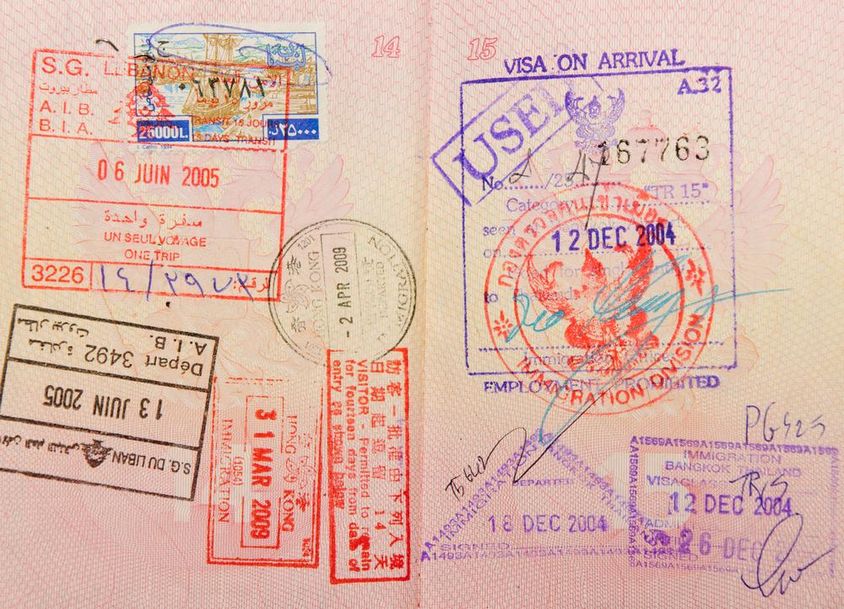
One of the most significant updates involves broadening the scope of on-arrival visa eligibility. The Federal Authority for Identity and Citizenship, Customs, and Port Security has expanded the group eligible for visas upon arrival in the UAE. Previously, this option was mainly available to certain Indian citizens, but in 2026, eligibility was extended to nationals from Indonesia, Vietnam, Thailand, the Philippines, Kenya, and South Africa.
This change is noteworthy because obtaining a visa on arrival can simplify entry into the UAE for many travelers. The regulation applies to both 14-day and 60-day visa categories, impacting not just short visits but also longer tourist or business stays. However, eligibility depends not only on nationality but also on whether the traveler holds valid residency permits from certain other countries.
The list of qualifying residency countries has also expanded. Previously, valid residency in the United States, United Kingdom, and European Union member states was included. The updated rules now add Singapore, Japan, South Korea, Australia, New Zealand, and Canada to this list. This means travelers holding valid residency permits in these countries may be granted more favorable entry terms, provided they meet other conditions.
In Dubai, special attention has been given to the expedited processing of tourist visas. Under the new regulations, single-entry tourist visas can be approved within 48 hours. This is crucial for those wanting to organize quick trips, whether for business meetings, family visits, events, or short stays. The tourist visas are available with 30-day or 60-day validity and can be obtained through official tourism offices and Dubai’s immigration authority systems.
The 48-hour processing time is not just a convenience issue but also vital for competitiveness. Dubai has long aimed to become one of the world’s most accessible tourism and business hubs. Rapid visa approvals support this goal by reducing administrative uncertainty for travelers. A short city visit, a vacation, or even attending a conference can be significantly facilitated if visa processing doesn’t drag out for days or weeks.
For real estate investors, one of the most crucial amendments involves updating the criteria for the two-year property-related residency visa. Dubai authorities have changed the rules by which property owners qualify for residency permits. Previously, a minimum property value of 750,000 dirhams was a condition for individual investors. The new rule abolishes this minimum value threshold for individual owners, but it remains important that the applicant is the sole owner of the property.
While this may initially appear to ease conditions, the specifics require continued attention to ownership structure. If a property has multiple owners, each investor must possess ownership worth at least 400,000 dirhams to qualify for a residency visa. This applies even if the property's ownership is evenly distributed among the owners, meaning in joint purchases, the total property's higher value isn’t enough as the value of each ownership share is individually assessed.
This change may make the application process more transparent but also demands greater caution before the purchase. Those buying property in Dubai for residency visa purposes should clarify before the transaction whether the ownership proportion meets visa requirements. This is particularly important for spouses, family members, or business partners acquiring property together, to examine all legal and visa consequences in advance.
Among the 2026 changes is an interim waiver of overstay fines. The relevant authority announced a 30-day grace period for visitors who were previously exempted from overstay fines due to regional airspace closures and flight disruptions. With these extraordinary circumstances now resolved, affected individuals must regularize their visa status or leave the country by the given deadline, July 9, 2026.
This grace period illustrates how UAE authorities handle visa matters flexibly in certain extraordinary situations, though the waiver is not unlimited. Anyone in this scenario shouldn’t wait until the last minute. Regularization of visa status, extension, or exiting the country is bound to a specific deadline, and missing it could lead to fines or later entry difficulties.
Dubai’s healthcare tourism is affected by the planned smart medical visa. Dubai is developing a system that integrates visa procedures, residency services, and healthcare for those traveling to the emirate for medical treatment. The new agreement aims to simplify the journey for foreign patients from entry to treatment and aftercare.
This could be particularly important for those traveling to Dubai for specialized medical examinations, surgeries, rehabilitation, or prolonged treatment processes. A healthcare-purpose trip involves not just standalone visa administration but as part of a larger process. The patient might need accommodation, treatment scheduling, potentially an accompanying person, insurance, and follow-up care. The aim of the smart medical visa is to integrate these steps so they aren’t separate, hard-to-coordinate processes.
The sixth significant change involves suspending visa issuance for citizens from countries affected by the Ebola virus. UAE authorities announced in June 2026 that the issuance of new visas would be temporarily suspended for citizens of the Democratic Republic of Congo, Uganda, and South Sudan. This measure was justified by efforts to mitigate epidemiological risks and strengthen national preparedness.
The suspension took effect on June 6, 2026, and may be extended depending on the situation’s development. This means that citizens from the affected countries need to follow official announcements closely as regulations may change based on the epidemiological situation. Such measures are not tourism or economic decisions but public health precautions aimed at early risk management.
Overall, the 2026 visa changes demonstrate that the UAE seeks to institute an entry system that is at once more open, faster, and more regulated. Entry has become easier for some travelers, the visa process faster for others, and the residency permit conditions clearer for real estate investors. Dubai especially emphasizes remaining competitive in tourism, healthcare services, and real estate investments.
Travelers to Dubai or other parts of the UAE in 2026 should ensure during the planning stages which visa category applies to them. It’s not enough to generally know whether a visa is needed or not, as nationality, residency permit, travel purpose, property type, or even health status can influence eligibility. The key message from the 2026 rule changes is that opportunities have broadened, but without a precise understanding of the details, travelers might face unpleasant surprises.
Dubai continues to rapidly adapt to international travel, health, and investment processes. The updates to the visa system indicate that the emirate aims to not only attract more visitors and investors but also offer organized, digitized, and predictable processes. This could mean faster entry for tourists, clearer conditions for investors, and integrated services for patients. However, due to these changes, all involved should stay up-to-date with official regulations as visa rules might change quickly even in 2026.
If you find any errors on this page, please let us know via email.


