UAE Alters Friday Prayer Times for 2026
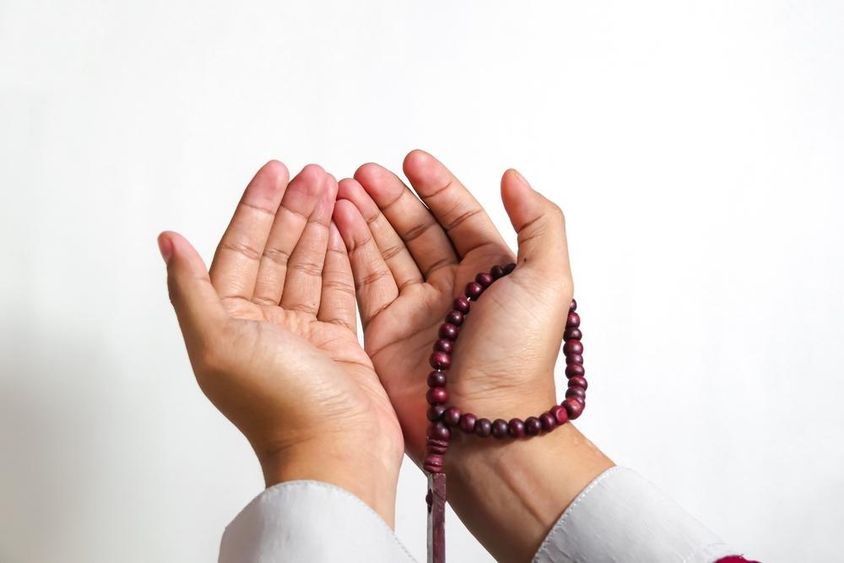
Friday Prayer Time Change in UAE from 2026
The United Arab Emirates is set to introduce a significant change to the timing of Friday community prayers starting January 2026. According to the decision, Friday sermons and prayers will begin at 12:45 PM instead of the usual 1:15 PM in all mosques across the country. This modification was announced by the UAE General Authority of Islamic Affairs, Asset Management, and Zakat, and believers are urged to adapt to the new schedule and arrive on time for prayers.
Why is the timing changing?
The 2026 adjustment has its roots back in 2022 when UAE restructured its official workweek. The transition from a Friday-Saturday weekend to a Saturday-Sunday weekend aligned better with global financial and business practices. At that time, Friday prayer was uniformly set at 1:15 PM to allow public sector employees to comfortably attend prayers after their half-day work shift.
This approach facilitated the transition; however, authorities believe it is time for another fine-tuning. The new timing aims to better align prayer schedules with religious requirements, allowing believers to perform one of their most important weekly religious obligations with greater devotion and punctuality.
What should believers pay attention to?
The new timing will take effect from January 2, 2026, following a longer transitional period rather than an immediate change. Authorities have placed warning messages on their online platforms, including the Friday sermon archive page, to ensure all believers are aware of the change.
The key message to followers is that the Friday prayer is only considered complete if performed at the designated time. Adapting to the 12:45 schedule is not just a logistical issue but also holds religious significance.
Previous Measures on Friday Prayers
This is not the first instance that UAE authorities have implemented changes in Friday prayer schedules. For example, in the summer of 2023, due to extremely high temperatures, imams were asked to keep Friday sermons and prayers within 10 minutes. The goal was to protect the health of those praying in outdoor or less climate-controlled mosques during the summer heat. This measure was positively received, highlighting the flexibility of prayer schedules to adapt to local conditions without compromising religious content.
Workweek Change and Religious Practices
The restructuring of the workweek in 2022 was one of the most significant milestones in the UAE's economic and social structure. Introducing the Saturday-Sunday weekend was not only a logical step for international trade but also allowed people to manage their time more harmoniously. Public employees only work half days on Fridays, but several companies also permitted remote work on this day or allowed workers to take Friday afternoons off, to be made up on other days.
This flexibility helped ensure that religious obligations and workplace expectations did not clash. Advancing the time to 12:45 further supports this intention, as it allows a clearer separation between prayer and work.
Why is Friday special in Islam?
For Muslim believers, Friday is an especially important day: it is the holiest day of the week, "Jumuah," which includes a special community prayer occasion. It is not just a spiritual practice but a community event where believers listen to the imam's sermon together and pray together. Friday prayer is not just prayer - it is also a crucial moment for reinforcing moral and social values.
Observing the precise timing is particularly important as the Friday prayer cannot be substituted on other days of the week. This is why authorities now repeatedly request everyone to prepare for the change in advance.
Expected Effects and Reception
While advancing the time by 30 minutes may seem like a minor adjustment, it can bring significant logistical and scheduling changes in daily lives for workers and families. Believers will need to start heading to mosques earlier, and employers will need to rethink Friday work schedules, especially in sectors where operations or customer service continue on Fridays.
The forward-thinking communication and more than a year of preparation time demonstrate that the UAE aims for gradual, culturally sensitive change rather than drastic transformation. Both believers and employers will have time to adapt to the change, ensuring that the balance between religious freedom and economic stability remains maintained.
Conclusion
The UAE's decision to change the start time of Friday prayers from 1:15 PM to 12:45 PM starting January 2, 2026, reflects the country's continuous effort to adapt to modern life challenges while adhering to religious traditions. The change is significant in religious, organizational, and community terms and is another example of how the country can handle social dynamics flexibly and foresightedly without compromising any area. Adapting to the new timing is not just a duty but an opportunity to strengthen the community.
(The article's source is based on the announcement of the UAE General Authority of Islamic Affairs, Asset Management, and Zakat.)
If you find any errors on this page, please let us know via email.


